Paramount Skydance is planning to add a heavy dose of short-form video to its flagship streaming service, according to internal presentations and emails viewed by Business Insider. Dan Reich, the head of global product and design for Paramount+, emailed fellow executives in mid-January, asking to set up a meeting with Paramount product chief Dane Glasgow to discuss "Short Form Clips." "We are trying to figure out how to jump-start efforts to get a million clips into our Short Form UX as quickly as possible," Reich wrote in an email.
This surge was likely triggered by concerns over TikTok's change in ownership and its unfortunately timed technical glitches. TikTok had announced on January 22 the establishment of the TikTok USDS Joint Venture LLC, designed to comply with Trump's executive order requiring the company's U.S. operations be sold to a group of American investors. TikTok's Chinese parent ByteDance will now own less than 20% of the new entity.
A study conducted by Opera Mediaworks has revealed that shorter mobile video creative - at six to eight seconds - is the optimal length for branding campaigns, delivering on average 36 per cent higher engagement levels than long form, and providing the best return on driving traffic. The study found that overall, video is a more effective ad format for mobile. Regardless of length, video on mobile drives click-through rates double to that of online video, according to eMarketer.
A group of Gen Zers 200 deep, snaked down Houston Street in hopes of shopping at a pop-up for Rogue, a Y2K-focused vintage retailer operated by the TikTok star. Inside, they browsed racks of vintage picks and vinyl records, but it was the charismatic, acid-green-haired Rogue, who was arguably the biggest draw. She posed for selfies with fans, as she does at all her stores, which are styled like deliberately dishevelled millennial bedrooms, complete with early-2000s ephemera like Britney Spears posters.
After testing the interest of sports fans in short-form content, Disney aims to bring brief bursts to a broader audience. The company aims to bring so-called "microcontent" to Disney+ in 2026, it announced Wednesday at CES, and in doing so joins a parade of traditional media purveyors working harder to court younger consumers who have grown more accustomed to swiping through Tik Toks, Reels and other attenuated attempts to entertain.
O'Leary's modern money-making idea is to "sell customer acquisition with social media." In essence, he said he would create video content for a business and ask for $100 for every paying customer he earned them. "You'd be amazed at how many business owners have no idea how to use social media, and if you've grown up with a phone in your hand, you do," he said. "It's the best side hustle there is: understanding how to make content for social media."
YouTube cofounder Steve Chen is one of the latest tech trailblazers to warn against social media's impact on kids. Chen warned in a talk short-form video "equates to shorter attention spans" and said he wouldn't want his own kids to exclusively consume this type of content. Companies that distribute short-form video (which includes the company he cofounded, YouTube) should add safeguards for younger users, he added.
Marketing budgets in 2025 have stayed the same, yet expectations keep rising. CMOs report budgets stuck at roughly 7.7% of company revenue, which means teams are expected to do more with the same dollars. In that context, the most practical use of AI is not a moonshot, but a set of clear fixes to everyday bottlenecks that slow teams down and drive costs up.
We're flooded with short-form video and pinged constantly with breaking news. Many people, especially Gen A and Gen Z, are swiping and scrolling all day long. The lines between digital leisure and news consumption are fuzzy. You may hop on TikTok or Instagram to kill some time but end up being triggered by some take on what's happening in the world. And increasingly, that scrolling will include AI-generated slop.
In an age where digital noise is overwhelming and attention spans are increasingly fragmented, one medium is rising above the rest: video. Whether it's a 10-second TikTok clip, a concise product demo or an immersive virtual tour, video content is a great way to engage viewers, communicate value and drive growth. For organizations operating in hybrid or remote environments-including higher-education institutions, nonprofits and mission-driven businesses-video is no longer optional. I believe it has become a strategic imperative.
The biggest mistake people make with AI is that they don't make it a priority up front to get to know each other really well. When your preferred AI tool (choose only one as your primary) really gets you, you'll get more on-brand responses to your prompts. Make sure it knows your: Values, passions, purpose, strengths, and differentiators Pet peeves, the things you really dislike Best work. Share your stellar articles, blogs, and emails with AI The ways you want it to support your work
Short-form videos at varying lengths have been popularized across a variety of digital surfaces over the past few years. The shortest of these videos, hovering in the 15-second range, present a particularly compelling option for law firm marketing funnels because they have the potential to grab potential customers' attention quickly and convey an impression of value founded in legal acumen within a comparably short period of time.
Dler sensed an opportunity: what if you could use short-form video to connect with that same demographic while delivering valuable cultural insight in a way that didn't feel overly commercial or contrived? If that idea doesn't sound revolutionary by itself, Dler's masterstroke was to ensure the content would be produced by the very people whose attitudes, behaviours and tastes it represents.
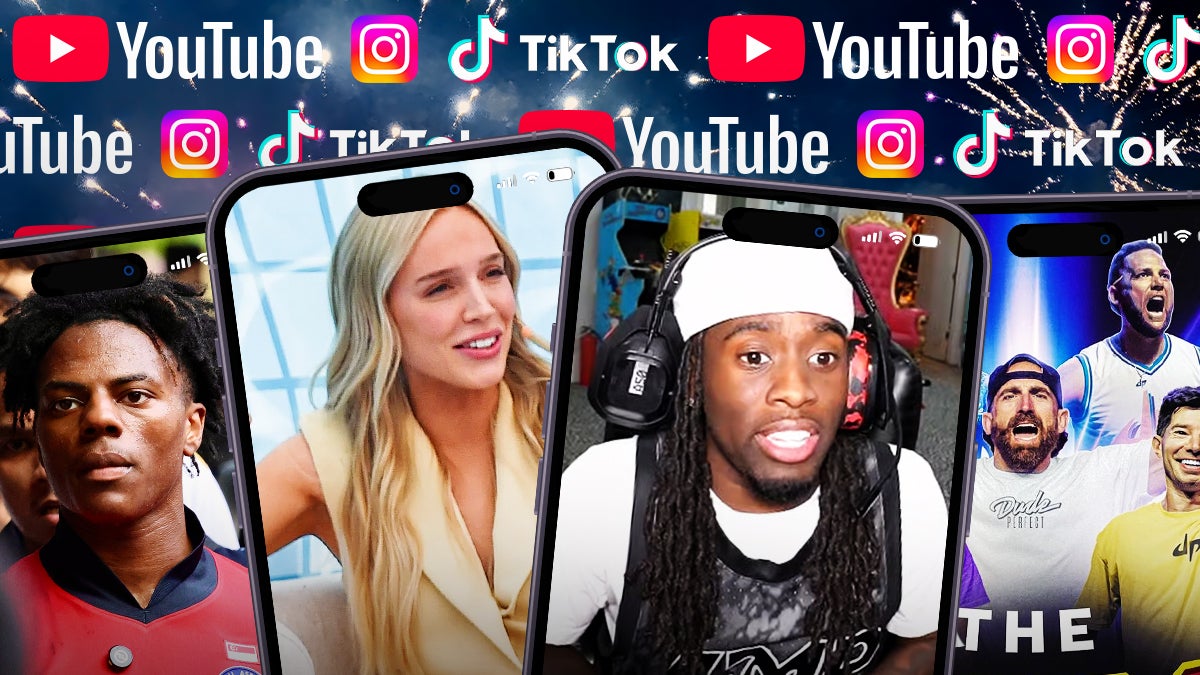
Short videos are in high demand. Across large platforms like Instagram, Facebook, YouTube, and TikTok, users are watching billions of videos every day, with companies benefitting massively from this content explosion. For creators, this often means there is pressure to create more content than ever before to be relevant and make a living out of it, especially as more AI-generated slop is infiltrating these platforms.
"There's this bullshit that we're seeing from Meta and OpenAI and others where they decided that somehow we're better off with all AI-created social media content," Rabble said in an interview with Business Insider. "That's not where social media came from. Social media was social first. It's about humans and our connection, not just pretty videos."
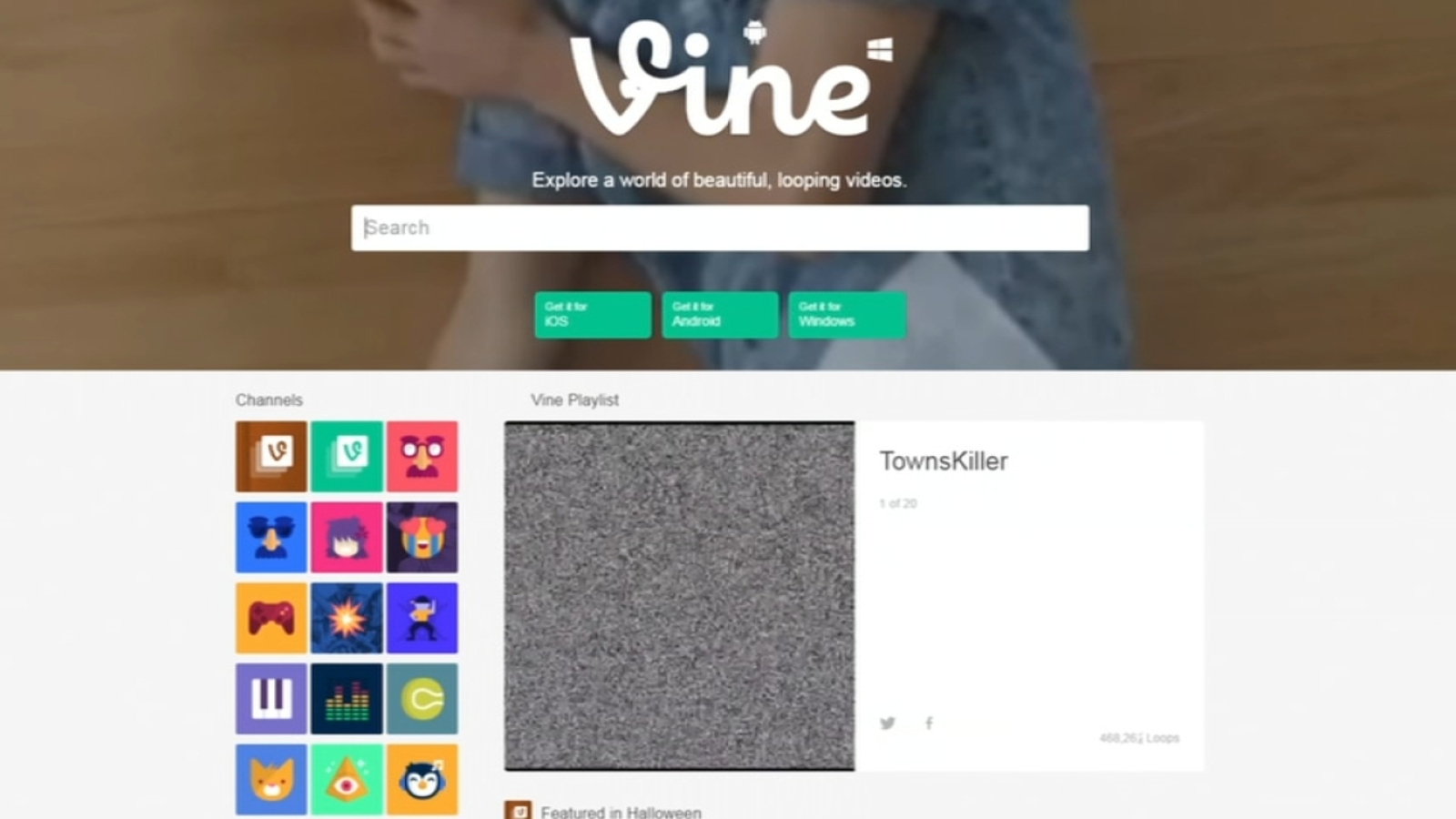
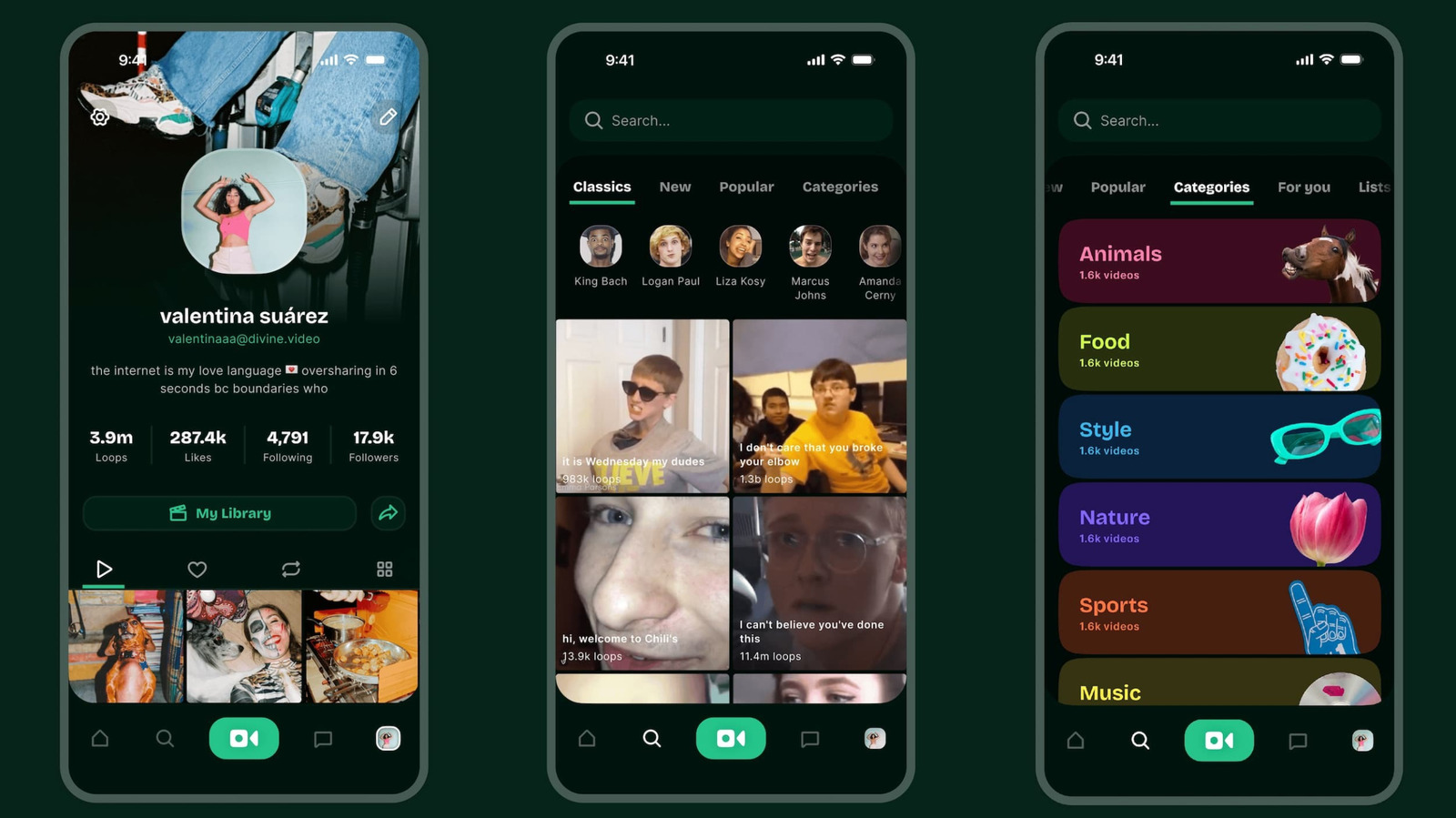
As TechCrunch reports, the rebooted platform, dubbed diVine, will include over 100,000 archived videos from the platform, likely only a small fraction of the platform's original database. Vine had over 200 million active monthly users in its heyday ten years ago, but was shut down in 2016. But the reboot has a hidden ace up its sleeve: AI-generated content is banned outright, and any suspected use of AI will be flagged and prevented from being posted - a panacea for an internet that's been overrun with lazy AI slop.
The founders said Klipster is intended to replace the multiple tools agents and buyers typically use during the home-search process and characterized it as bringing the TikTok effect to real estate. Consumers can buy everything from sneakers to sofas in seconds on TikTok Shop and Instagram, so why should real estate feel stuck in the past? Dine said. Klipster takes that shift to the next level, giving agents and buyers a seamless way to tour, chat and apply in real time.
Streaming services are like candy stores for your eyeballs. One minute you're deep into a superhero saga, and the next you're watching a true-crime doc about someone stealing zoo animals. Platforms like Netflix, Disney+, and YouTube keep audiences glued by mixing everything: action, romance, horror, and even weird cooking shows where people bake cakes shaped like trainers. It's that constant switch-up that makes it fun. Variety keeps people curious, and curiosity keeps people watching. Who can resist the 'Next Episode' button, anyway? It's practically hypnotic.