Mindfulness
fromScooter in the Sticks
19 hours agoWhen Riding Alone Isn't Enough - Scooter in the Sticks
Balancing solitude with connection makes rides and life richer, and accepting reality brings more peace than fighting it.
On the first hike, about half-way up the mountain, I reached a point where the path was too slippery, steep and scary. Even though my wonderful guide talked me through the tough parts, I finally realized I'd have to do the same thing going back downhill. So, I stopped. I sat on a moss covered rock. I enjoyed the forest flowers and tree bark and birds and ferns and more.
My college girlfriend and I (both women) were together for four years, through a pandemic, graduation, and almost a year of post-graduation long distance. It was a very good relationship; we basically never fought, treated each other very well, genuinely liked each other, etc. She broke up with me a few months ago after realizing she wanted kids-I definitely do not.
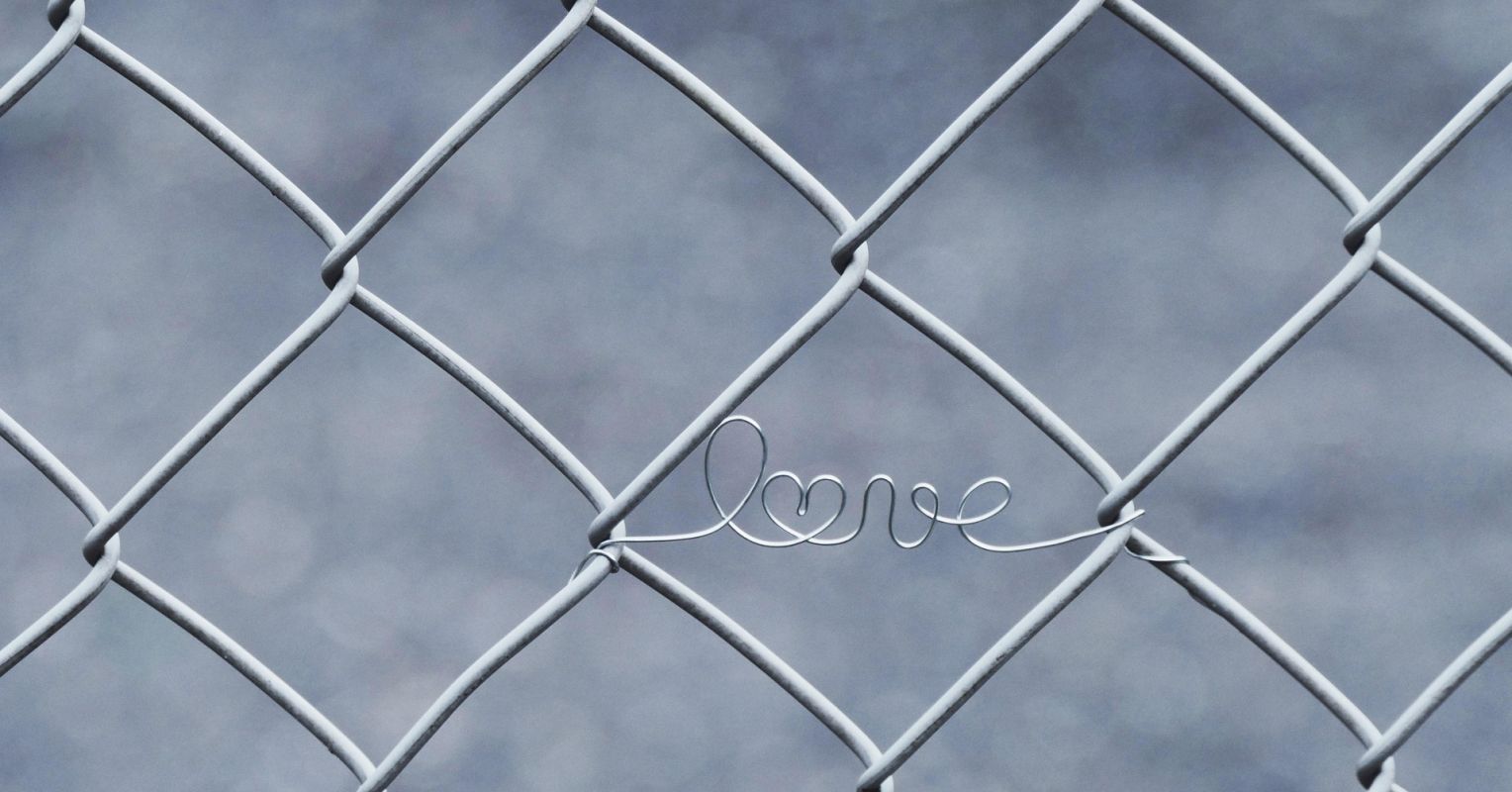
True love is not transactional. If we only love on the expectation of being loved back, then it is not love, it is bartering. Love is unconditional. I love you, and that is all and everything. You do not need to do anything. You do not need to reciprocate. You do not even need to know.
Try hard enough, we are often told, and eventually you'll get what you want. But sometimes the hardest - and bravest - thing to do, is to stop trying. After years of hoping to start a family, including the painful rollercoaster of fertility treatment and a devastating miscarriage on Christmas day, Caroline Stafford, found the only way to find some kind of peace again was to accept it was not going to happen and to build a different future.
For as long as I can remember, I've been the kind of person who plans everything. My calendar was color-coded, my to-do lists perfectly alphabetized, and I could tell you what I'd be doing six months from now almost down to the hour. I thought control meant safety. If I could organize my world tightly enough, maybe nothing bad would happen.
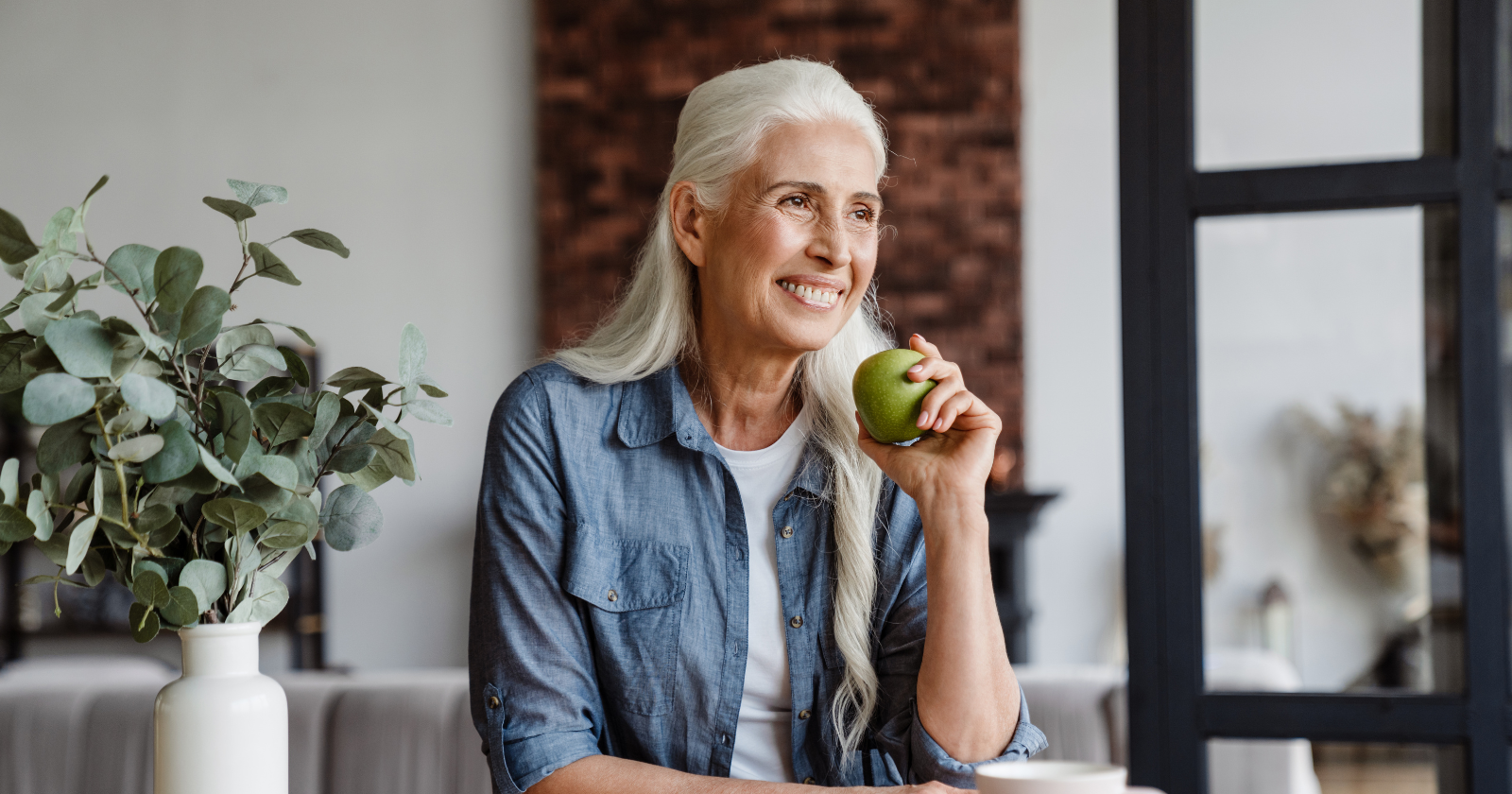
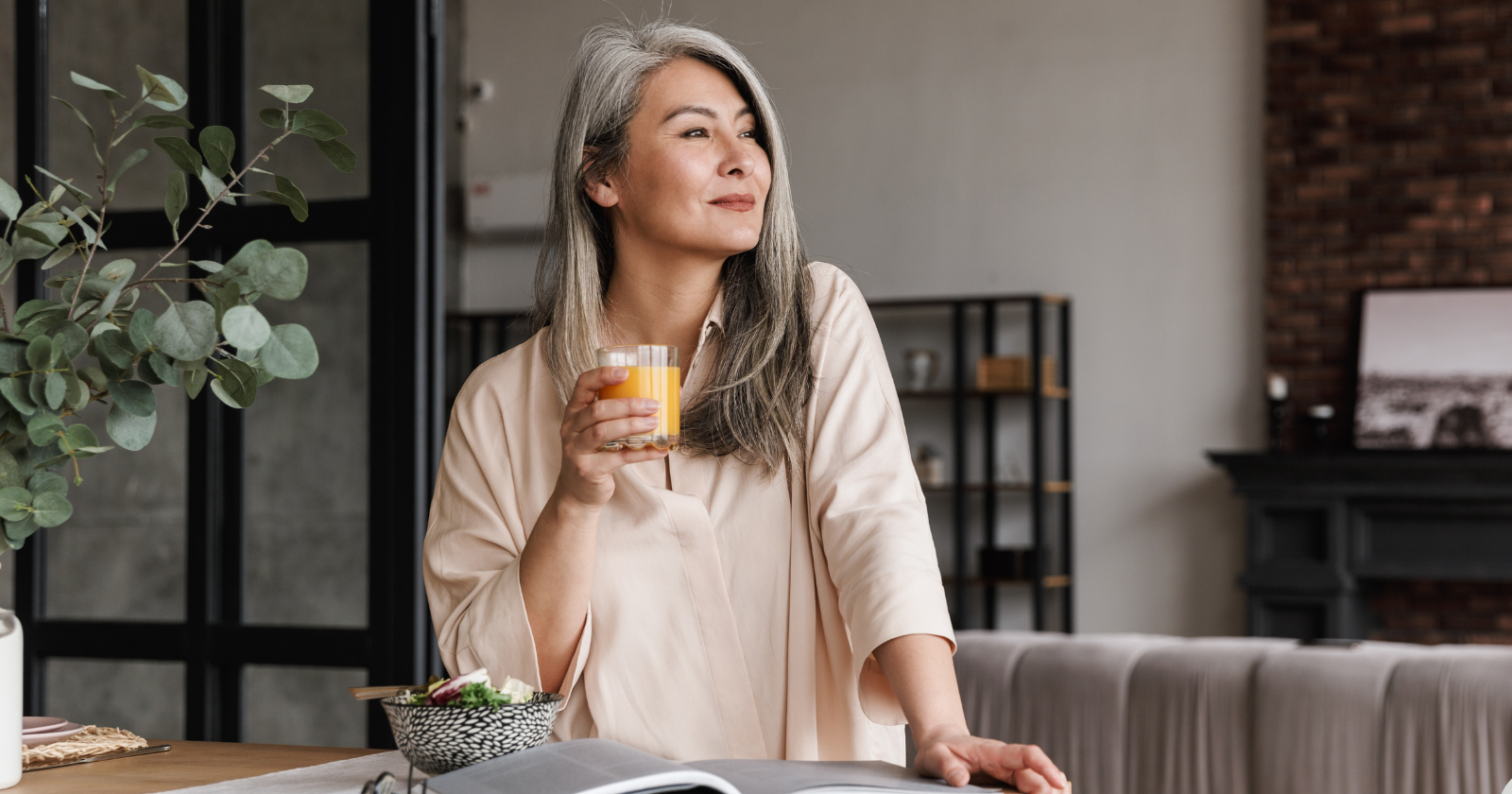
Lately, I've noticed many silver-haired couples walking hand-in-hand down sidewalks, along boardwalks, and following trails. Most seem to have a lilt in their steps and sparkly eyes, almost like they're in love. I hope they are. I am. After three plus decades of marriage and five years of post- divorce online dating, I, too, feel a lightness and sparkle. It's seeped into my being over the past five years, and I'm more than a little goo-goo.
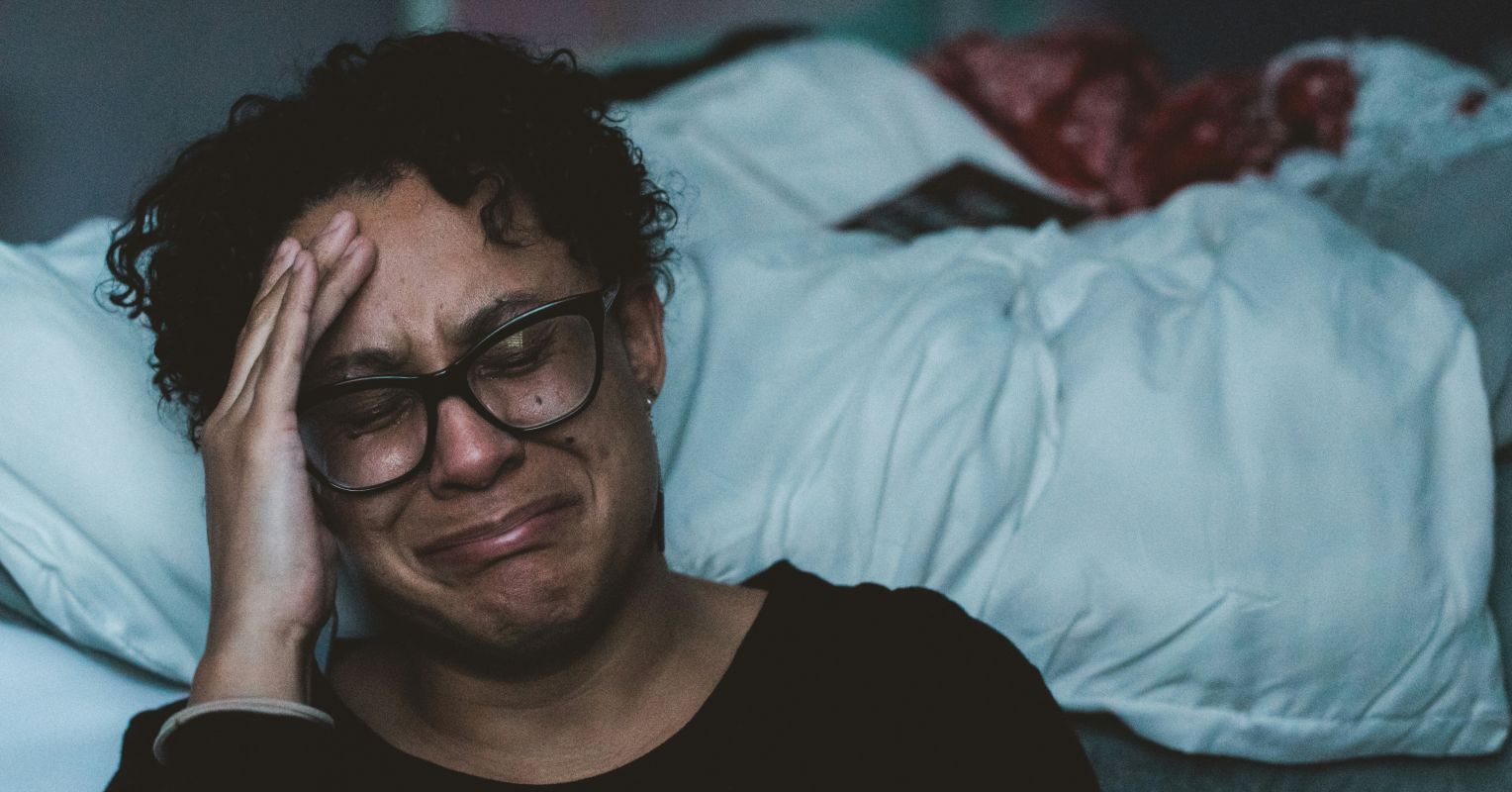
Shadowloss describes the grief we carry in our day-to-day lives that we often don't share with others. It reminds us that the physical death of a loved one is not the only kind of loss. We may experience grief when we lose a job, a relationship, or a way of life; when we experience a health challenge; or when we must give up on a dream.
A big one for me is the ability to let others be wrong. It's not up to any of us to tutor others in the ways of righteousness. That doesn't mean never challenging anyone, but rather not getting emotionally invested in changing their mind. This is especially relevant in our political climate, but also it's important for one's own peace.
The sequel, directed by Jared Bush and Byron Howard, again features positive lessons about acceptance and plenty of jokes. Critics are giving two paws up to the film's messaging - even in the face of Disney's rollbacks to DEI policies in a Trump-dominated culture - but are also divided by the interspecies chemistry between the two leads.
When the idea of someone has taken up free residence in your head, it's time to start charging rent. What does that mean in practice? Make the idea of her/your first marriage earn its place. Right now, it's living rent-free because it's asking you questions you seemingly can't answer what could have happened, what went wrong, what if, why, et cetera. You can start asking the idea of her questions back. Why are you here? What do you have to teach me?
Recently someone offered me a couple of books on the spiritual healing arts from a respected author—for free. It was the kind of offer I once would have responded positively to, taken them gratefully, and brought them home to sit on my "to be read" shelf. Maybe I would have tried to read them, maybe I would have even completed them. Instead, what I heard myself saying, with unusual frankness, was, "No thanks. I'm sick of self-improvement."
Sprawling out in Savasana can feel as close to perfect as you can get. As a result, you might attempt to curate a perfect experience. Maybe you arrange your arms and legs so they're *precisely* equidistant from your body or cover yourself with a blanket, pull it taut, and smoothen it of any wrinkles-and only then can you allow yourself to relax. But sometimes, it's these moments of striving for perfection that make us a little too "Princess and the Pea" about Savasana.
For years, I thought strength meant pushing through. Getting on with it. Holding it together no matter what. Not showing weakness. Not needing help. Not slowing down. Even when I was diagnosed with a chronic illness, I wore that mindset like armor. I was determined not to let it define me-let alone derail me. But eventually, it did. Not because I was weak. But because I was human. And that was the beginning of a different kind of strength.
Ben moves in with their estranged older sister and her husband after being thrown out of their parents' home for coming out as non-binary. As Ben navigates young adulthood, they find support from an eccentric art teacher and a kind-hearted student.