But many faculty view their profession as a vocation, so why would they retire? One reason is because of diminished effectiveness. Ossified approaches, diminished cognitive capacity and so on are the unhappy, but inevitable, results of aging. The person experiencing these declines is generally not the best at noticing them, as they creep in so slowly that they're most visible to outsiders or when accurately comparing to yourself from long ago.
My father was a Marine during WWII. He was a tough taskmaster in the home and always insisted we be awake and dressed by 8:30 a.m. on weekends, weekdays without school, and during the summer (unless we were legitimately sick). While a bit harsh at times, I've kept this habit as I've aged. It gets you up and moving, productive and prepared in case someone pops by or a service tech is expected. I schedule all my appointments as early as possible. The end of the day is another story. Bring on the soft pants and relaxation!
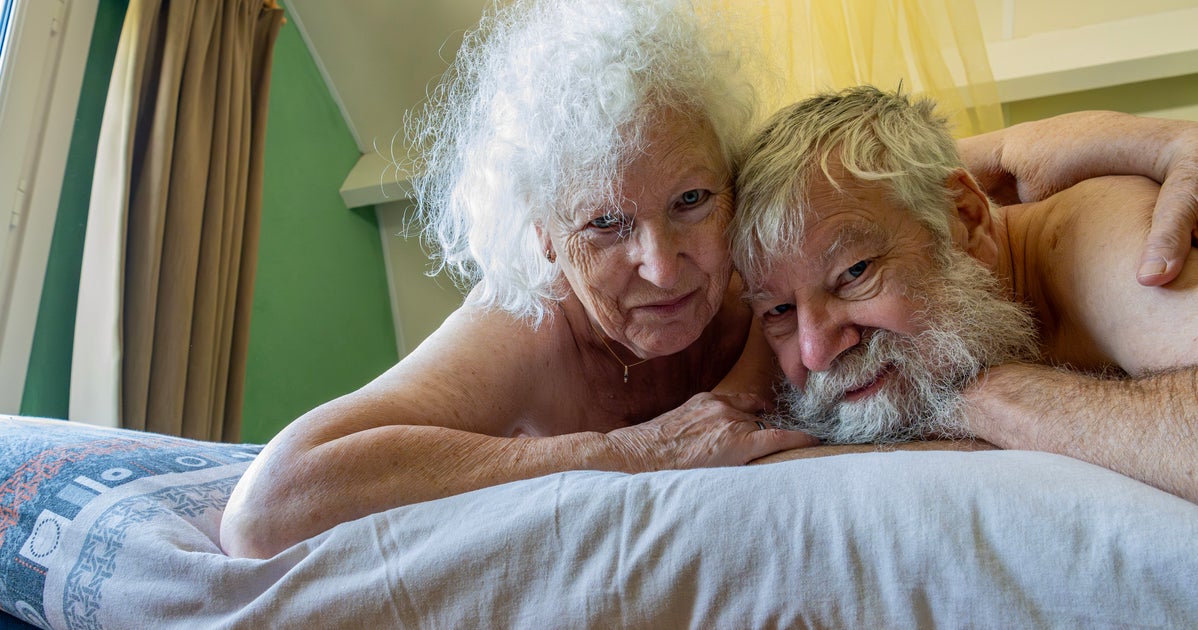
"We're so conditioned, women in our 40s, to think, OK, well, I'm creeping closer to the end. You know, you think you go into menopause and you're going to stop having sex, and your boobs are going to sag, and your skin's going to go crepey, and all these things," Winslet said. "But, first of all, so what? And secondly, it's just conditioning."
No one warns you about erotic grief. We hear about and live menopause, testosterone changes, cancer treatment, chronic illness, and the slow, steady realities of aging-but almost no one prepares us for this part: One day, desire may not be as effortless as it once was. It may not rise on command. It may go quiet, or slow down, or disappear for stretches. And that shift can break your heart a little.
"There is a saying about old age - 'Keep moving' - and what Clint Eastwood, 95, says: 'Don't let the old man in,'" he said. "The way to do that is to keep getting up in the morning, keep working out in the gym, keep taking your vitamins, keep taking your prescribed meds, and keep moving. Keep moving. That is the secret to it all."
I left after three years and went to work for an aerospace company back in New Jersey. I then had the opportunity to work with a manufacturer as a systems engineer, as well as with a smaller company as the vice president of a small division. At my final company, I served as vice president, and we had contracts with the Department of Defense.
Sleepaway camp wasn't exactly part of my childhood vocabulary. My parents didn't believe in paying money for me to rough it in the woods. Instead, summers meant Chinese school, then long afternoons upstairs in their restaurant, tinkering with the office equipment as they worked. My "campfire" was the blue glow of an Xerox bulb as I copied my face and various body parts into high-contrast collages.
Older adults are often mocked ("OK, Boomer!"), set off to the side, or treated as incompetent nuisances, at least in much public discourse. So, where did the expression come from? In earlier times, older adults were treated as the repository of knowledge, elders who could provide sage advice to the less polished members of younger generations. There is, then, a tradition of viewing older adults as valued and respected members of their communities.
Patricia Willson, 93, stares intently at her leg as her nurse unwraps layers of bandages, revealing a scar that, to Willson's elation, is nowhere near as gruesome as it had been months ago. Hunched over from a fractured back, Willson scrolls through her phone to remind her nurse what the scar had looked like. Last December, she sliced her leg open on a box. A few months later, the three-inch gash got infected.
As we get older, we must choose between different options in life again and again. Once we decide on one option, the others often disappear forever. If later in life someone is unhappy with the choices they made, it is common for them to start thinking 'What if?' thoughts. One important question is: Is 'What if?' thinking harmless, or does it make people feel unhappy about the choices they made and their lives in general?
At 78, his days of death-defying stunts might be over. Schwarzenegger told Business Insider that he has accumulated more than his share of aches and injuries over time, due to skiing accidents, long hours in the gym, and intense action films. "That's a lot of stress on a body and clearly the body was not meant to do all that," he said.