Health
fromwww.businessinsider.com
1 day ago4 healthy aging habits that a longevity doctor follows most days, including strength training
Preventive habits, especially prioritizing sleep, are crucial for optimizing health and longevity.
After a tough workout, your body enters a state of stress: muscle fibers are damaged, energy stores are depleted, and hydration levels drop. This is a critical moment. If your body gets the right nutrients, it starts rebuilding immediately. If not, recovery slows down, and so does progress.
Arnold Schwarzenegger's diet during competition required 1 gram of protein per pound of body weight, leading to a daily intake of 250 grams at 250 pounds, which is excessive for most individuals.
Don't put all your eggs in one basket when it comes to exercise - doing a variety of different physical activities every week is the key to boosting your health and living longer, a study suggests. After tracking the weekly exercise habits of 110,000 men and women in the US for 30 years, researchers found active people who did the greatest variety of exercise were 19% less likely to die during that time than those who focused on one activity. That effect was greater than for individual sports like walking, tennis, rowing and jogging. The total amount of exercise you do is still key, experts say, but doing a range of activities you enjoy can bring lots of benefits.
Start with the obvious question: how much protein are you actually getting per scoop? Most decent powders fall somewhere around the 20-25 gram range. That's enough to make a real dent in your daily intake, especially if you're trying to push past the 100-gram mark without eating chicken six times a day.
As you age, your body gets less efficient at repair and recovery, as your: Immune system gradually loses some of its resilience Digestion slows Chances of chronic conditions like heart disease, type 2 diabetes, and osteoporosis increase Retirement can also impact your health in complex ways. While stepping away from work often reduces stress, it may lead to less physical activity and fewer social interactions-both of which can raise your health risks.
January might be coming to a close, but the focus on wellness doesn't have to die with it. If anything, it's a good time to check in with those 2026 goals and see what you want to prioritise for the rest of the year. To that end, we've gathered some of the best deals we've seen in the past few weeks that will help you tick off every good intention you set this month.
So the word exercise, you know, comes from the Latin ejercicio. And it meant, you know, to train so we still do math exercises or soldiers do exercises to get fit. But eventually the term has changed it's meaning and it's developed new meetings. So one hand it means to do voluntary physical activity for the sake of health and fitness. That's the kind of sort of the sort of fitness, physical activity kind of exercise.
It got me thinking. While everyone's obsessing over the latest fitness trends and biohacking protocols, these folks have been consistently moving their bodies for decades. No fancy equipment, no Instagram-worthy routines, just simple habits they picked up long before movement became a multibillion-dollar industry. So I started asking around, digging into research, and talking to people who've stayed active well into their golden years. What I found wasn't revolutionary or complicated. It was refreshingly simple.
After 10 years of jogging, I officially ran out of steam. As much fun as I had finishing my first marathon in 2024, the training burned me out. In the months that followed, I had no desire to hit the track near my home, let alone sign up for another race. Plus, my go-to running buddies and I all moved, making running a more solitary and, frankly, boring activity. While I could join a new local run club, I resisted.
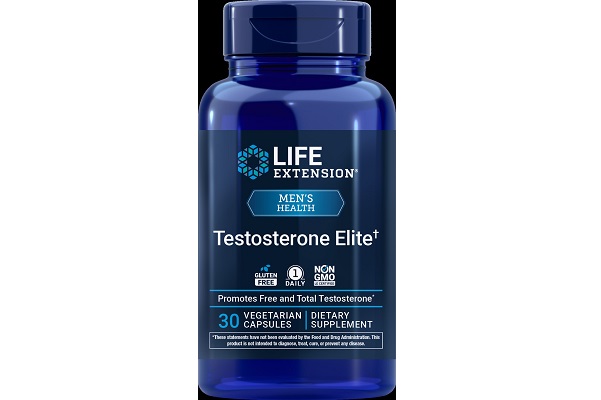
Even though you're working out hard, you're just not seeing loss of fat and increase in muscle. Based on his own research and experience, TRT can be almost as significant for middle-aged people as eating protein-rich whole foods or moving enough throughout the day, as testosterone starts declining for most people in their 30s, with more notable symptoms appearing around their 40s or 50s.