#weight-loss
#weight-loss
[ follow ]
#glp-1-drugs #glp-1 #obesity #nutrition #glp-1-medications #obesity-treatment #fda-approval #body-image #eli-lilly
#glp-1-drugs

Medicine
fromIndependent
1 month ago'If you are eating six smaller meals, you've doubled your sugar attacks. So you've got increased risk of tooth decay' - Measuring the effects of GLP-1s on Irish society
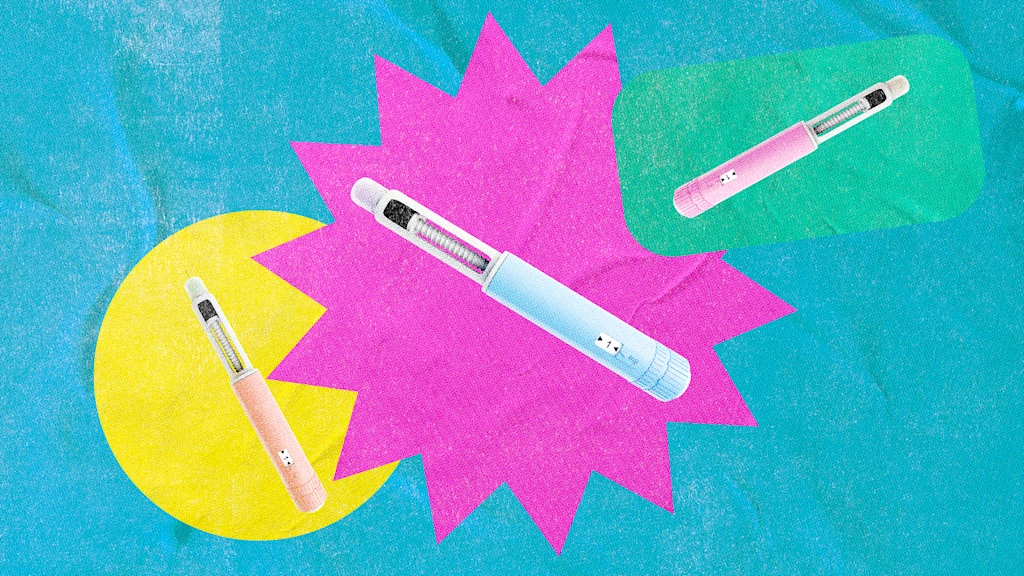
GLP-1 drugs improve obesity treatment but may contribute to body acceptance issues and societal stigma.
#glp-1-medications




Medicine
fromBuzzFeed
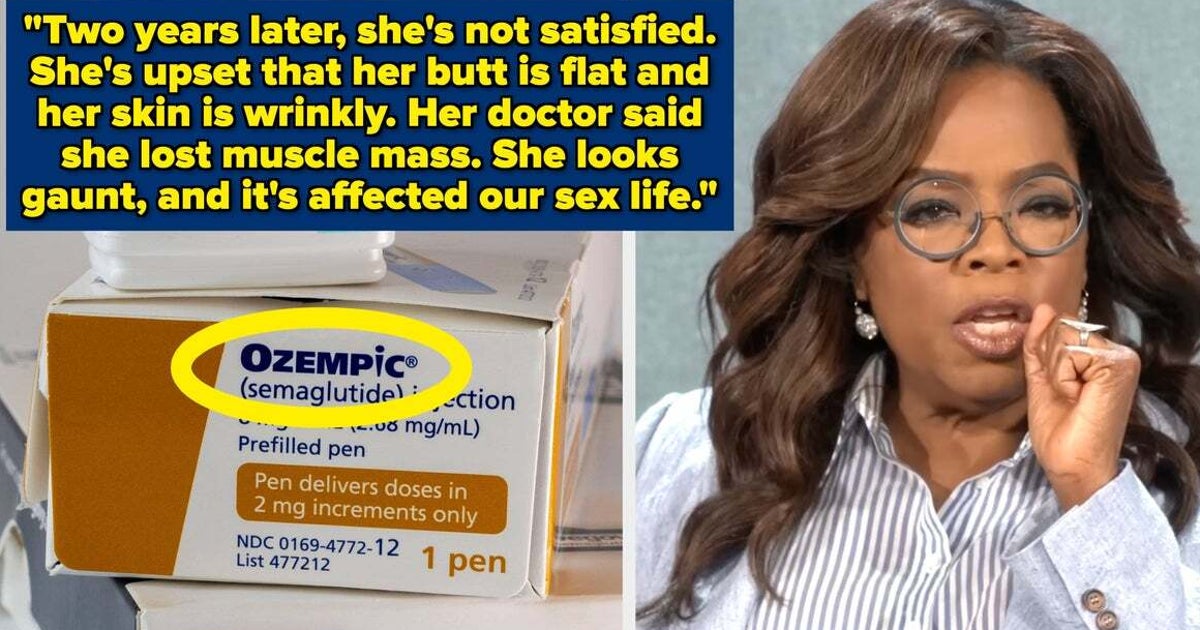
3 days agoPeople Are Sharing What They Wish They Knew Before Taking GLP-1s And It's Brutally Honest
GLP-1 medications can enable significant weight loss and improved health, but they also cause varied mental and physical side effects requiring ongoing medical support and lifestyle work.

Relationships
fromSlate Magazine
6 days agoMy Husband Decided to Make a Change That a Lot of People Are Doing These Days. Now He's Unrecognizable-And So Is Our Sex Life.
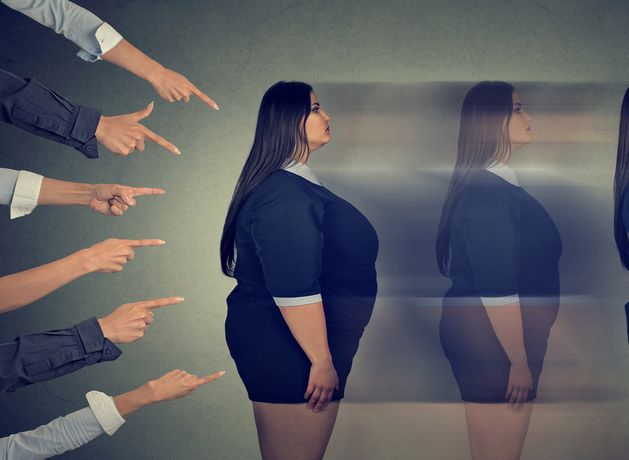
Sexual attraction can change after weight loss, and couples can respond by communicating, exploring shared fantasies, and adjusting intimacy to preserve desire.
fromNews Center
1 week agoTime-Restricted Eating Supports Weight Loss in Women with PCOS - News Center
A time-restricted eating program - consuming all meals between 1 p.m. and 7 p.m. without tracking calorie intake - promoted greater weight loss in women with polycystic ovary syndrome (PCOS) than no intervention, according to a randomized controlled trial published in Nature Medicine.
Medicine
fromScienceDaily
1 week agoOzempic delivers major weight loss in adults over 65, study finds
A new analysis of the STEP trials suggests that semaglutide, the active ingredient in the popular weight loss and diabetes drugs Wegovy and Ozempic, remains both effective and generally safe for adults over age 65 with obesity. Researchers found that older adults taking the once weekly obesity medication experienced substantial weight loss and improvements in several important health measures, with results similar to those seen in the broader STEP clinical trial population.
Medicine
fromwww.theguardian.com
1 week agoThey've invented a spurious pseudo-disease': why are so many men being told they have low testosterone?
Around the time he turned 30, however, Dooley began putting on weight and struggling with anxiety, just slowly becoming a shell of my former self, he says. By 38, he weighed 22st and had a range of health issues. I spent most of my life sat in front of a TV, doing nothing, with zero motivation, and from how I was in my 20s, that wasn't me. I knew something wasn't right.
Medicine
Exercise
fromwww.businessinsider.com
2 weeks ago'The Skinny Confidential' founder Lauryn Bosstick said strength training changed her life, with 4 keys for building muscle and burning fat
Strength training with heavy weights transformed Lauryn Bosstick's health, helping her lose weight and improve her mood.
fromCbsnews
2 weeks ago"Ozempic breath" is boosting Hershey's sales of mints and gum
Hershey has seen strong demand for gum and mint products as the category benefits from functional snacking tailwinds, including GLP-1 adoption. Sales for the company's Ice Breakers mint and gum brand increased 8% over the quarter.
Medicine
fromTiny Buddha
1 month agoAll the Important Things a Scale Can't Measure - Tiny Buddha
"How do we let a $20 bathroom scale dictate how we feel about ourselves? I remember stepping on the scale and seeing numbers that somehow determined how I valued myself. What a ridiculous way to measure our worth."
Women
fromIndependent
1 month agoTanya Sweeney: I'll never be a size 8 again, and I don't care how I look naked - my desire to move more and eat well is now finally rooted in health, not looks
After a bumpy first couple of weeks, which shamefully involved a few tears on a rowing machine, I began to hit my stride.
Exercise

Health
fromScienceDaily
2 months agoScientists discover diet that tricks the body into burning fat without exercise
Reducing methionine and cysteine amino acids in diet triggers thermogenesis in mice, causing significant weight loss comparable to constant cold exposure without requiring increased exercise or reduced food intake.
Health
fromBusiness Insider
2 months agoI lost 120 pounds in less than a year - these 5 small habits kept my weight loss on track
Small, sustainable lifestyle changes including healthy food swaps and a 24-hour decision rule enabled 120-pound weight loss in 10 months after college football career ended.
Fashion & style
fromIndependent
2 months ago'It's been very good for us' - tailor Louis Copeland on how business is booming due to Ozempic effect
Ireland's top tailor attributes increased tailoring business to the 'Ozempic effect,' as weight-loss clients resize their wardrobes and discard old clothes to avoid reverting to previous sizes.
fromwww.mediaite.com
3 months agoReporter Asks JB Pritzker if He Decided to Lose Weight Because He Might Run for President
I don't know about other people. I've been challenged with my weight for, you know, most of my life so the idea and I have succeeded and failed, I mean, like a lot people, you lose weight, you gain weight over the course of your life. I realize that other people want to make this about something that it's not, the governor said.
US politics
fromNature
3 months agoThe 'astounding' rise of semaglutide - and what's next for weight-loss drugs
But the treatment is no joke. Endocrinologist John Wilding, at Aintree University Hospital in Liverpool, UK, has spent much of his career seeing people with type 2 diabetes struggle with their weight, fight to maintain diets and exercise regimes, and wrestle with nagging 'food noise' - intrusive thoughts about food even when people aren't hungry.
Medicine
fromTheoldguybicycleblog
3 months agoLosing Weight Is Really Quite Simple If You Ride a Bicycle
Quick Take: The "simple" part isn't magic - it's math. Ride your bike most days, track what you eat, and weigh yourself daily. Keep a small, steady calorie deficit and let the miles do their work. People ask how I lost weight and expect a secret. Here it is: I ride my bike, I track what I eat, and I don't lie to myself about the numbers.
Exercise
Television
fromPinkNews | Latest lesbian, gay, bi and trans news | LGBTQ+ news
3 months ago1000-Lb Sisters' Tammy Slaton's weight loss journey and surgery she's had
Tammy Slaton lost roughly 500 pounds—declining from over 700 lbs to 238 lbs—via bariatric surgery, rehab efforts, and lifestyle changes, and became engaged.
fromBusiness Insider
3 months agoA doctor says 'genetics aren't destiny' when it comes to fat loss and shares 3 simple ways to boost metabolism
"I can't tell you how many times I've had patients who have had so much trouble losing weight complain to me that their friends can eat whatever they want and never put weight on," Perlman, an integrative and functional medicine doctor and former chief medical officer for Mayo Clinic's integrative medicine program, told Business Insider. It's also one of the biggest misconceptions he hears about metabolic health.
Medicine
[ Load more ]