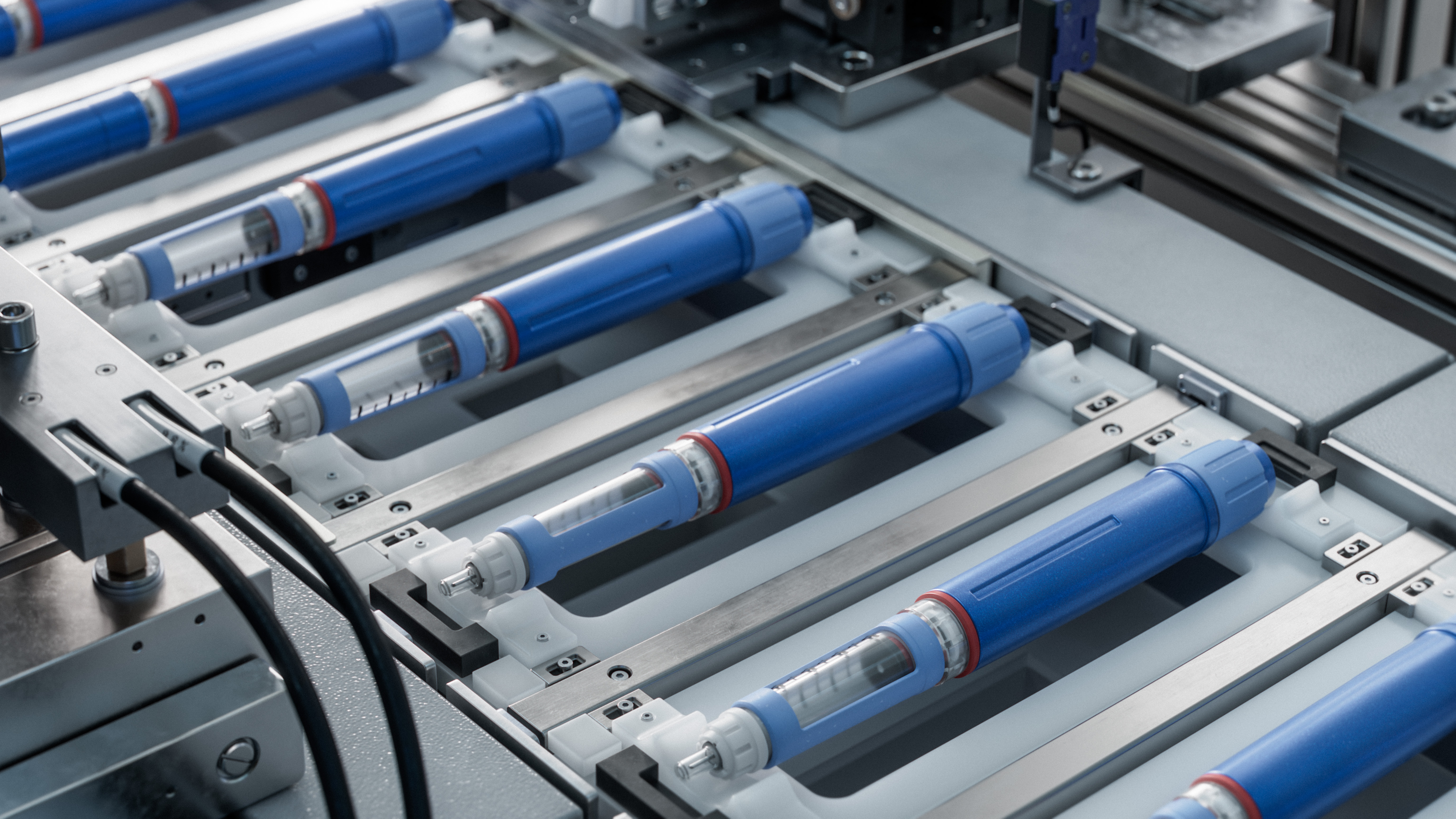
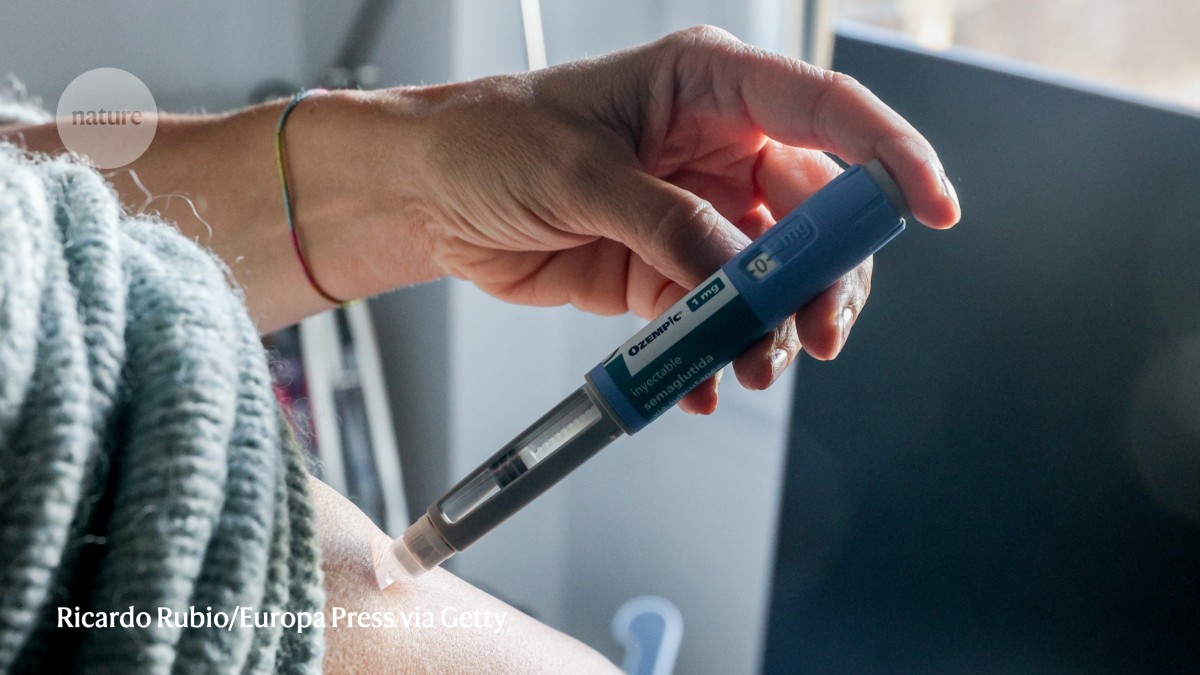
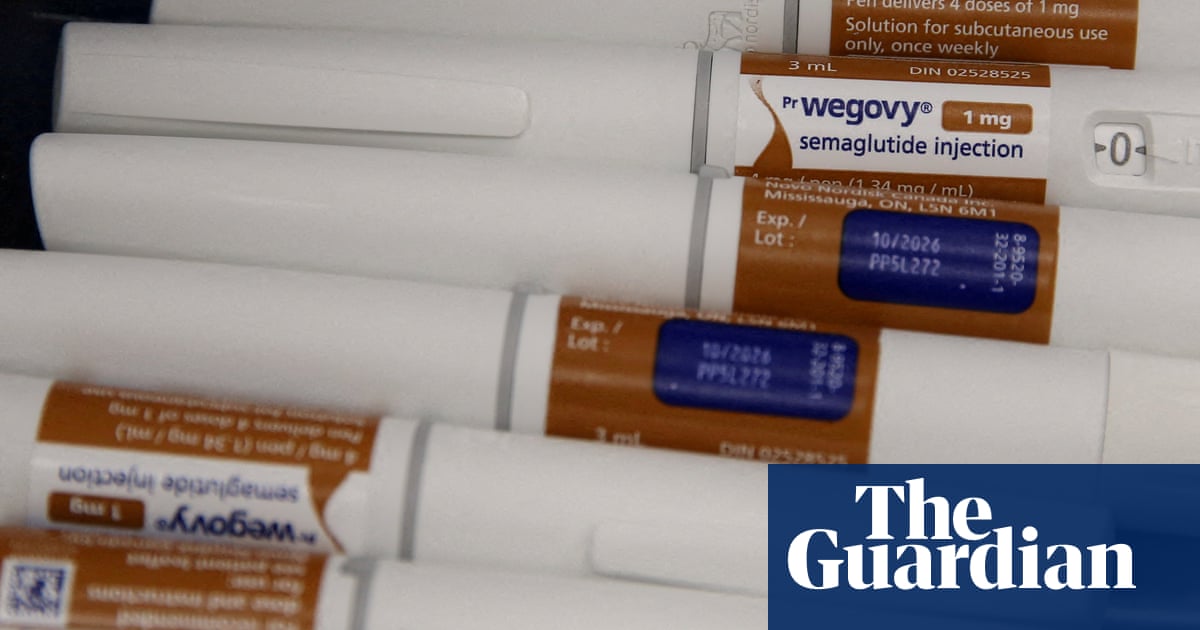
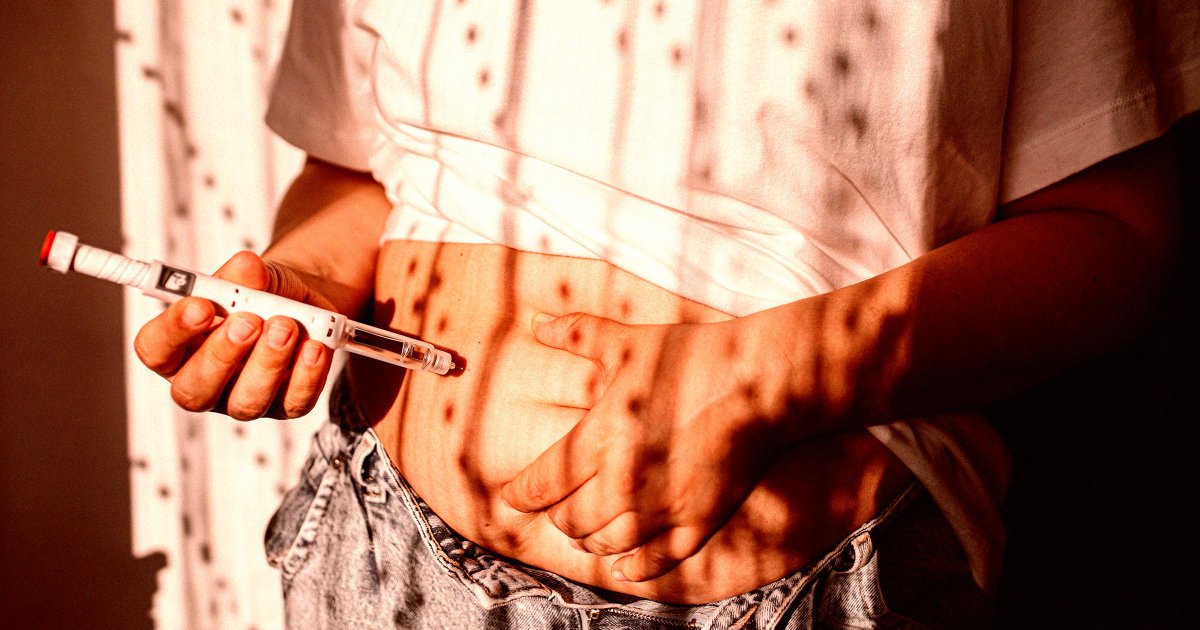
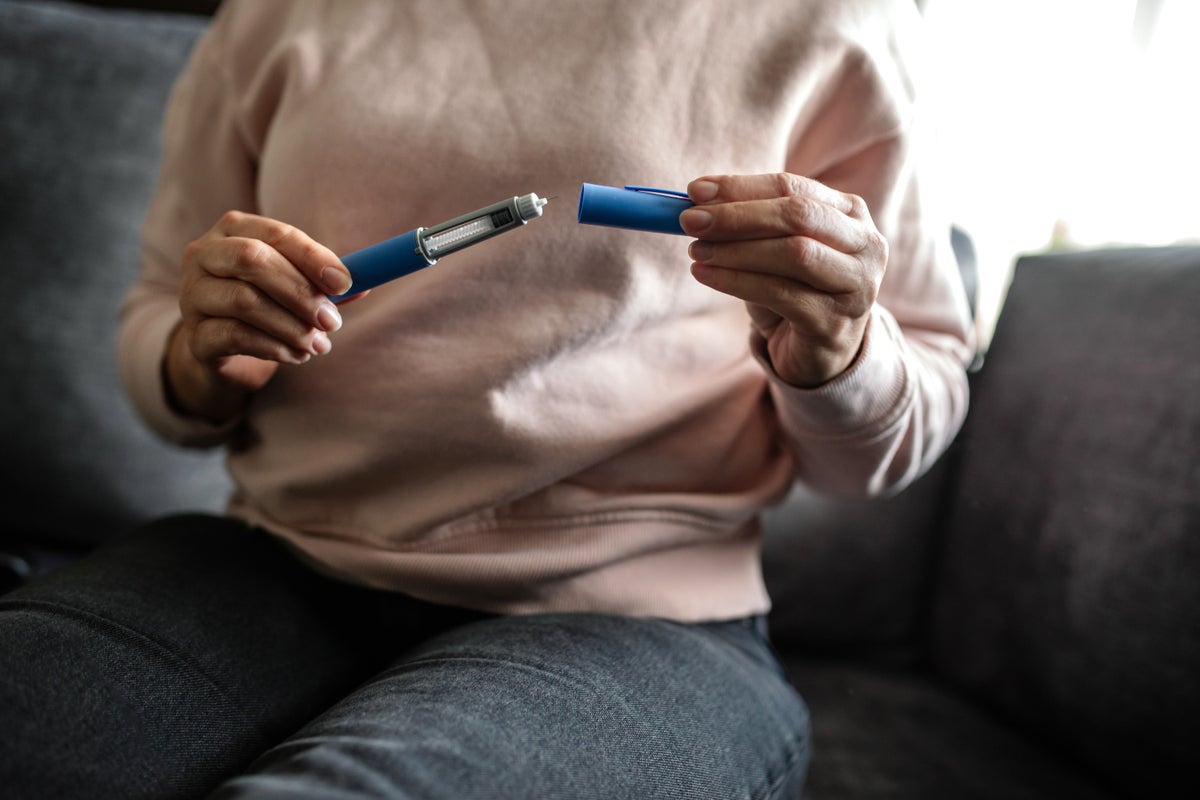
President Donald Trump unveiled a deal Thursday with drugmakers Eli Lilly and Novo Nordisk to expand coverage and reduce prices for their popular obesity treatments Zepbound and Wegovy. The drugs are part of a new generation of obesity medications known as GLP-1 receptor agonists that have soared in popularity in recent years. But access to the drugs has been a consistent problem for patients because of their cost - around $500 a month for higher doses - and insurance coverage has been spotty.
People taking popular new weight-loss drugs such as Wegovy and Zepbound often celebrate the number of pounds they shed and the related health benefits, but many doctors at weight-loss clinics are noticing a puzzling response in certain individuals. Andres J. Acosta, a gastroenterologist at the Mayo Clinic, says some of his patients have expressed frustration and disappointment as they watch friends or colleagues drop significant weight while taking the drugs but lose little or no weight themselveseven when they adhere to the medication's instructions perfectly.
A group of scientists monitored 92 people with diabetes in Japan during their first year of treatment with weight-loss drugs and discovered that the patient's psychology can affect the success of these therapies. People who overate at the sight or smell of tasty food were more likely to respond well to the drugs over the long term, while those who overate for emotional reasons were less likely to do so.