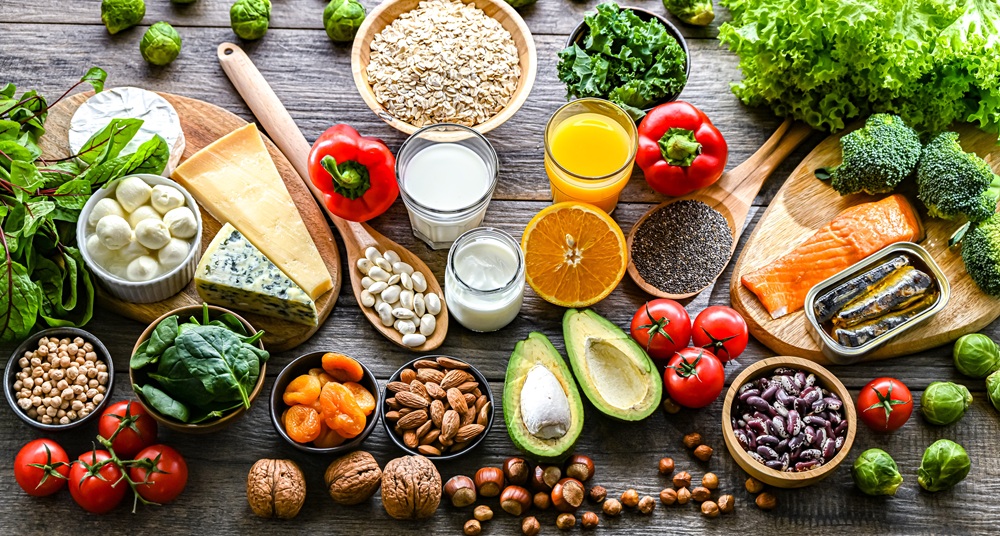
GLP-1 medications like Ozempic and Zepbound mimic a naturally produced digestive hormone to treat obesity and type 2 diabetes but carry financial costs and side effects. Certain foods trigger endogenous GLP-1 release from the small intestine, producing benefits that parallel drug effects. Natural GLP-1 enhances insulin release to prevent blood sugar spikes, slows gastric emptying to prolong fullness, and suppresses glucagon to limit hepatic glucose production. Eating GLP-1–stimulating foods can improve blood sugar control, reduce appetite, and support energy regulation, although dietary effects do not fully replicate pharmacologic potency.
"A set of drugs is taking the weight loss world by storm. GLP-1 medications, like Ozempic and Zepbound, offer results both for obesity and type 2 diabetes by synthesizing a hormone the body releases to manage, blood sugar, appetite, and digestion. GLP-1's dramatic rise in popularity and availability has also come with a cost, both to the wallet and in the form of a range of side effects. To learn more about GLP-1s read this article here."
"The good news is that these medications are mimicking a process the body does naturally. It is part of the digestive process. Certain foods trigger your body to produce GLP-1. These foods can have an effect on the body like their synthetic counterparts. By eating these foods, your body will produce natural GLP-1 and offer similar benefits as the drugs flooding the market."
"Release of Insulin: These peptides manage insulin, which keeps your blood sugar from spiking. Sudden rises in blood sugar can contribute to feeling hungry before your next meal and lead to insulin resistance, the precursor to type 2 diabetes. Slow digestion: Additionally, GLP-1 manages how quickly the food moves out of your stomach and through your digestive system. When food moves more slowly through your digestive tract, you feel full longer."
Read at Alternative Medicine Magazine
Unable to calculate read time
Collection
[
|
...
]