#glp-1
#glp-1
[ follow ]
#weight-loss #obesity #eli-lilly #ozempic #semaglutide #weight-loss-drugs #novo-nordisk #obesity-treatment #diabetes










Social media marketing
fromIndependent
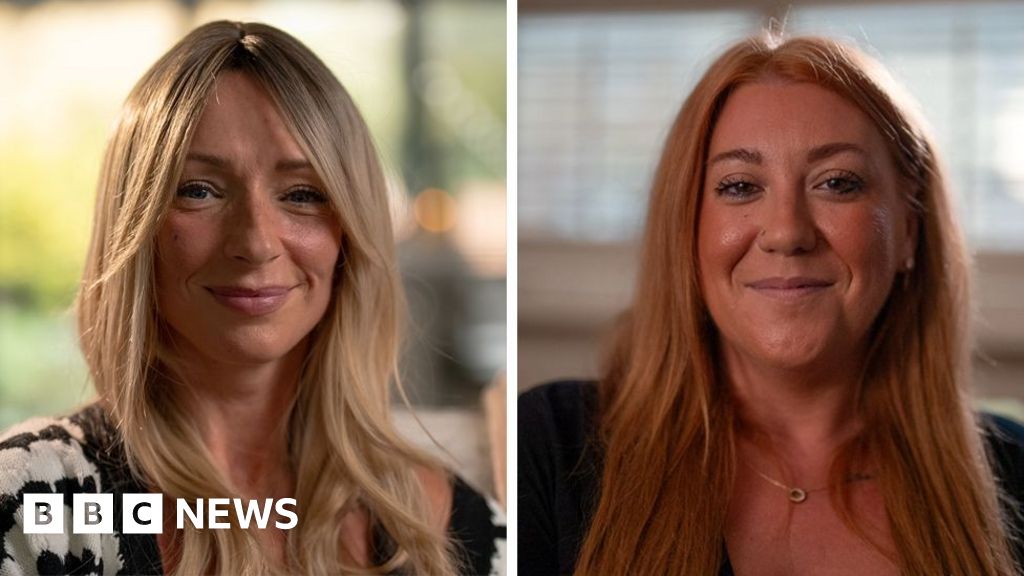
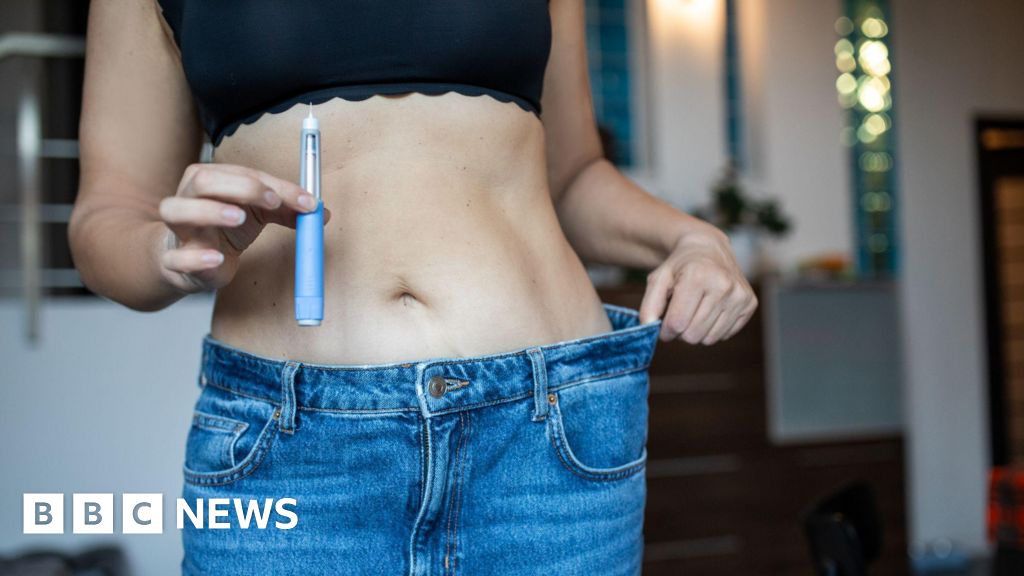
1 month agoKatriona O'Sullivan: Influencers I relied on to feel OK about my body are now taking GLP-1s - the ugly truth is I want them to stay chubby
Monitoring other women's body shapes online can lead to feelings of shame and raises questions about health and self-image.



fromwww.mediaite.com
2 months agoReporter Asks JB Pritzker if He Decided to Lose Weight Because He Might Run for President
I don't know about other people. I've been challenged with my weight for, you know, most of my life so the idea and I have succeeded and failed, I mean, like a lot people, you lose weight, you gain weight over the course of your life. I realize that other people want to make this about something that it's not, the governor said.
US politics

Miscellaneous
fromThe Globe and Mail
2 months agoDozens of online-pharmacy ads, including for weight-loss drugs, appear to violate federal rules
Online Canadian telehealth and virtual-pharmacy ads frequently name prescription drugs and promise effects, breaching Canada’s prescription drug advertising restrictions.
fromEntrepreneur
3 months agoThis Founder Built Natural GLP-1 Alternative Before the Boom
Becca McCarthy says she's always been good at recognizing when something is about to break into the mainstream. She has spent her career inside startups, helping turn early interest into real markets and building products before most people realize there's demand for them. That's why, a few years ago, when she started hearing people in her network talking about GLP-1 drugs, she paid attention.
Medicine



fromAxios
3 months agoTrumpRx is live. Here's what the website shows
How it works: The site features discounts that the Trump administration has negotiated with drug companies, including Pfizer, AstraZeneca, Eli Lilly and Novo Nordisk. People can't buy drugs directly from the site. Instead, it's a landing page with links that take them to pharmaceutical companies' direct-to-consumer purchasing platforms, or coupons that can be presented at a pharmacy. People who have health insurance could still pay cash for a medication from the site.
US politics
Science
fromwww.scientificamerican.com
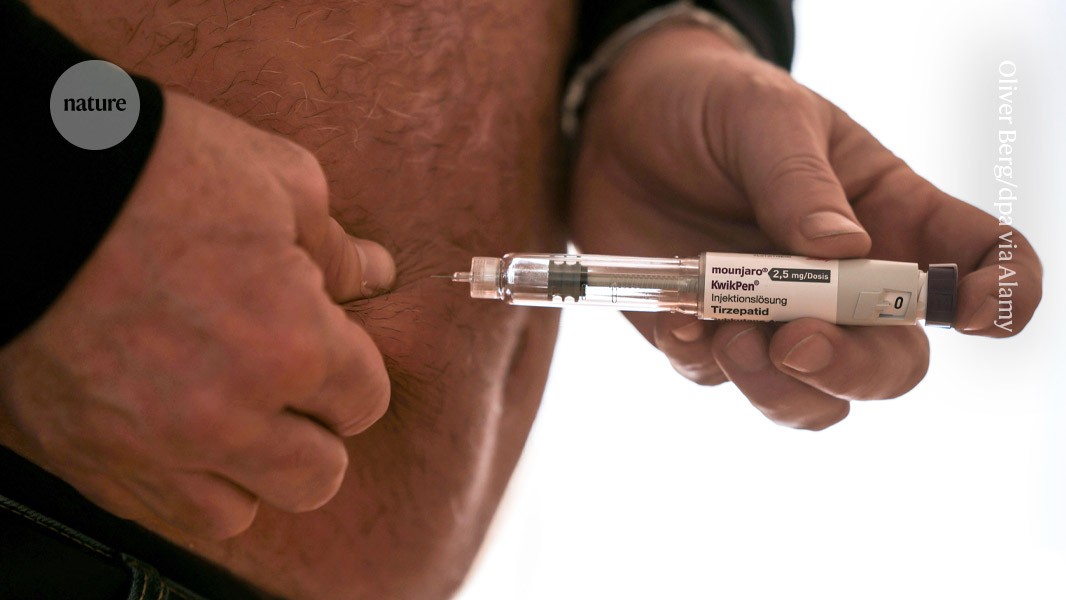
4 months agoThe Weight-Loss Drug RevolutionShots, Pills and the Science behind the Hype
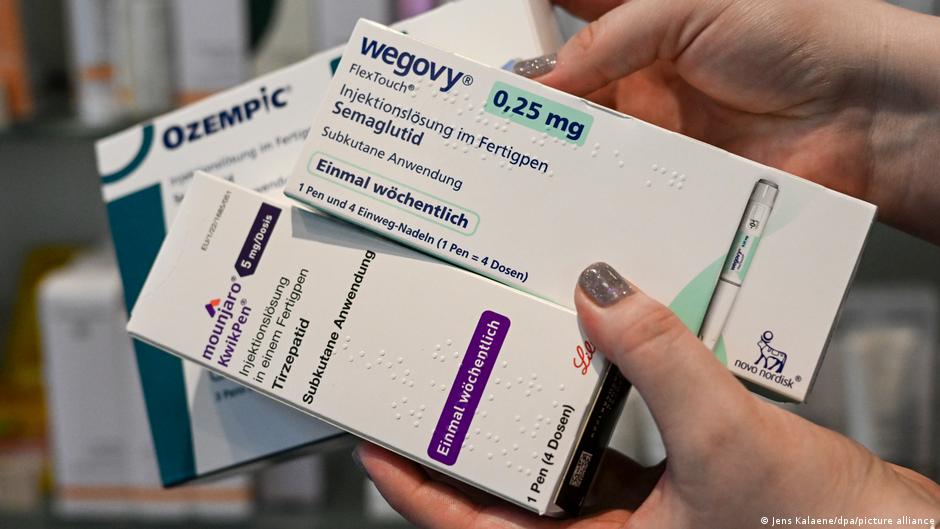
GLP-1 drugs mimic intestinal glucagon-like peptide 1 to boost insulin, alter metabolic signals, and are expanding from diabetes treatment to widespread weight-loss use and new formulations.
fromwww.scientificamerican.com
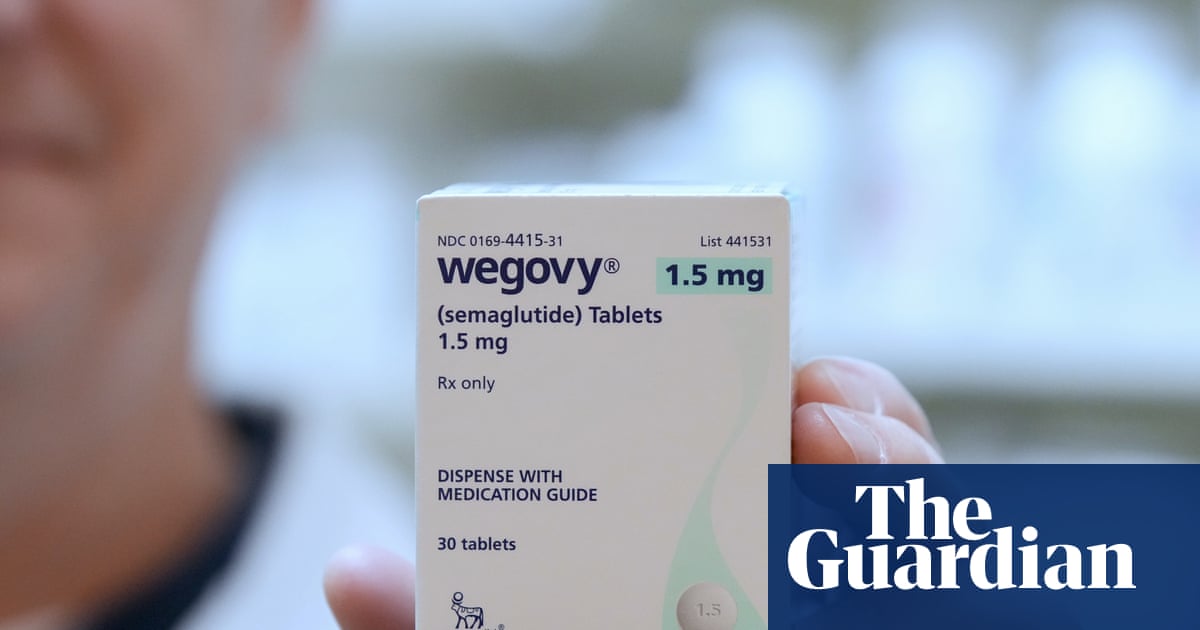
4 months agoU.S. Approves Wegovy Weight-Loss Pill, a Move That Could Transform Health Care
Most people are more comfortable taking a pill than regularly injecting themselves, says Daniel Drucker, an endocrinologist at the University of Toronto, who previously consulted for Novo Nordisk. It's just good to have more options for people, he says. At the same time, the pills could greatly improve access to the medication by lowering coststhe injections can cost hundreds of dollars per month out of pocket.
Medicine
from24/7 Wall St.
4 months agoPremarket Movers: Albemarle Gaining Momentum on Lithium Boom
is being driven by robust demand growth and ongoing inventory reduction, alongside regulatory tightening, including the shutdown of a major Chinese lithium mine by Contemporary Amperex Technology Co. Ltd. (CATL) and new government measures aimed at preventing producers from selling lithium at unsustainably low prices. The increased recognition of lithium as a critical mineral, combined with Western concerns over China's control of global supply chains, is bolstering the sector outside of China.
Business

fromFuturism
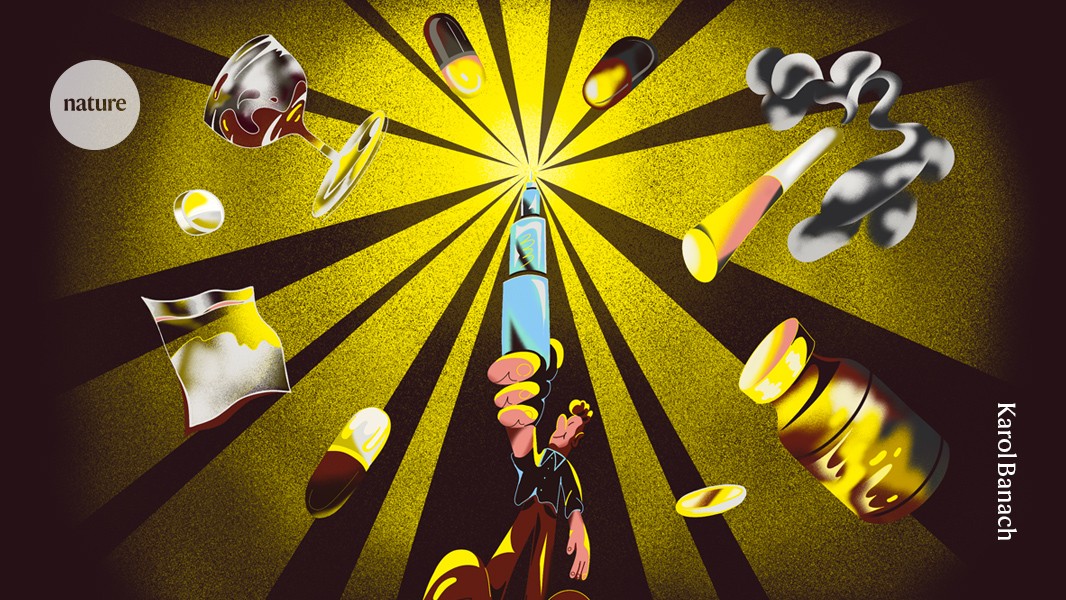
6 months agoScientists Say They've Figured Out a Way to Reprogram the Pancreas to Produce GLP-1s Without Ozempic
GLP-1 is the naturally produced hormone whose function is being mimicked by drugs like semaglutide and tirzepatide, the active ingredients in popular and highly effective weight-loss drugs like Wegovy and Zepbound. As CNN reports, two biotech startups are working on gene therapy treatments that would require, in a best-case scenario, a single injection that would reprogram the body's cells to produce the hormone instead of relying on weekly injections like current drugs.
Medicine
fromScienceDaily
6 months agoWegovy in a pill? Massive weight loss results revealed
The OASIS 4 phase 3 trial, published in The New England Journal of Medicine, marks a major advance in Novo Nordisk's effort to expand obesity treatment options. Conducted over 64 weeks, the study compared once-daily oral semaglutide 25 mg plus lifestyle changes with a placebo in 307 adults who were obese or overweight and had at least one weight-related condition, but did not have diabetes.
Medicine
Public health
fromBusiness Insider
7 months agoOnline pharmacies are still selling cheap copycat Ozempic and other weight loss drugs, despite new FDA rules
Cheaper compounded GLP-1 copycats remain widely used despite resolved shortages, FDA warnings, and legal threats, driven by high branded prices and strong patient demand.
fromwww.theguardian.com
7 months agoDaily weight loss pill can help cut body weight by a fifth, trial shows
A daily pill for weight loss can help people reduce their body weight by as much as a fifth, according to a trial that could pave the way for millions more people to shed pounds. The drug, called orforglipron, is manufactured by Eli Lilly and targets the same GLP-1 receptors as weight loss injections such as Mounjaro and Wegovy. In a trial of 3,127 adults, one in five people who took the once-a-day tablet for 72 weeks lost 20% or more of their body weight.
Medicine


fromwww.aljazeera.com
8 months agoWHO adds weight-loss, diabetes drugs to essential medicines list
The list, consisting of 523 medicines for adults and 374 for children, is a catalogue of the drugs the WHO believes should be available in all functioning health systems. The new editions of essential medicines lists mark a significant step toward expanding access to new medicines with proven clinical benefits and with high potential for global public health impact, said Yukiko Nakatani, WHO's assistant director-general for Health Systems, Access and Data.
Public health
Right-wing politics
fromThe American Conservative
10 months agoThe FTC Has the Chance to Rein in Big Pharma
Big Pharma's actions regarding necessary medicines, particularly semaglutide, require careful regulation.
Reliance on two manufacturers for crucial diabetes and obesity drugs poses significant risks to patients.
[ Load more ]