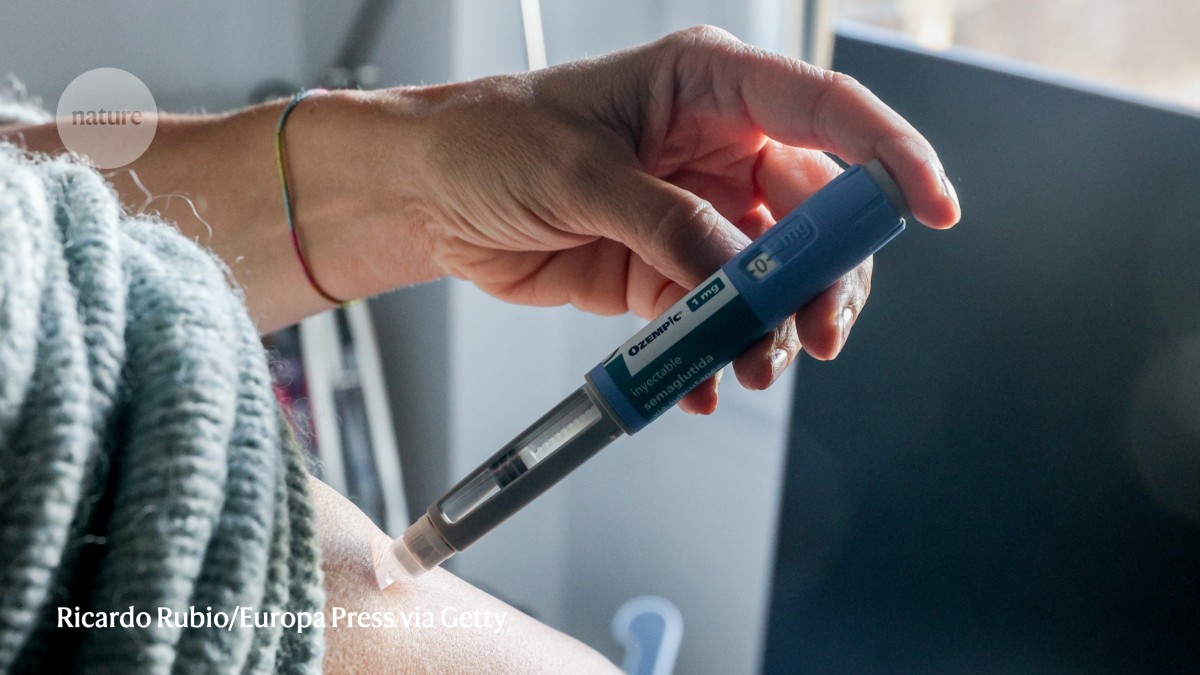
GLP-1 receptor agonists bind to GLP-1 receptors on many cell types and have become widely associated with weight loss. Celebrities and public figures have publicly linked these drugs to weight reduction and popular culture references have followed. Clinicians report large, clinically meaningful effects on both blood-glucose control and body weight in people with type 2 diabetes. Patients have experienced dramatic reductions in blood-glucose levels and substantial weight loss, sometimes around one-quarter of body weight. Many patients report improved quality of life and relief from intrusive thoughts about food. The drugs are increasingly used beyond diabetes care.
"But the treatment is no joke. Endocrinologist John Wilding, at Aintree University Hospital in Liverpool, UK, has spent much of his career seeing people with type 2 diabetes struggle with their weight, fight to maintain diets and exercise regimes, and wrestle with nagging 'food noise' - intrusive thoughts about food even when people aren't hungry."
"One of his patients was first diagnosed with type 2 diabetes when she was 17 years old. By her early twenties, the disease had progressed to the point where she was taking three diabetes medications and was facing the prospect of insulin therapy, which can cause weight gain. Instead, Wilding decided to prescribe her a GLP-1 receptor agonist. The treatment brought the patient's previously high blood-glucose levels down to the normal range and she lost around one-quarter of her body weight; about 30 kilograms."
""It's totally transformed her life," says Wilding, who is also a clinical researcher at the University of Liverpool and has been involved in research on GLP-1 receptor agonists. "There's lots of stories like that, also in older patients, where people have had responses that are really quite remarkable in terms of how much weight they've lost and how it's changed their quality of life.""
Read at Nature
Unable to calculate read time
Collection
[
|
...
]