#family-estrangement
#family-estrangement
[ follow ]
#boundaries #brooklyn-beckham #political-polarization #boundary-setting #social-media #mental-health



Relationships
fromSilicon Canals
1 week agoThere's a specific kind of guilt that belongs to people who left difficult families and built better lives. It's not survivor's guilt exactly. It's the knowledge that your peace required a distance that someone who raised you experiences as abandonment, and there is no version of the story where everyone is okay. - Silicon Canals
Family estrangement often leads to complex guilt that doesn't fit traditional narratives of victimhood or ingratitude.
Writing
fromTODAY.com
4 weeks agoAfter Running Away From Abuse, She Gave Herself a New Name That Means Freedom
A woman adopted from Russia and renamed Rachel by her religious adoptive parents escaped abuse at age 18, eventually reclaiming her identity as Charlotte Hayes to separate herself from her traumatic childhood.
Fundraising
fromPinkNews | Latest lesbian, gay, bi and trans news | LGBTQ+ news
4 weeks ago$90k raised for trans man's college tuition after parents cut him off
An MIT physics student raised $90,000 through crowdfunding after his parents cut financial support upon learning he is transgender, enabling him to complete his degree.



Relationships
fromIndependent
1 month agoAsk Allison: My dad and his sister fell out and she wanted her cancer kept secret from him. Now she's dead, do I tell him?
A deceased aunt's estranged siblings face decisions about honoring her privacy wishes while navigating complex family relationships after her death from brain cancer.
Relationships
fromSilicon Canals
1 month agoThe real reason some families go silent for years and then reunite as if nothing happened has nothing to do with forgiveness - therapists say it's one of these 4 patterns and only one of them is actually healthy - Silicon Canals
Family reunions after prolonged silence typically follow four distinct patterns, with only one fostering healthy relationships; most involve avoiding rather than resolving underlying conflicts.
fromPsychology Today
1 month agoNo, Family Estrangement Is Not a "Trend"
This framing of something as psychologically wounding as going no contact is not only unhelpful but deeply insulting, and the fact is that it is mainly influencers, not mental health or psychology experts, who are responsible for framing it this way. Certainly, it gets them clicks, likes, listens, and downloads, but it doesn't do much for those of us who have had to make the painful decision to go no contact.
Relationships
Relationships
fromwww.mercurynews.com
1 month agoDear Abby: I said I was sorry about my text, but they still won't let me see my grandchild
A grandmother was excluded from seeing her grandchildren after sending an angry text; apologies didn't restore access, and reconciliation may require accepting limited control.







fromSilicon Canals
2 months ago8 things people who become estranged from their families all have in common, and it's never what the family thinks - Silicon Canals
You know what families always say about estranged relatives? "They changed." "They got selfish." "They think they're better than us now." But after years of watching this pattern play out, reading psychology texts on family dynamics, and yes, living through my own complicated family relationships, I've noticed something different. The people who end up distancing themselves from their families often share remarkably similar experiences and traits that have nothing to do with what their families believe.
Relationships
fromwww.theguardian.com
2 months agoWhen low contact' doesn't mean healing but coercion | Letters
What concerned me most was the lack of acknowledgment of how this trend overlaps with the rise in coercive control. One of the first warning signs of an abusive partner is encouraging someone to isolate from family and friends. How confusing must it be for people to see that behaviour supported in online messaging. Isolation is a major red flag for domestic abuse, and we should be helping young people to recognise that.
Relationships



fromPsychology Today
2 months agoWhat Makes Adult Children Cut Ties With Their Parents?
Lorraine: I'm so hurt that you said you did not want me to bring Joe, my significant other, to your rehearsal dinner and wedding. I can't believe you would do this to me. Stephanie: Mom, I've explained this to you before. Our wedding is about Joshua and me. It's a once-in-a-lifetime event. Joe is a stranger to us, and we don't want him there. Lorraine: But I was hoping you could meet him and get to know him.
Relationships
Relationships
fromSlate Magazine
2 months agoHelp! I Asked My Sister Some Innocent Questions About Her Messy Life. I'm Stunned by What Happened Next.
Clair cut off family communication after Christmas, upset over perceived lack of gifts for her grandchildren and resentment over family scrutiny following her vandalism charge.
fromHuffPost
2 months agoCruz Beckham Seems To Address Brooklyn And Family Drama With Cryptic Video
The video posted Monday on TikTok showed Cruz, his girlfriend Jackie Apostel, older brother Romeo and Romeo's girlfriend Kim Turnbull seeming to mock the family drama by mouthing along to the instrumental opening of "On The Block," a 2021 song by Lil Maru. The caption on the video read simply, "Imagine hating and we're just here like." Cruz's video wasn't loading on TikTok at publication time, but you can see what was going on via an X share from user @LucyLuMerrygold.
Relationships
Film
fromRoger Ebert
2 months agoSundance 2026: Big Girls Don't Cry, Hold Onto Me, Tell Me Everything | Festivals & Awards | Roger Ebert
Three Sundance World Dramatic Competition films depict adolescents confronting identity, family estrangement, and societal fear across varied places and historical moments.

fromPsychology Today
2 months agoHow Social Media Is Destroying Families
This grief feels similar to what they would experience if their family member died, but in some cases, it feels even worse. Family estrangement has reached epidemic proportions. A 2022 survey found 29 percent of Americans are currently cut off from a parent, child, sibling, or grandparent, and a 2025 survey found 38 percent have experienced estrangement from a close family member at some point. These aren't just statistics. They're the tragic consequences of families ripped apart.
Psychology
Relationships
fromwww.theguardian.com
2 months agoDavid and Victoria Beckham learned the hard way modern kids go no contact' with no guilt or stigma at all | Emma Brockes
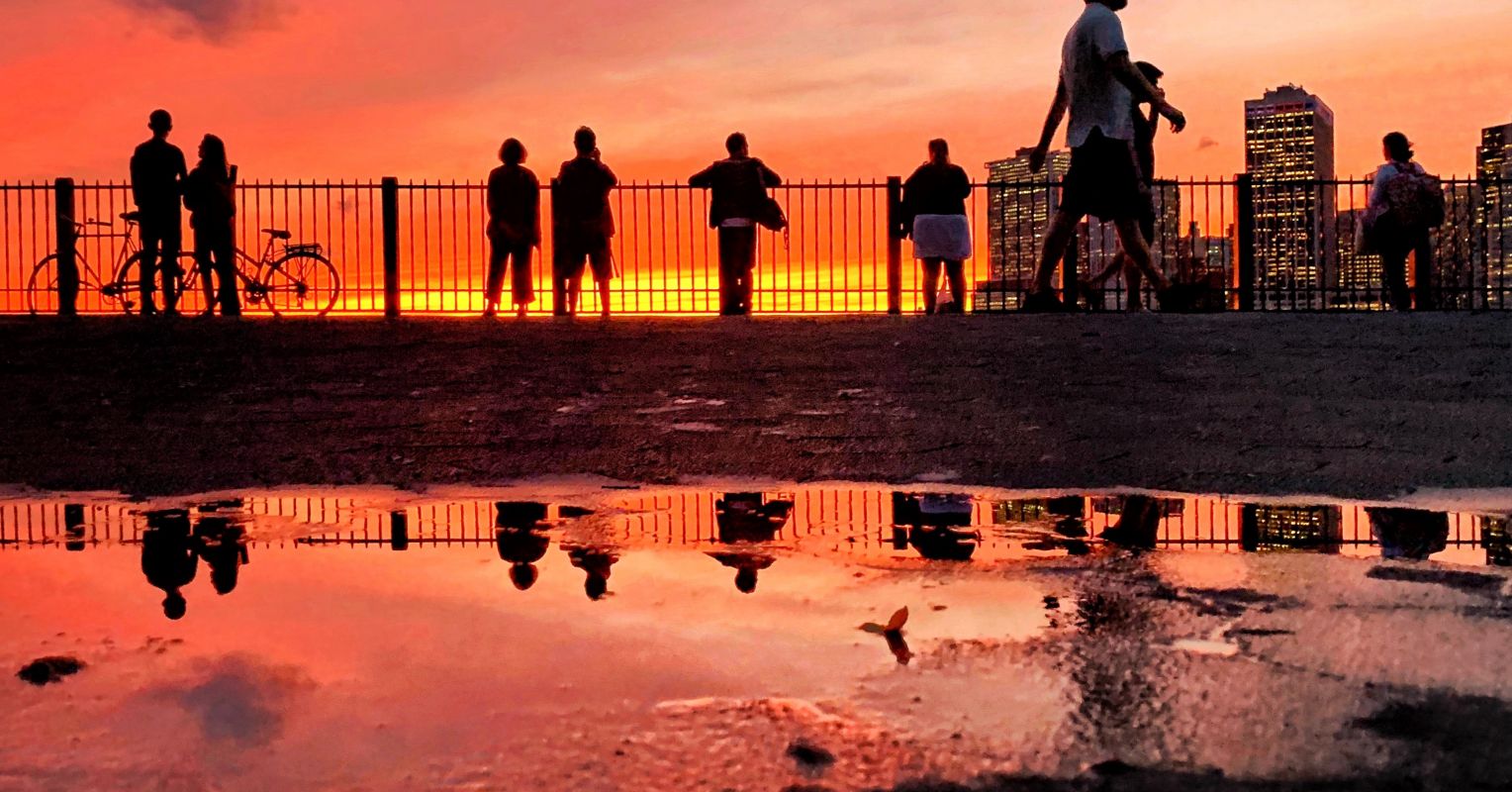
Gen Z and millennial family estrangement is being codified into labels (NC, VLC, LC) to legitimize traumatic separations and remove stigma from cutting parents out.

Mental health
fromSlate Magazine
2 months agoMy Big Family Once Formed the Backbone of My Life. Then, We Discovered My Sister's Horrific Actions. Now Nothing Is the Same.
Grief arises from losing a once-trusted family that protects abusers and punishes truth-tellers, necessitating boundaries, support, and therapy to mourn and rebuild safety.
fromwww.mercurynews.com
3 months agoAsking Eric: This neighbor seems nice but I hear she's a liar. Should I ignore her overtures?
I'm no judge but there seems to be a lot of hearsay happening here. The neighbor who gave you the warning was vague in a way that perhaps suggests discretion, but in reality, only muddies the waters. Either say something helpful (and objectively true) or say nothing at all; a blanket warning hews too close to gossip for my taste. If you want to be friends with this other neighbor, trust your judgment and proceed with caution, just as you would with anyone else.
Relationships


fromwww.mercurynews.com
3 months agoDear Abby: I was still waiting for my invitation when I saw the wedding photos online
At the time, my gut feeling was that he felt awkward inviting me and his aunt when his parents weren't included. In the past, I have sent Ethan a check on his birthday and at Christmas and helped him financially with vehicle repairs. Although I was not invited, I sent a congratulatory card for the wedding, with a significant check enclosed. He cashed the check but did not acknowledge receipt of the card.
Relationships
fromwww.mercurynews.com
3 months agoDear Abby: He was unhappy with my mother's will so he blew up our family
As the fiduciary of my parents' estate, I followed their trust directives as written, with no exceptions. My son received a nice check, but not as large as he had expected. He was upset and blamed me for taking his money. Then he declared that we would never see our grandsons again unless he received what his grandmother had promised. He refused to understand the concept of a trustee's fiduciary duty and has ghosted us,
Relationships

fromSlate Magazine
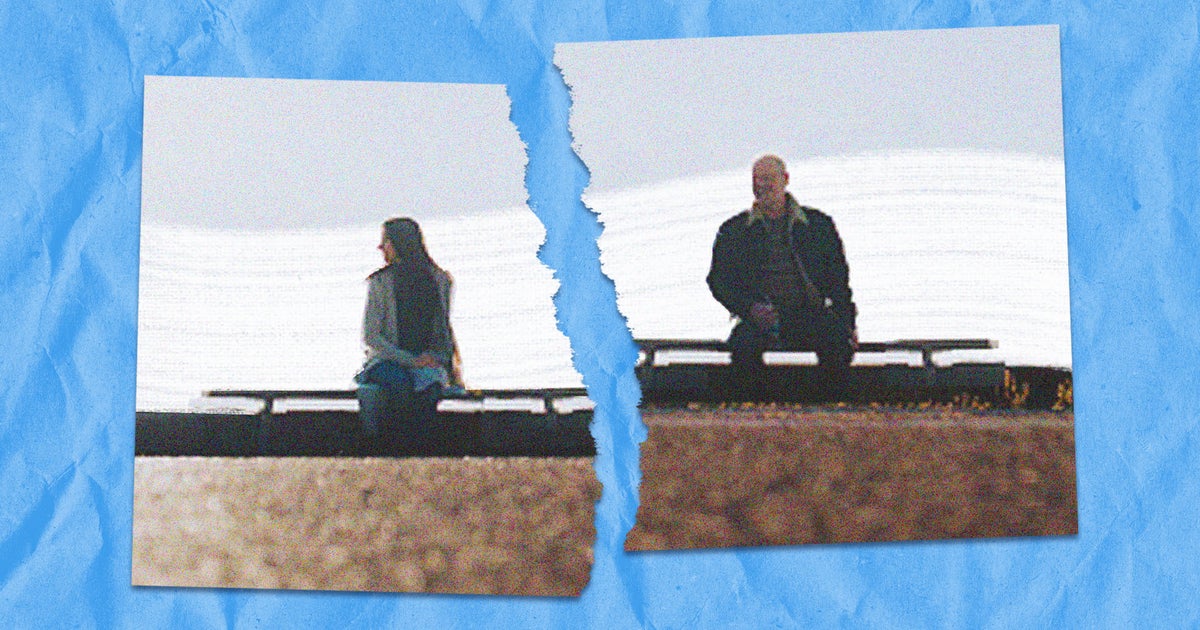
3 months agoMy Sister Ghosted Me and Our Five Siblings. Now There's a Fraught Plan for Us to Make Amends.
Don't worry yourself too much about this. Your kids will spend a limited amount of time at the same wedding festivities as your sister, and you will be there to supervise their interactions. Give her an opportunity to meet them and if she does or says anything inappropriate, keep them distanced from her for the remainder of the celebration. If she charms your kids and they ask about spending more time with her,
Parenting
Film
fromwww.independent.co.uk
3 months agoThe promise Brigitte Bardot made to her estranged son before her death
Brigitte Bardot had a strained relationship with her son Nicolas-Jacques Charrier, later adopting a more private approach to their rift while a news outlet emphasizes funding for on-the-ground journalism without paywalls.
Relationships
fromSlate Magazine
3 months agoHelp! Our Son Is Getting a Divorce. But We Didn't Expect We'd Lose This Very Important Person in Our Lives.
Adolescent relationships often demand persistent effort and yield little reciprocity because teens can be age-appropriately self-absorbed and disengaged.
fromBuzzFeed
3 months agoMy Dad's Life Fell Apart. When He Died, I Logged On To His Email And Made A Shocking Discovery.
Our father's body lay on a plinth the color of gunmetal. He was covered by a simple white sheet up to his collarbone, above which his shaved head was supported by a stone headrest. Looking at him, it was as if his body had shrunk in tandem with his dissembling life. I shivered. The visitation room in Omega Funeral Home was as cold as a meat locker, while outside the rainy season had turned Lagos into a sauna.
Books
Books
fromwww.theguardian.com
3 months agoPalaver by Bryan Washington review a remix of the author's greatest hits
A guarded son and his estranged Jamaican-American mother reunite in Tokyo, confronting cultural distance, familial dysfunction, and tentative rapprochement through awkward, faltering conversations.
Mental health
fromwww.theguardian.com
3 months agoFor Harry, Christmas magnified feelings of isolation. How could he escape the annual rollercoaster of anxiety and sadness? | Bianca Denny
Harry dreads Christmas because loneliness, family estrangement, financial strain, and social pressures turn the season into anxiety and isolation.
fromPsychology Today
3 months agoWhy Grandparents Need Communities Too
The well-documented rise in adult-child-parent estrangement creates stressors for grandparents, too (such as loss, identity change, social isolation, and complicated loyalties). It raises the practical importance of grandparent communities as protective resources (for emotional support, practical help, advocacy, and skills for boundary work). I was recently speaking to a friend who is also a new grandparent, and we discussed the joys of being grandfathers, as well as how rewarding it feels to help our adult children navigate this challenging time in their lives.
Relationships
fromSFGATE
3 months agoDoormat Mom is the worst parent on the whole internet
It's Christmastime, which means peace on Earth and goodwill toward others. But do ALL others deserve such generosity? What if one of those other people is your adult daughter? And what if your daughter, the cruel wretch, decided not to invite you to her wedding? Well, if you're 59-year-old Laura Wellington, you do what any right-thinking American would: You create multiple social media accounts with the handle "Doormat Mom" that are dedicated to publicly dragging your child into the gutter with you:
Parenting
fromwww.mercurynews.com
4 months agoAsking Eric: My brother is being horrible to us, and we don't know why
My parents built their lives around their children and grandchildren, personally and financially. Mom was their free full-time daycare until graduation. My parents also paid for my brother's house in cash. Family is Mom's reason for living. But recently my brother brutally cut her out of his life. We don't know if he's mad that she moved in with us four years ago, even though he was not offering.
Relationships
Remodel
fromSlate Magazine
4 months agoI Took My Nephews In After My Brother Abandoned Them. Now They're Furious Over the Ways I "Failed" Them.
Chronic family financial irresponsibility and manipulation led to estrangement, financial loss, and significant personal sacrifices including housing relatives while protecting savings and assets.
fromSlate Magazine
4 months agoIt's the Movie That Could Finally Get Adam Sandler His Oscar Nomination. It Left Me Teary.
"Can we go again?" asks Jay Kelly (George Clooney), a movie star shooting a scene in which the tough guy he's playing dies of a gunshot wound on the soundstage reproduction of a rain-slicked alleyway. "I think I can do it better." These lines from the opening scene of Noah Baumbach's Jay Kelly will become the film's wistful recurring theme.
Film
fromPsychology Today
4 months ago#NoContact: An Unfortunate Trend
You might be familiar with Dr. Gibson's book that helps people identify their parents' flaws, diagnoses them as "toxic," or "emotionally immature," laying the groundwork for initiating "no contact." Guests in the audience shared stories about years of radio silence with their parents. Oprah congratulated people for being able to prioritize their well-being over continuing to engage in obligatory relationships. She was impressed with how far we have come in our culture in order to put ourselves first.
Mental health
fromwww.mercurynews.com
4 months agoDear Abby: My sister, the favored child, believes the lie my father tells about me
My father agreed initially, then said he was too busy (he's retired) and refused to go. He then cut me off and announced to the family that he was disowning me. My sister believes his story that I cut him off. Since she was never treated poorly, she doesn't believe that I was. How can I continue my relationship with her, while she remains close with him?
Relationships
Relationships
fromwww.mercurynews.com
4 months agoDear Abby: My ex's family doesn't believe he's my kid's father. What should I do?
Legal severance of parental rights typically ends familial obligations and pursuing estranged relatives is unlikely to restore ties; caregiving needs can alter retirement expectations.
fromBuzzFeed
4 months agoAn Old Clip Of Britney Spears Describing How She Envisioned Her Life 20 Years On Has Gone Viral
When asked whether she wanted a family, her face lit up. "Yes, definitely," she said. "In 20 years, I see myself around my pool with my kids running around, having swimming parties as I drink my margaritas with my girlfriends," Britney added with a laugh. She went on to say she wanted to be "just like" her mom, Lynne, calling her a "beautiful" person. Getting emotional, Britney said, "She's such a spiritual person and such a beautiful lady, so I wanna be like her."
Music
fromwww.mercurynews.com
4 months agoHow Richard Dreyfuss lost his kids over a Kevin Spacey MeToo allegation
Richard Dreyfuss and Kevin Spacey are both Oscar winners who were once popular movie stars and hailed as two of the most talented actors in Hollywood. But over the years they have proven themselves to be problematic men whose life choices have arguably hurt their careers and left them struggling financially. Now comes a strange, sad story about how the actors' 2009 professional collaboration figured into Spacey's MeToo-era downfall and led to Dreyfuss becoming estranged from his three adult children.
Film
fromBuzzFeed
5 months ago"My Cousin Bought Into The BS": 14 People Shared The EXACT Moment They Cut Off MAGA Family
He was listening to the Limbaugh shit on the radio and working with people who displayed the characteristics of MAGA. After Trump was elected in 2016, he really started to get weird. He would come home spouting bullshit, and he was always contrary, confrontational, and negative. It was weird. I loved him a little less each day. We had been married for 38 years when we finally divorced, and he wasn't the same person anymore. I couldn't stand to be intimate with him anymore.
US politics
fromSlate Magazine
5 months agoHelp! Every Time My Friends Visit, They Bring Some of My Biggest Childhood Bullies in Tow. They Have No Clue.
I am a queer man of color in my mid-20s. I grew up in a mostly white, conservative, rural town. It was hellish growing up there, dealing with constant microaggressions, racism, and homophobia. Even though I was not out of the closet at the time, I was constantly clocked as being gay and ridiculed as a result. Despite this, I had some incredibly close friends who were a godsend during that time.
Relationships
[ Load more ]