"There's this idea that the people who estrange are selfish or impulsive or chaotic when really it's exactly the opposite. We're stepping away from people who are selfish, impulsive, or chaotic. We're trying to get away from toxic dynamics. The disclosure of having cut ties with one's family is often met with silence, the kind that comes after a glass shattering."
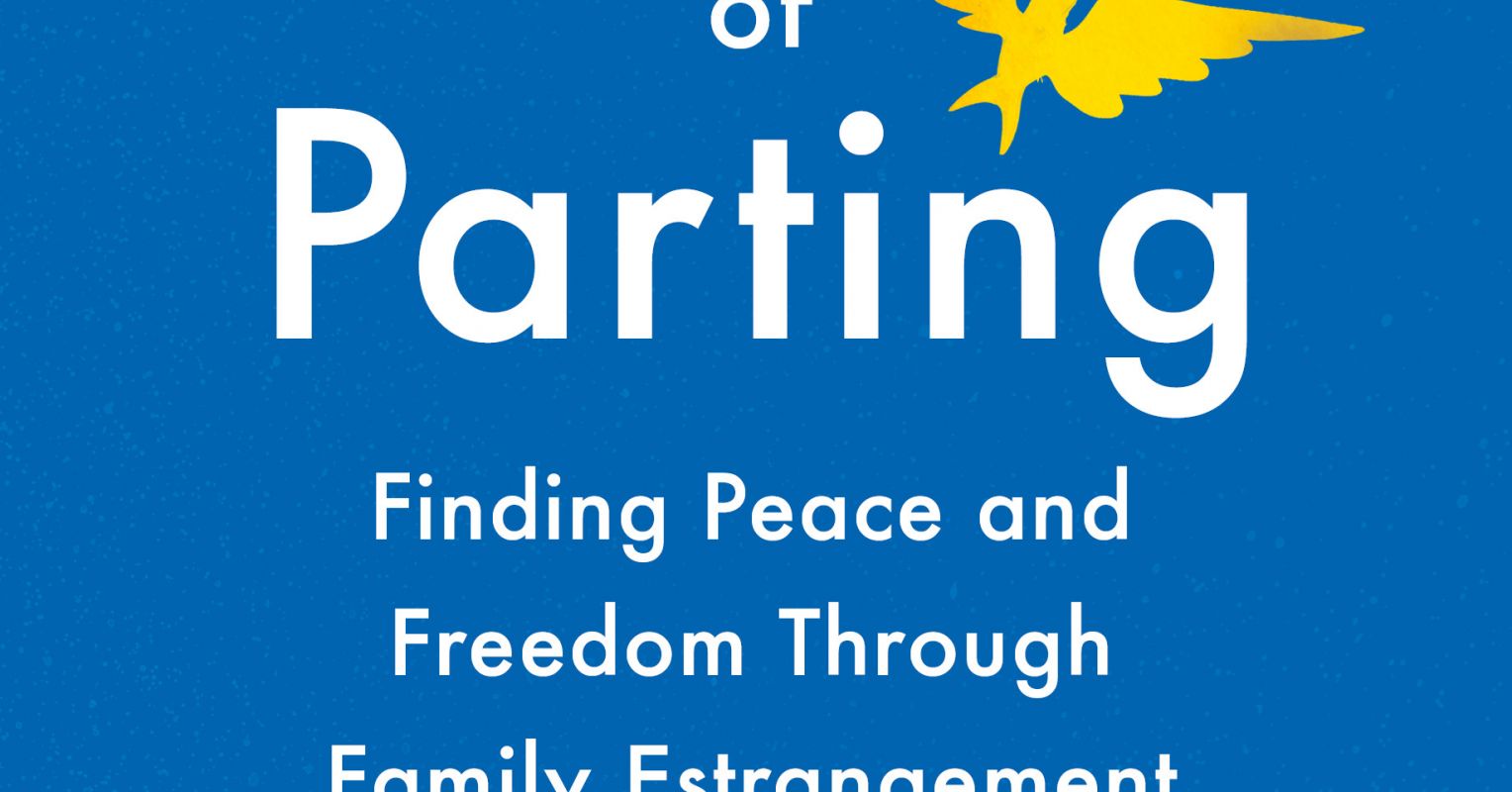
"We are culturally fluent in reconciliation arcs. We love the swelling soundtrack, the hospital bedside apology, the tearful wedding toast. We are uncomfortable with the less cinematic version of the story: the adult child who decides to end the cycle of abuse and chooses separation from their relatives. In The Power of Parting, Dolan pushes against the persistent cultural myth that adults who step back from family are self-centered, dramatic, or unstable."
Eamon Dolan's book The Power of Parting reframes family estrangement as a legitimate choice rather than a character flaw. Society struggles with adults who cut ties with relatives, often assuming death or viewing such decisions as selfish or dramatic. Cultural narratives favor reconciliation stories with emotional resolutions, leaving little space for those who choose separation to break cycles of abuse. Dolan argues that people who estrange are actually stepping away from toxic dynamics, not from responsibility. Trauma therapists observe clients repeatedly attempting repair with family members despite ongoing harm, minimizing abuse, and people-pleasing. Children naturally preserve attachment to caregivers for survival, but when parental figures become sources of fear rather than safety, separation becomes adaptive.
Read at Psychology Today
Unable to calculate read time
Collection
[
|
...
]