#sleep-hygiene
#sleep-hygiene
[ follow ]
#circadian-rhythm #sleep-quality #insomnia #mental-health #sleep #bedtime-routine #screen-time #meal-timing
#bedtime-routine



Wellness
fromLondon Business News | Londonlovesbusiness.com
4 days agoSmall bedtime habits that make a bigger difference than you'd expect - London Business News | Londonlovesbusiness.com
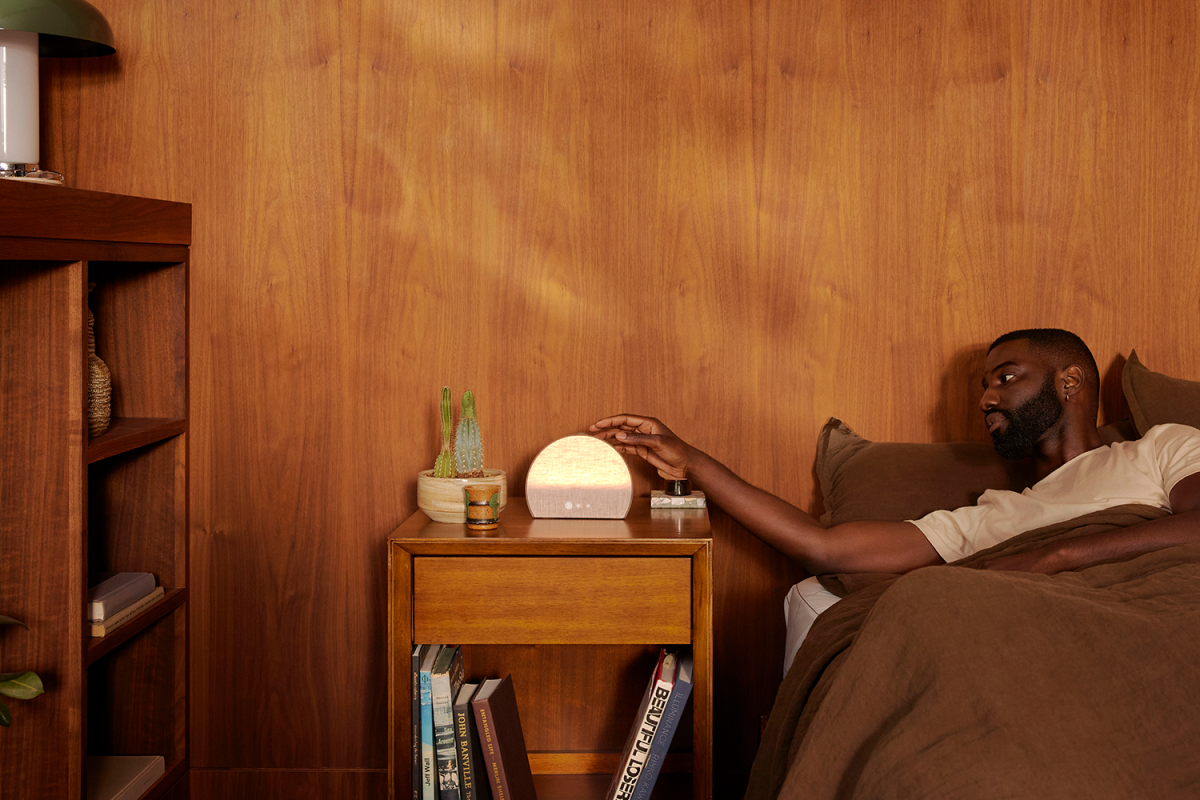
Poor sleep often comes from bedtime lead-up habits, including late schedules, phone use in the bedroom, and unfavorable light and temperature conditions.


Mental health
fromSilicon Canals
3 months ago9 things people do at night that quietly guarantee tomorrow will feel harder - Silicon Canals
Evening habits like late-night social media and intense conversations disrupt sleep-winddown and worsen next-day energy and mental clarity; changing them improves morning wellbeing.
Digital life
fromBusiness Insider
3 months agoI stopped using my smartphone as an alarm. My sleep and productivity improved almost immediately.
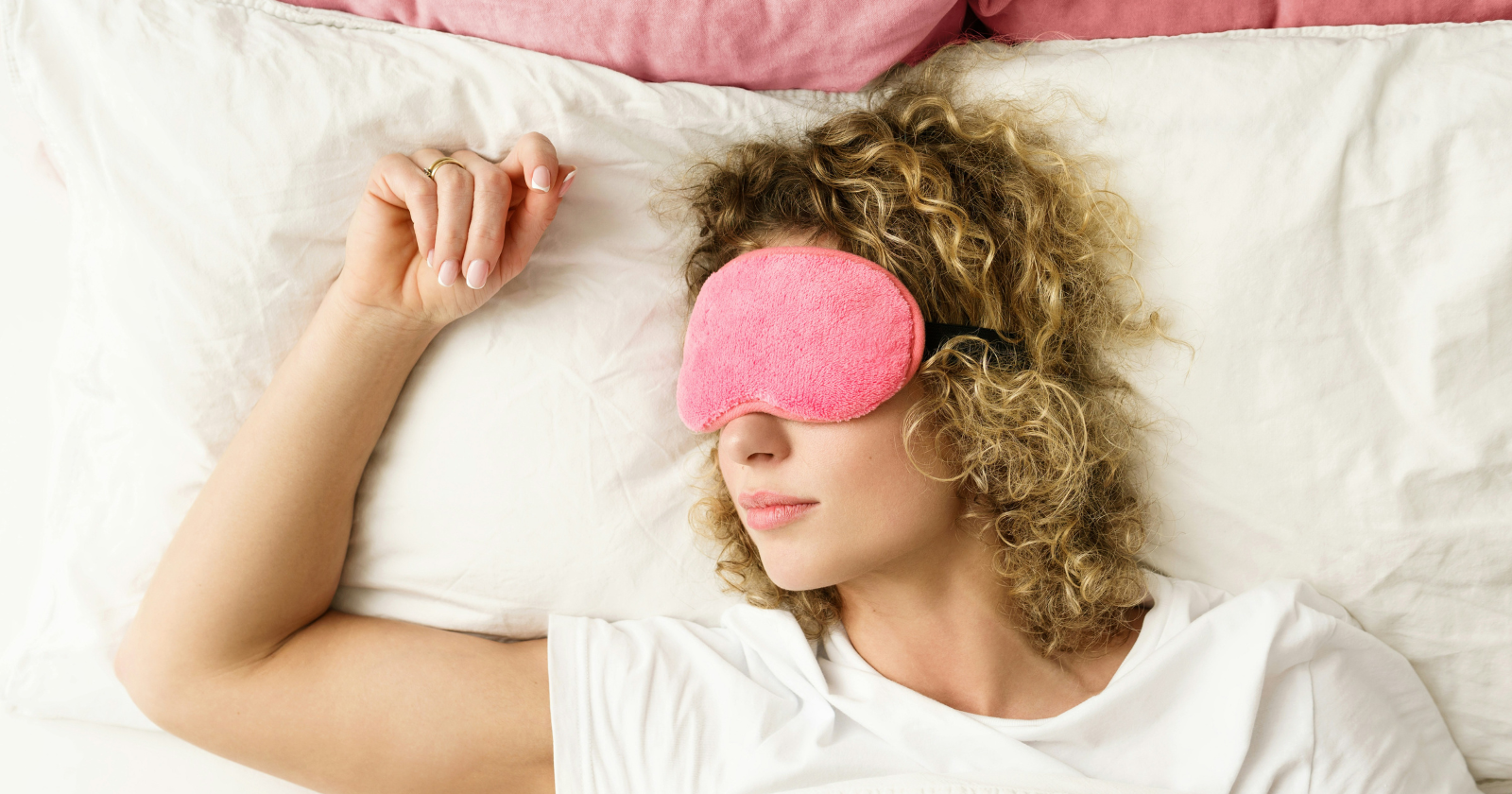
Replacing a smartphone alarm with a $16 analog clock reduced doomscrolling, improved sleep, and encouraged reading, journaling, and leaving the phone outside the bedroom.


Health
fromSilicon Canals
3 months ago5 morning mistakes most people make before 8 AM that drain their energy for the entire day - Silicon Canals
Hitting snooze and other early-morning habits fragment sleep and drain energy for the next sixteen hours; consistent wake times and removing the phone improve alertness.
fromSilicon Canals
3 months agoGoodbye to sleeping pills: the military technique that puts soldiers to sleep in two minutes - Silicon Canals
Flying combat missions on little to no rest meant slower reaction times, clouded judgment, and mistakes that could cost lives. The military needed a solution, and they needed it fast. What they developed was a technique so effective that it reportedly worked for 96% of pilots after just six weeks of practice. No pills, no special equipment, just a systematic approach to shutting down your racing mind and tense body in 120 seconds or less.
Wellness
fromSilicon Canals
3 months agoYou know you're getting older when these 10 "boring" activities genuinely excite you now - Silicon Canals
Remember when Friday nights meant figuring out which party to hit first? Now, I get genuinely thrilled about having zero plans and a new documentary queued up. Last week, I actually canceled drinks to stay home and organize my spice drawer, and the weirdest part? I felt zero FOMO! If you've ever caught yourself getting excited about a new vacuum cleaner or spending Saturday night researching the best mattress for back support, congratulations! You're officially entering that phase of life where "boring" isn't boring anymore.
Mindfulness
fromwww.theguardian.com
4 months agoWhy the Lumie Bodyclock Glow sunrise alarm clock is the best wake-up under the sun
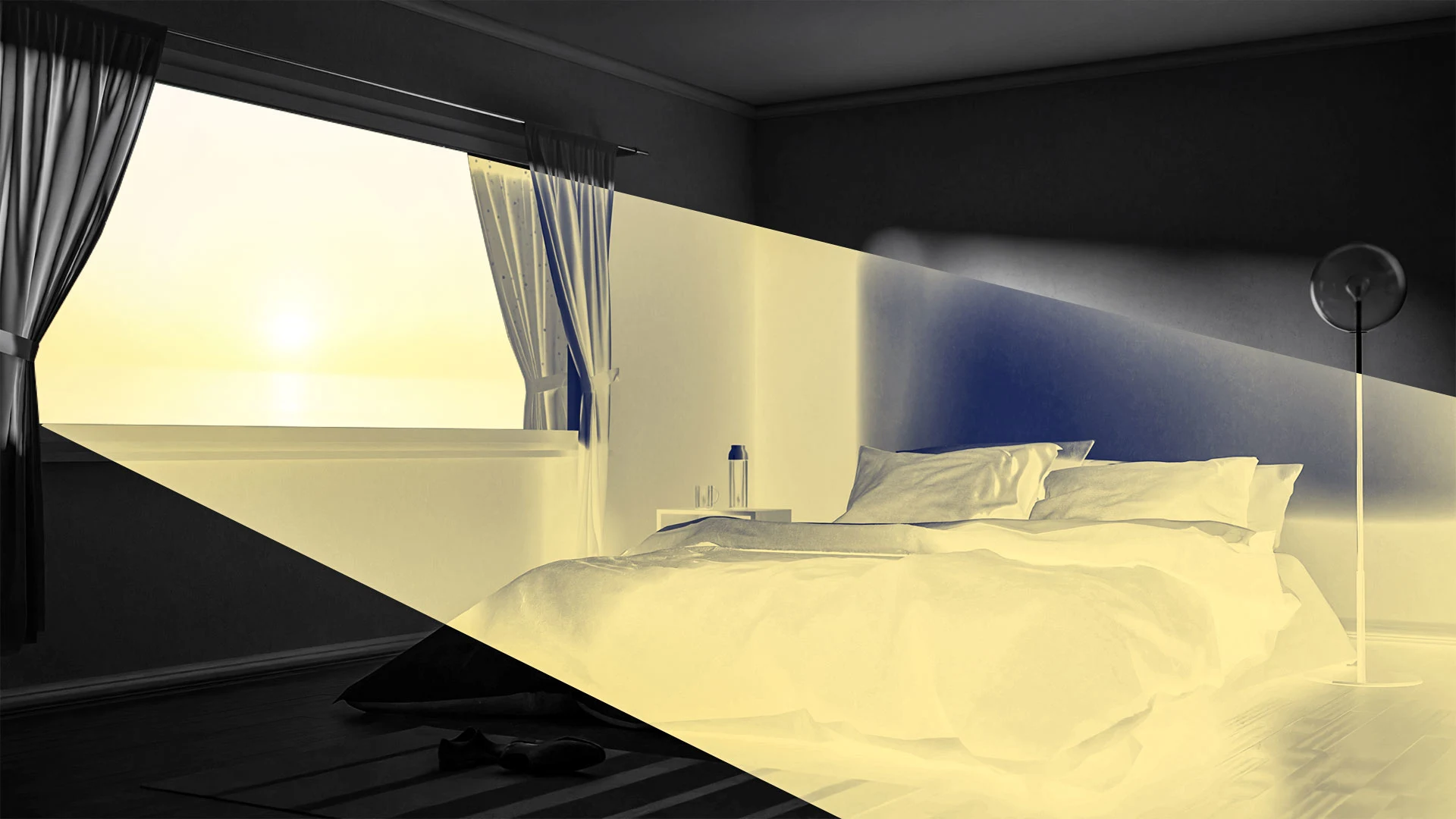
The brain kicks into gear and sends signals to initiate all sorts of bodily processes, from metabolism to hormone release, which helps us to feel ready for the day. It's a fundament of our circadian rhythm and we miss out on it whenever we wake before it gets light. That is where a sunrise alarm clock can fill the gap.
Gadgets


fromwww.npr.org
4 months ago4 ways to beat the anxiety of insomnia and get back to sleep
"I started getting into the frame of mind most people get sucked into. I worried, 'What's going on? Is there something wrong with me?'" he says. That fear of not being able to sleep is a phenomenon called "sleep anxiety," says Orma, who went on to become a specialist in insomnia treatment. Left untreated, that anxiety can prevent people from actually falling asleep. "The more you focus on it, the less chance you'll sleep, which then makes you more anxious. That's the cycle that spins," he says.
US news
fromWIRED
9 months agoHow Much Melatonin Should You Be Taking? And Should You Be Taking It at All?
CGMP stands for "Current Good Manufacturing Process," which are FDA guidelines put in place for a product's safety. This includes where and how it was made, as well as what it was made of. But even with this kind of baseline, it's hard to tell what additives are used in a supplement and how that can counteract its effects or react with your body chemistry.
Medicine
fromwww.theguardian.com
5 months agoDon't fret the first night and nap if you need: how to sleep well, away from home
As the working year draws to a close, many of us only have one hope for the season, and that's a decent night's sleep. While not every family visit or post-Christmas getaway is going to be a trip to Rancho Relaxo, a few things can help us catch holiday kip. Pre-departure apps can be useful, so can pillow mists and thermoregulation, but when it comes to maximising rest on the road, some say less is more.
Wellness
Mental health
fromwww.theguardian.com
5 months agoWorried about winter? 10 ways to thrive from socialising to Sad lamps to celebrating the new year in April
Winter-related mood changes can be severe; light therapy, routine changes, vitamin D, exercise, and sleep improvements can significantly reduce symptoms and improve coping.
fromInsideHook
5 months agoHow a Nightly "Dark Shower" Could Help You Sleep Better
It has come to my attention that the cool kids are showering with the lights off. According to a report from PopSugar, TikTok's wellness influencers are now swearing by "dark showers" - some call them "sensory showers" - in which they turn off all the lights, spark a candle and either play music, listen to nature sounds or just straight vibe.
Wellness
fromBustle
6 months agoThe "10-3-2-1-0" Sleep Hack Will Reset Your Nighttime Routine
That's what the viral "10-3-2-1-0" sleep hack is all about. It suggests you should stop drinking caffeine 10 hours before you plan to go to bed. It also recommends that you should stop eating three hours before bed, banish work-related thoughts two hours before bed, and ditch screens an hour before bed. If you do all of that, you should be able to hit snooze zero times in the morning: 10-3-2-1-0.
Wellness
fromYanko Design - Modern Industrial Design News
6 months agoWhy This Alarm Clock Might Actually Make You a Morning Person - Yanko Design
Let's be real: most of us have a complicated relationship with our alarm clocks. When I say most of us, I mean me. It's my least favorite necessary thing even though it's just basically on my phone . I get jolted awake with aggressive beeps, sometimes it glows too brightly in the dark, and honestly, they're not exactly objects we want to look at or hear first thing in the morning.
Design
fromThe Atlantic
6 months agoAn Evening Happiness Protocol
In September, I published a column that laid out the design of my morning protocol, which uses the best available research to manage my mood-especially my natural negativity-and optimize my creativity and productivity. The six steps I detailed there have dramatically enhanced my quality of life. Since that column, many readers have inquired about how to design other parts of the day, particularly the evening. This column outlines the evening protocol I have developed to match my morning one.
Wellness
fromwww.esquire.com
6 months agoBearaby Second Skin Sheets Review 2025
Even if you shower before bed every night (gold star), you're still bringing an invisible entourage with you under the covers. We don't think about it because sleep is non-negotiable, but dead skin, sweat, and yes, a little saliva end up on our sheets and pillowcases. You can't see itbut it's there. I'm not hear to induce fear, I'm just saying all this as a reminder that clean sheets do matter.
Wellness


fromPsychology Today
8 months agoThe Connection Between Sleep, Sunlight and Social Withdrawal
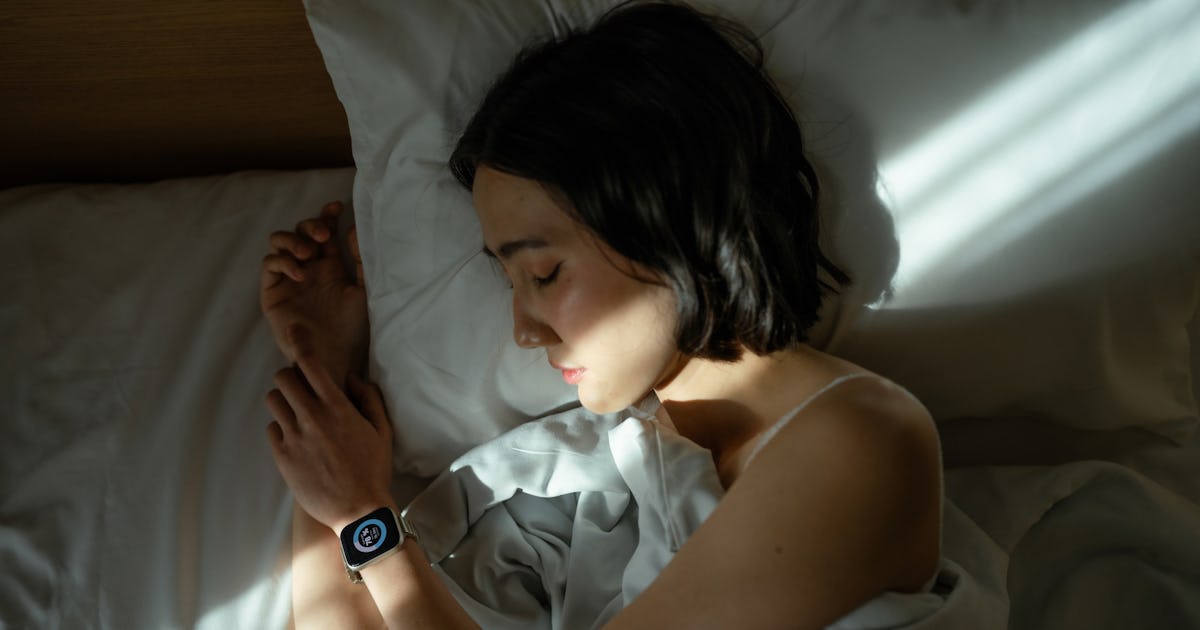
What distinguishes the Hikikomori (ESW) experience is not about the quality or even quantity of sleep; it's about when the sleep happens. Folks I tend to see report ten or more hours of shut-eye; however, it occurs from the wee hours until mid-day or even later. This is problematic because it places someone out of synch with social norms, where jobs and social lives are happening.
Mental health


Health
fromIndependent
10 months ago'This new regime, naturally, is hellish. But soon, the sleep drive adjusts' - Insomniac Tanya Sweeney on her search for a good night's sleep
Sleep struggles intensify with motherhood and mid-life, despite advancements in sleep hygiene and growing emphasis on sleep quality.
[ Load more ]