#sleep
#sleep
[ follow ]
#relaxation #insomnia #wellness #health #nutrition #mental-health #memory #dreams #anxiety #meditation #longevity #stress





fromSilicon Canals
3 weeks agoPsychology says adults who still sleep with the television on aren't just creatures of habit - many of them are filling the room with voices because at some point in their life the silence became the space where the worst thoughts lived, and a stranger talking about the weather at 2 AM is less frightening than whatever their own mind has to say when there's nothing else competing for the air - Silicon Canals
"The desire to avoid stress can also lead people to delay sleep, especially if they are preoccupied with thoughts about unfinished tasks or upcoming challenges."
Television


Mindfulness
fromSilicon Canals
1 month agoResearch suggests people who shower at night instead of in the morning aren't just washing off the day - they're running a neurological closing ritual that signals the nervous system the threat window has ended, and the water isn't cleaning the body, it's decommissioning a surveillance state that's been active since they opened their eyes - Silicon Canals
Night showers help signal the body to relax and switch off, contrasting with the alertness of morning routines.
Mindfulness
fromSilicon Canals
2 months agoPeople who can fall asleep within minutes of lying down usually share these 9 strengths - Silicon Canals
People who fall asleep quickly tend to let go of intrusive thoughts, use consistent routines, and demonstrate better stress management, focus, and emotional resilience.
fromArchitectural Digest
2 months agoWhat's the Best Bedroom Temperature, Even in the Winter?
What's the best bedroom temperature for a restful sleep? There are few things more annoying than lying under a warm blanket, covered in sweat-it's not much better to find yourself shivering in a chilly room. In either case, the temperature in our bedrooms has a major effect on how well we sleep and therefore on our overall wellness. But is there such a thing as a universally perfect number for optimal snoozing?
Wellness
fromSilicon Canals
2 months agoIf your nights feel like the only "me time," you're not alone-and there's a name for it - Silicon Canals
Last week, I sat on the couch in our apartment in Itaim Bibi after cleaning the kitchen, prepping Emilia's snacks, and texting my husband about a grocery list. It was past midnight. I wasn't even doing anything special. Just scrolling. I knew the alarm would go off at 7 a.m. and I'd regret it. Yet I stayed up anyway, savoring the quiet like it was contraband.
Psychology


fromSilicon Canals
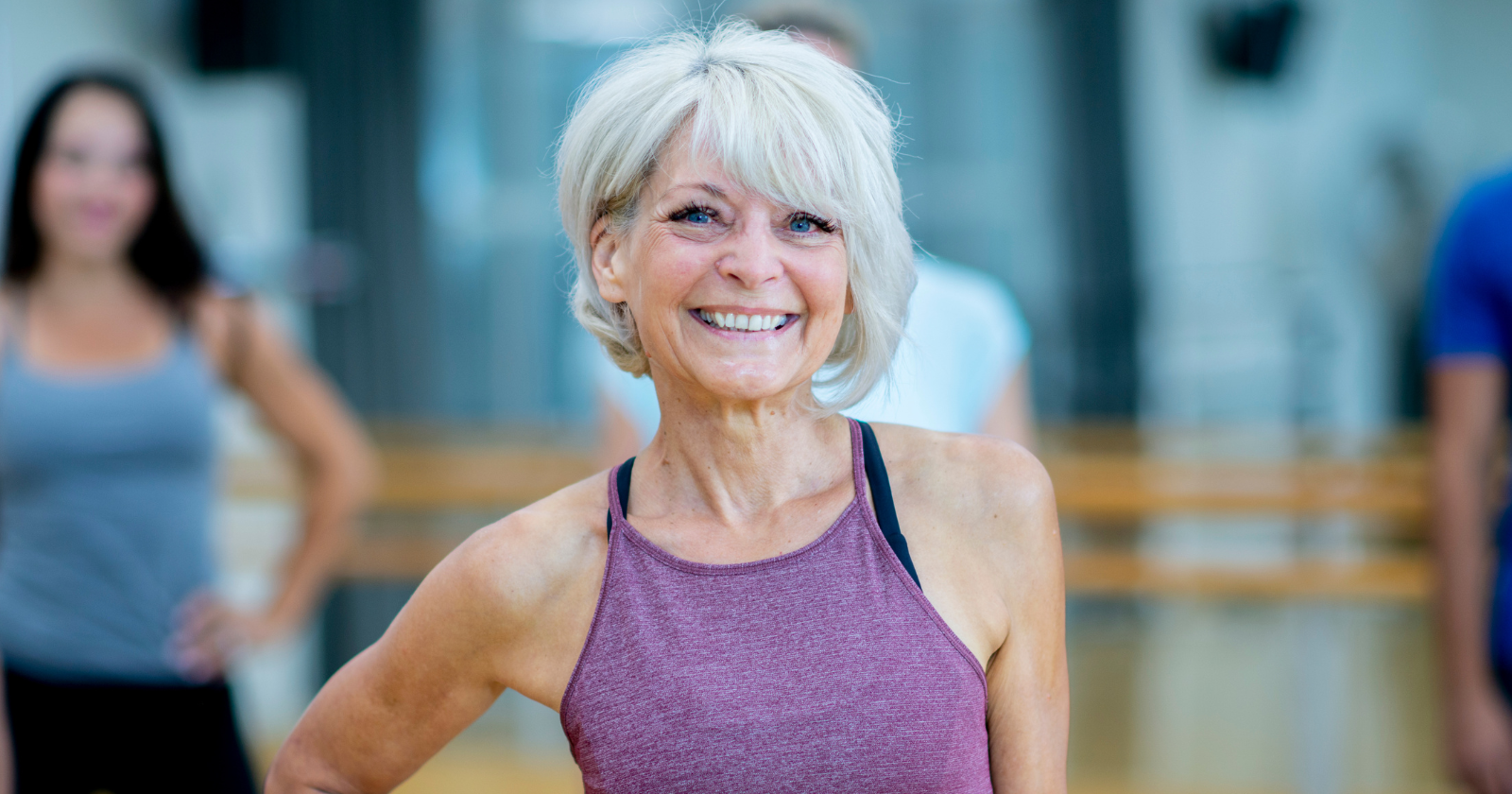
3 months agoPeople who look 15 years younger than their age but never exercise are all doing these same 10 things - Silicon Canals
You know those people who make you do a double-take when they mention their age? The ones who casually drop they're 52 but look like they could be in their mid-thirties? I met someone like this at a coffee shop last week. She mentioned her adult son was turning 30, and I nearly choked on my drink. I would've guessed she was maybe 40, tops. When I asked about her workout routine, she laughed and said she hadn't been to a gym in years.
Health
fromSilicon Canals
3 months agoIf you can't fall asleep without background noise, psychology says it reveals something deeper about your mind - Silicon Canals
Like clockwork, every night around 10 PM, I reach for my phone and open my white noise app. The familiar whoosh of ocean waves or steady hum of a fan fills my bedroom, and only then can I finally drift off to sleep. For years, I thought this was just a quirky habit I'd developed during college. But recently, I discovered there's actually fascinating psychology behind why some of us literally cannot fall asleep in complete silence.
Mental health
fromwww.theguardian.com
3 months agoDark showering: is this the very best way to wash?
Why would you do that? It's a way to remove distraction, calm your nervous system and practise mindfulness. And get clean. Yes, you also get clean. But this is more about finding those small, intentional moments that release you from the cares of your day. It sounds like an accident waiting to happen. You don't have to shower in complete darkness just in dim light, even by candlelight.
Mindfulness
fromSilicon Canals
3 months agoThe simple free habit that quietly upgrades your brain, heart, and sleep - Silicon Canals
When I first read that, I was skeptical. But after trying it myself and digging deeper into the studies, the mechanisms started making sense. When we actively look for things to appreciate, we're essentially rewiring our brain's default mode. Instead of scanning for threats and problems (which our brains love to do), we're training it to notice the good stuff. It's like changing the channel from a disaster documentary to something that doesn't spike your cortisol.
Mindfulness
Health
fromSilicon Canals
3 months agoDoctors are frantically warning people to STOP doing this one thing before bed - it's linked to early cognitive decline - Silicon Canals
Bedtime smartphone use and late-night screen exposure disrupt sleep and memory consolidation, causing measurable cognitive decline and impaired memory function.
Public health
fromwww.scientificamerican.com
3 months agoLike staying up late? You may be putting yourself at risk of heart problems
Habitual evening chronotypes have about a 16% higher risk of heart attack or stroke and exhibit more cardiovascular-risk behaviors like smoking, poor diet, and irregular sleep.
fromBusiness Insider
3 months agoA doctor says 'genetics aren't destiny' when it comes to fat loss and shares 3 simple ways to boost metabolism
"I can't tell you how many times I've had patients who have had so much trouble losing weight complain to me that their friends can eat whatever they want and never put weight on," Perlman, an integrative and functional medicine doctor and former chief medical officer for Mayo Clinic's integrative medicine program, told Business Insider. It's also one of the biggest misconceptions he hears about metabolic health.
Medicine

fromInverse
3 months agoDo Sounds Really Help Us To Sleep?
When we say that someone has "slept soundly," what do we mean? Basically, we mean that someone slept well, but the sound part is interesting, since in the 21st century, there's a whole subset of our culture obsessed with using soundscapes, music, and sleep stories to either fall asleep more easily, or, in a more dubious claim, to promote better sleep.
Mindfulness
fromYoga Journal
3 months agoNeed a Restful Night's Sleep? Here's a 10-Minute Yoga Practice You Can Do in Bed.
Throughout my teaching journey, I've learned that yoga doesn't have to be extreme to be effective. One of the most supportive ways I've found to meet people where they are is bed yoga. Students have shared with me how the bed-based practices on my YouTube channel have helped them move, breathe, and rest on days when getting out of bed simply isn't an option.
Yoga
fromAlternative Medicine Magazine
3 months agoBenefits from Essential Oils and How to Use Them
Essential oils' health benefits Essential oils can provide powerful physical, emotional, and environmental benefits-especially when used alongside other wellness tools. While individual experiences vary, some of the most commonly reported positive effects include: Stress and anxiety relief: Oils like lavender, chamomile, and bergamot can help ease tension via aromatherapy and massage. Better sleep: Research has linked lavender and chamomile to improved sleep quality, especially in postpartum women and those with heart conditions. Sharper focus: Peppermint, citrus oils, and frankincense may enhance mental clarity and alertness.
Alternative medicine
fromPsychology Today
3 months agoADHD Medications Work Differently Than Previously Thought
Attention-deficit-hyperactivity disorder (ADHD) includes a mix of ongoing challenges, such as having difficulty paying attention, hyperactivity, and impulsivity. In the U.S., ADHD afflicts an estimated 7 million children, ages 3 to 17. According to one study, among American children, the prevalence of this diagnosis rose from 6.1 percent in 1997-1998 to 10.2 percent in 2015-2016.[1] Children with ADHD often struggle with low self-esteem, have troubled relationships, and demonstrate poor school performance. Symptom severity and frequency may lessen with age, and while some people never completely "outgrow" their ADHD symptoms, they can develop ways to live with them successfully.
Mental health
fromFast Company
3 months ago3 ways to fall asleep faster, backed by decades of research
The 4-7-8 method Here's how it works. First, place the tip of your tongue against your two upper front teeth, and keep it there. (The goal is to inhale and exhale around your tongue.) Then: Breathe in through your nose while you count to four. Hold your breath while you count to seven. Purse your lips and exhale-you should make a "whooshing" sound-while you count to eight. Repeat up to four times.
Mindfulness



fromScienceDaily
3 months agoResearchers found a tipping point for video gaming and health
Spending more than 10 hours a week playing video games may begin to affect young people's eating habits, sleep quality, and body weight, according to new research led by Curtin University and published in Nutrition. The study surveyed 317 students from five universities across Australia. Participants had a median age of 20 years, placing the focus squarely on young adults during a key stage of habit formation.
Video games
fromBusiness Insider
4 months agoI worried my toddler would roam after moving to a bed. A new home security system made me feel safe again.
I wanted to help her sleep soundly in her new "big girl" bed. But once she did, I didn't expect my own sleep to continue to be disrupted as well. I woke up at every creak of the house, wondering if it was my daughter roaming around, exploring her newfound freedom. I knew it was incredibly unlikely, but I feared that she would unlock the door and walk outside in the middle of the night.
Parenting
fromwww.scientificamerican.com
4 months agoScientists Catch Jellyfish and Sea Anemones Behaving in Surprisingly Human Ways
The animals do, however, have neuronsnerve cells that appear interconnected throughout their body. And now a new study shows that how these animals sleep is surprisingly similar to humans, suggesting that sleep may have evolved before even the most primitive brains. The findings, published on Tuesday in Nature Communications, also help answer one of science's prevailing mysteries: Why do animals sleep?
Science
fromInverse
4 months agoThe Dream Of Life Without Sleep Is Actually A Dystopian Nightmare
We spend one-third of our lives asleep. This biological fact is something that, with time and technology, is less and less taken for granted. In many science fiction stories, the future of sleep is cozy and idyllic - an elevated state living within dream world. In others, sleep is more of an evolutionary shackle that gets in the way of productivity. The latter focuses on questions that haunt anyone who feels there are not enough hours in the day. What if we didn't have to sleep?
Philosophy
Productivity
fromBusiness Insider
4 months agoI wrote a book while working full-time. These 3 productivity habits helped me do it without sacrificing sleep.
An 80,000-word book can be researched and written in under a year while working full-time by prioritizing sleep, using productivity tools, and consistent daily effort.
fromPsychology Today
5 months agoHow Do You Catch a Trophy Idea? Deep Mind Fishing
"[My train of thought] let its line down into the stream. It swayed, minute after minute, hither and thither among the reflections and the weeds letting the water lift it and sink it until-you know the little tug-the sudden conglomeration of an idea at the end of one's line."
Science
fromBusiness Insider
5 months agoA founder marked his 55th birthday by sharing 55 reasons he feels healthier than ever. 5 could add 10 years to your life.
These tips point to what has been seen in many scientific studies - healthy behaviors such as maintaining an ideal body weight, keeping moving, eating a high-quality diet, getting enough sleep, and keeping your brain active are the best ways to optimize your aging. Moreover, evidence shows that doing all of these together can add 10 years to your life!
Health
fromwww.amny.com
5 months agoKush Queen brings wellness to the forefront of the cannabis industry | amNewYork
I feel like these days with cannabis, we see all sorts of stuff. But wellness, it's tapped into, but it's not as tapped into as what you would expect, like joints or vapes, said Sawyer. 20 years ago, it was nothing.
Wellness
fromIndependent
6 months agoTanya Sweeney: I've started waking up earlier to begin my day on my own terms instead of letting my child or an algorithm dictate my mood
I've surfaced from sleep in many weird, not-wonderful ways: waking up in my student accommodation in Maynooth to find I was not only in my boots, but sharing a single bed with two other fully grown people springs to mind.
Education
[ Load more ]