#gratitude
#gratitude
[ follow ]
#mental-health #thanksgiving #resilience #mindfulness #well-being #parenting #community #relationships
Relationships
fromSilicon Canals
1 month agoThe person who thanks the waiter every single time the glass gets refilled isn't trying to seem gracious - they never forgot what it felt like to be invisible in a service role - Silicon Canals
Acknowledging and respecting everyone, regardless of their role, fosters connection and appreciation in everyday interactions.
Psychology
fromSilicon Canals
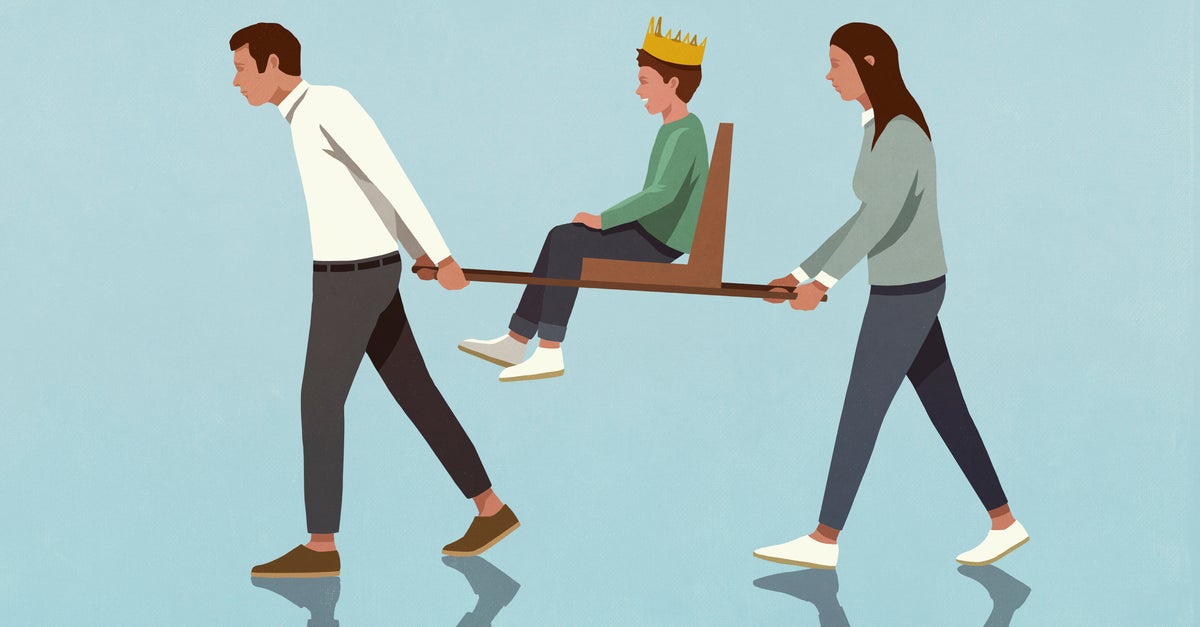
1 month agoThere's a specific kind of exhaustion that hits people who were raised to be grateful for everything, because gratitude became a cage where acknowledging your own unhappiness felt like ingratitude, and some people never found the door out. - Silicon Canals
Compulsory gratitude transforms an emotion into a form of surveillance, leading to emotional suppression and exhaustion for some individuals.


#appreciation
Mindfulness
fromPsychology Today
2 months agoUse This Word to Deepen Your Gratitude-It's a Game Changer
Appreciation extends beyond gratitude into five distinct forms—admiration, and others—that deepen emotional fulfillment by treating experiences and people as meaningful rather than merely noticing them.
fromDodgers Nation
2 months agoAlex Vesia strikes out Shohei Ohtani at spring training
I just want to start off by acknowledging my wife, Kayla, who is not only the strongest person that I know, but a support system for me every bit as much as I am for her. Part of what I am here to share is on behalf of the both of us. I will start off by thanking the Dodgers: Andrew Friedman, Brandon Gomes, Doc, the whole coaching staff, and all of my teammates.
Major League Baseball
fromPsychology Today
3 months agoEight Ways to Show Love to Your Love
Love is more than a physical attraction and belief in the concept of soul mates. Love is also about choices, decisions, and even forgiveness. Lasting relationships can thrive when partners: Gratitude strengthens love It was a conversation with John Kralik, author of 365 Thank Yous, that inspired Revitalize Your Love Life with a Three-Day Gratitude Plan. With the gratitude plan, you are essentially clearing out feelings that keep your relationship from thriving. The ultimate goal is to create a mindset for unconditional love.
Relationships
fromSilicon Canals
3 months agoPeople who say thank you to service workers often have these 7 traits that are increasingly becoming rare - Silicon Canals
Last week, I watched a young guy at the coffee shop make the barista's entire day. Not with a big tip or elaborate compliment, just a genuine "thank you so much" and eye contact that said he actually saw her as a person, not just a caffeine dispenser. The barista's shoulders relaxed, her smile turned real, and suddenly the whole atmosphere shifted.
Silicon Valley
fromwww.theguardian.com
3 months agoThe hill I will die on: Britons love saying thank you I think we should ban the phrase | Sangeeta Pillai
You get a coffee. The barista tells you how much you need to pay. You say thank you. They take your card for payment. They say thank you. They give you the coffee. You say thank you. They say thank you for your thank you. Then you say thank you for their thank you. By this point, the words thank you have lost all meaning, and both parties are exhausted by the pointless stream of politeness.
Relationships

fromSilicon Canals
3 months agoThe simple free habit that quietly upgrades your brain, heart, and sleep - Silicon Canals
When I first read that, I was skeptical. But after trying it myself and digging deeper into the studies, the mechanisms started making sense. When we actively look for things to appreciate, we're essentially rewiring our brain's default mode. Instead of scanning for threats and problems (which our brains love to do), we're training it to notice the good stuff. It's like changing the channel from a disaster documentary to something that doesn't spike your cortisol.
Mindfulness
fromBarca Blaugranes
3 months agoRonald Araujo speaks out after scoring on return to Barcelona starting XI in Copa del Rey win
"Very happy to be in the semifinals. We took it very seriously; we knew it wouldn't be easy," he said. "Cup matches aren't decided until the very end. They found a goal, and it's normal for them to come at you in the final minutes. The team knew how to handle it well. We're in the semifinals, and that's what's important.
FC Barcelona


Mindfulness
fromSilicon Canals
3 months agoPeople who still write thank-you notes by hand usually possess these 9 character traits that are rare today - Silicon Canals
Handwritten thank-you notes reveal deliberate effort, sincere gratitude, preserved voice, and character traits that deepen personal connection beyond digital messages.
fromCageside Press
3 months agoUFC 324's Rose Namajunas Up for "Super Crazy" White House Title Fight
Now, because I've done it so many times and I've been here for so long, I'm just cherishing the memories a little bit more. I'm paying attention to it a little bit more. Every time that there's other great fighters on the card, it just kind of builds the energy. We all kind of feed off each other too. So it's great.
MMA
fromPsychology Today
3 months agoTransforming Anger Into Harmony
Switching off negativity may take a process that involves neuroplasticity. According to Puderbaugh and Emmady ( Journal of Behavioral Science, 2023), "Neuroplasticity, also known as neural plasticity or brain plasticity, is a process that involves adaptive structural and functional changes to the brain." Simply put, it is "the ability of the nervous system to change its activity in response to intrinsic or extrinsic stimuli by reorganizing its structure, functions, or connections."
Psychology
fromwww.mercurynews.com
3 months agoMiss Manners: They saved me from a killer tomato. What's the appropriate response?
DEAR MISS MANNERS: I had a choking incident at the office today when I inhaled a cherry tomato. One of my direct reports did the Heimlich maneuver and helped loosen it, and then one of the guys from another department joined in to keep the tomato moving. As I recovered, a secretary from down the hall put a cold compress on my neck and forehead. I want to thank them, but don't quite know the right thing to do.
Relationships
fromPsychology Today
3 months ago3 Conversations Every Couple Needs to Have in 2026
There is something strangely refreshing about the new year. Perhaps it's the sense that time coheres into a neat box, or the psychological appeal of getting a brand-new start. Culturally, humans have an intuitive understanding that the new year is a time for stock-taking. In matters of the heart, this seasonal pause offers an opportunity to recalibrate with a spirit of intentionality. Couples that succeed are the ones that regularly have honest conversations.
Relationships
fromPsychology Today
3 months agoEvery Day You Get Closer to Your Death
Every day you get closer to your death. This is the phrase that shook me to my core when my high school teacher, Mr. Murphy, presented it in Religious Knowledge class. I was 14 years old. I immediately objected, calling it depressive in an attempt to protect my classmates-or perhaps myself. He looked straight at me and said, "It is simply the truth. Take it as you wish."
Mindfulness

fromwww.mercurynews.com
4 months agoAsking Eric: I texted him many useful tips and never got a word of thanks
It sounds like your friendship has a communication problem. You've expressed a want and your friend didn't acknowledge that want. It's understandable, then, that you'd feel disappointed. I imagine that if he's not hearing you when you ask for thanks, there may be other areas in which the two of you are disconnected. It's worth taking a step back and asking yourself what is most important in this relationship and how you can meet each other in the middle.
Relationships
fromPsychology Today
4 months agoHere Comes the New Year and a Story of Hope and Music
And, I'm grateful for my work - for being able to bring music, something beautiful, into the worlds of those who are truly suffering and provide some reprieve that helps in a small way. That brings some comfort, and maybe even some joy during a joyless time. I'm grateful that I get to connect with them through the healing power of music.
Music
fromPsychology Today
4 months agoIs Your Partner Grateful? Why Gratitude Matters
They help each other cope with difficulties, survive, and thrive together. That shared assistance contributes to their relationship satisfaction too. Even so, the supportive exchange between romantic partners is not a business transaction. Instead, like most processes of romantic attraction, it is both practical and emotional. Thus, we don't just mechanically reciprocate with a romantic partner; we feel and express gratitude for their efforts too. In turn, they feel grateful and express their gratitude back to us, creating a virtuous cycle of support and satisfaction.
Relationships
fromPortland Mercury
4 months agoThank You TriMet Operators Who Keep It Warm
Nothing sucks more than being soaking wet and being stuck on somebody's bus with zero heat and most of the windows open. It's official winter and it can get quite cold. Even the vibe can get kind of dark and make everyone, not just myself, miserable.
Wellness
fromPsychology Today
5 months ago3 Proven Habits That Boost Happiness Fast
In these times of divisiveness, negative news cycles, and gloomy winter months, it can feel hard to keep our spirits up. But you have way more power over your state of mind than you realize, as my colleagues and I have researched and as I discuss in my new book SOVEREIGN: Reclaim Your Freedom, Energy, and Power in a Time of Distraction, Uncertainty, and Chaos.
Mindfulness
fromPsychology Today
5 months agoThe Gift of Gratitude: Why We Can't Thank Ourselves
Self-gratitude doesn't quite make sense because gratitude inherently involves acknowledging that the sources of goodness in our lives reside outside ourselves. When I "thank myself," what I truly mean is that I'm proud of myself. But pride and gratitude are different. When I feel proud, I attribute positive outcomes to my own efforts. Gratitude, however, recognizes external contributions -people around me, a higher power, nature, good fortune, and circumstances beyond my control.
Mindfulness
Mental health
fromWashingtonian - The website that Washington lives by.
5 months agoNot Feeling Festive This Year? You're Not the Only One.
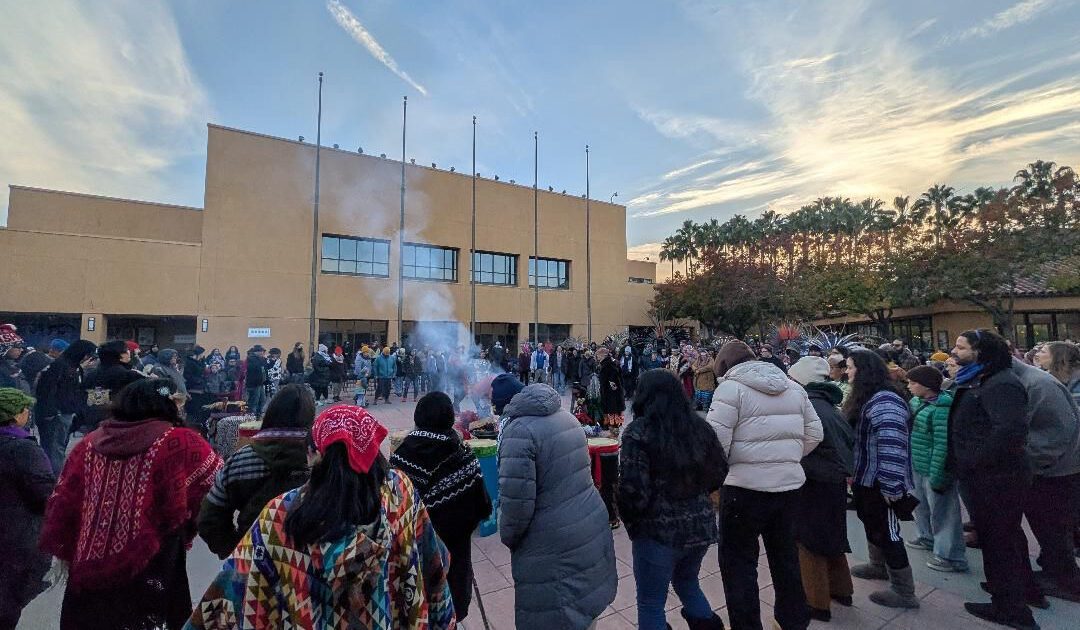
Holiday season often increases stress and anxiety; using gratitude, grounding, honest family communication, and reframing celebrations can reduce pressure and support wellbeing.




Business
fromBusiness Insider
5 months agoMy kids are growing up rich - and I'm scared they'll never understand how lucky they are
Center children's lives on gratitude and intentionally teach about financial privilege while parents address their own money hang-ups to model appreciation and responsibility.
fromPsychology Today
5 months agoHolidays After Divorce When You're Not With Your Kids
One of the biggest adjustments newly minted single parents must make following a separation or divorce is adjusting to holidays without their children present, or present for only part of the time. Whether the kids are babies, teens, or young adults, the result can be an unfamiliar silence that can take some getting used to. As a family law attorney and divorced single mom (of four adult children) who remarried a divorced single dad of two more than a decade ago, my husband and I have walked (and are still walking) this road, just like you may be this holiday.
Parenting
fromPsychology Today
5 months agoWhen Gratitude Turns Into Gaslighting
It's that time of year. The holiday season is filled with constant reminders to be more grateful and count your blessings. This rise in gratitude is the result of extensive research in the field of positive psychology touting its benefits on emotional well-being, sleep quality, interpersonal relationships, and overall health (1-4). Considering these benefits, you might be eager to encourage loved ones to practice more gratitude as a way to better cope with life's challenges.
Mental health
fromPsychology Today
5 months agoChasing Perfection in Bipolar Disorder
Bipolar disorder I and II are each marked by lengthy periods of a depressive episode, which is expressed in a change in appetite (more or less eating), a change in sleep (more or less of it), anhedonia (i.e., the inability to experience pleasure in activities in which one did), and apathy (i.e., not caring about anything, including, at times, even pursuing treatment).
Mental health
fromwww.theguardian.com
5 months agoGratitude can be truly healing but you need more than a checklist
In that moment, something clicked. I felt the rush and the relief of sudden emotional clarity. I think this came from seeing that my psychoanalyst, by not apologising to appease my anger, by not taking an easy way out of the conflict, by persisting in offering me her honest thoughts about what was going on in my mind and by bearing my struggle to take them in, was giving me an extremely rare and precious experience.
Mental health
fromPsychology Today
5 months agoEmbrace the Now-verse, Life Is Not for the Dead
Everyone's heard that expression, "Life is for the living." I've always assumed living in this context was a noun referencing all people currently alive. Now I'm looking at it as a verb. Think of it as a verb, as an action, as I say that life exists not for the dying of it, but for the living of it. Well, of course, right? Living occurs right now, in the present. Life is a gift.
Mindfulness
fromBattery Power
5 months agoFinding thankfulness and gratitude in a trying 2025
It is a beautiful, late autumn morning as I sip a cup of coffee and watch the lingering, golden yellow leaves of a maple tree fall gently to the ground. The smell of banana bread completing its final minutes of baking wafts through the air. For this, I am thankful. This is the fifth consecutive year that I've been fortunate enough to publish this editorial here at Battery Power.
Atlanta Braves
Mindfulness
fromSlate Magazine
5 months agoI'm a Career Food Professional. But There's One Part of the Thanksgiving Meal I've Never Mastered-Until Now.
Practicing a brief blessing before meals can cultivate gratitude and mental health, even for someone raised agnostic and skeptical of organized religion.
fromBig Think
5 months ago10 scientific phenomena to be thankful for every day
Every day, we have a choice whether we take our lives, our existence, our freedoms, and our moments for granted, or whether we express appreciation and gratitude for the good things that exist. The biggest unifier that all human beings have in common, that we all exist on the same world and in the same Universe, never gets the due it deserves. Here and now, it's possible for us to exist, and to exist as long as our natural lifespans will allow us.
Philosophy
fromeLearning Industry
5 months agoGiving Thanks To Your Team: How Gratitude Boosts Learning In The Workplace
It's a season for warm messages and "thank yous." This is why Thanksgiving serves as a reminder of the power of genuine gratitude in learning and the workplace, as well. In today's world of remote teams, deadlines, and constant learning, employees can easily feel overwhelmed. A simple "I appreciate you" can make a big difference to your team, as it can change the mood of the day, create a sense of connection, and remind everyone that their work is important.
Mental health
fromPsychology Today
5 months agoGratitude and Huntington's Disease
I've never cared much for Thanksgiving. As a child, the forced family gathering was tolerable only because it marked the halfway point to Christmas (if we are measuring from Halloween, which is what we do in holiday math). As an adult, I came to understand some of the complications in celebrating a holiday with such a (distinctly American) white-washed backstory.
Medicine
fromPsychology Today
5 months agoThe Gratitude Paradox of First Responders
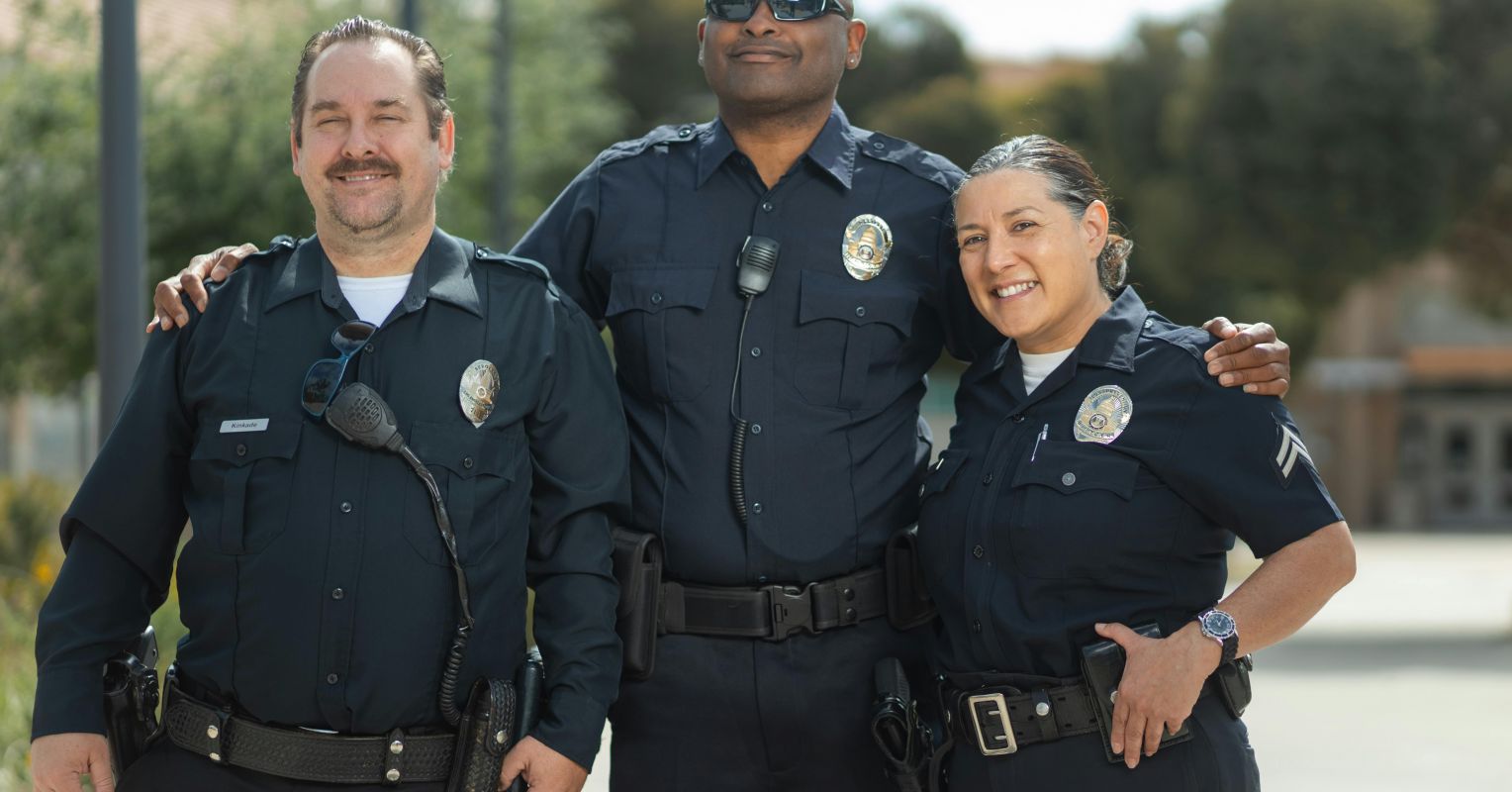
There is a particular ache that comes with knowing your family is seated at the dining room table, and a chair is conspicuously empty where you should be. This is the paradox of the first responder's life: serving the community, often witnessing the worst of humanity, while your own family sits comfortably at home, missing you. Yet within this tension lies something profound-a wellspring of meaning and gratitude that, when recognized, can transform a difficult shift into something sacred.
Mental health
[ Load more ]