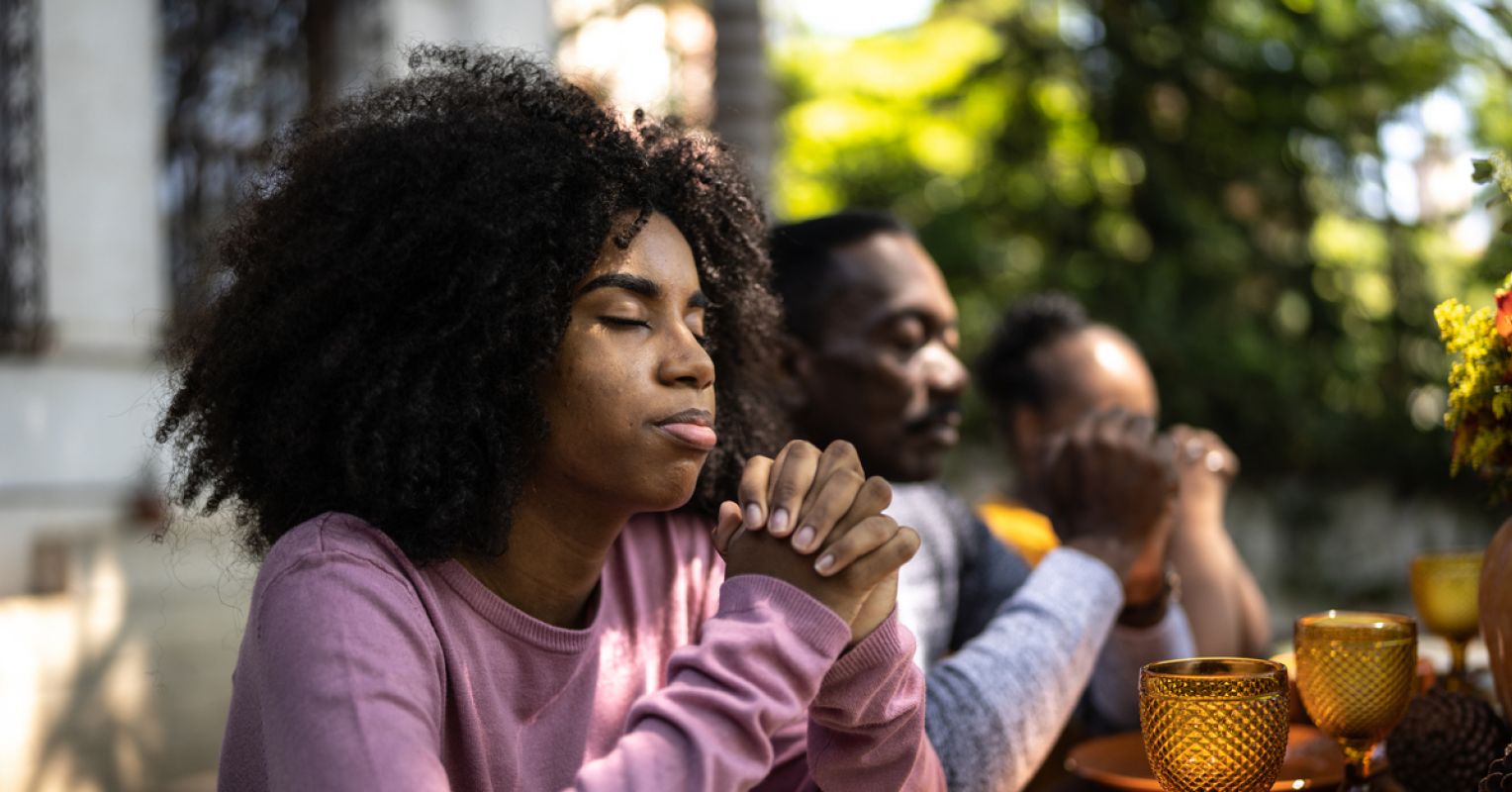
"When the world feels chaotic-when grief, uncertainty, or heaviness settles into your body-gratitude can feel distant. Yet these are often the very moments when giving thanks becomes a steadying force. Naming what we're grateful for can't erase hardship, but it can anchor us. It reminds us what is good and what is possible, even in the hardest seasons. Gratitude, from the Latin gratus-thankful, pleasing-is a multidimensional experience."
"At its core, it's an appreciation for what's valuable and meaningful to you. It shows up as a virtue, a pleasure, an emotion, and a habit: being thankful for an act of kindness, feeling the lift that comes from noticing what's good in your life, and practicing that awareness over time. Gratitude offers social, physiological, and neurological benefits. And thank goodness for thankfulness: Cultivating a gratitude practice, much like exercising regularly, strengthens your capacity to feel and express gratitude more often."
"Psychologically, expressing gratitude during uncertainty supports emotional regulation. It quiets the nervous system, eases stress, and gently shifts the mind's focus from fear toward connection. Research shows that naming what we're grateful for activates brain regions linked to resilience and peace. Gratitude offers balance when everything around us feels imbalanced. For Black folk, this practice lives deep in our collective memory. Gratitude has long been a survival skill-carried through the Middle Passage,"
Gratitude acts as an anchoring practice during grief, uncertainty, and heaviness by naming what is good and possible even amid hardship. Gratitude is multidimensional: appreciation of what is meaningful, a virtue, a pleasure, an emotion, and a habit that strengthens with practice. The practice yields social, physiological, and neurological benefits and, like exercise, increases capacity to feel and express thankfulness. Psychologically, gratitude supports emotional regulation, calms the nervous system, eases stress, and shifts focus from fear toward connection. For Black communities, gratitude has functioned historically as a survival skill transmitted across generations.
Read at Psychology Today
Unable to calculate read time
Collection
[
|
...
]