#guilt-and-desire
#guilt-and-desire
[ follow ]
#psychology #mental-health #personal-growth #relationships #self-awareness #intimacy #self-reflection
#loneliness

Mental health
fromSilicon Canals
5 days agoLoneliness doesn't always look like an empty room. Sometimes it looks like a person who laughs at every joke, remembers every birthday, shows up at every event, and drives home afterward in total silence wondering why none of it ever reaches the part of them that's still starving. - Silicon Canals
Social starvation and social performance can coexist, leading to a deeper crisis of loneliness that isn't solely defined by the absence of social contact.
fromSilicon Canals
1 week agoRelationships
The cruelest form of loneliness isn't having nobody. It's having people who love you in a way that doesn't quite reach the part of you that needs reaching, so you feel guilty for still being hungry at a table that everyone else thinks is full. - Silicon Canals
Psychology
fromSilicon Canals
4 hours agoPsychology says the loneliest form of love isn't being unloved its being adored for a version of yourself you've been performing so long that the real you has started to feel like the imposter - Silicon Canals
The worst loneliness is being loved for a false self that no longer exists.
Mental health
fromSilicon Canals
5 days agoLoneliness doesn't always look like an empty room. Sometimes it looks like a person who laughs at every joke, remembers every birthday, shows up at every event, and drives home afterward in total silence wondering why none of it ever reaches the part of them that's still starving. - Silicon Canals
Social starvation and social performance can coexist, leading to a deeper crisis of loneliness that isn't solely defined by the absence of social contact.
Relationships
fromSilicon Canals
1 week agoThe cruelest form of loneliness isn't having nobody. It's having people who love you in a way that doesn't quite reach the part of you that needs reaching, so you feel guilty for still being hungry at a table that everyone else thinks is full. - Silicon Canals
Loneliness can persist even in loving relationships when emotional needs remain unmet and unexpressed.
#child-development
Parenting
fromSilicon Canals
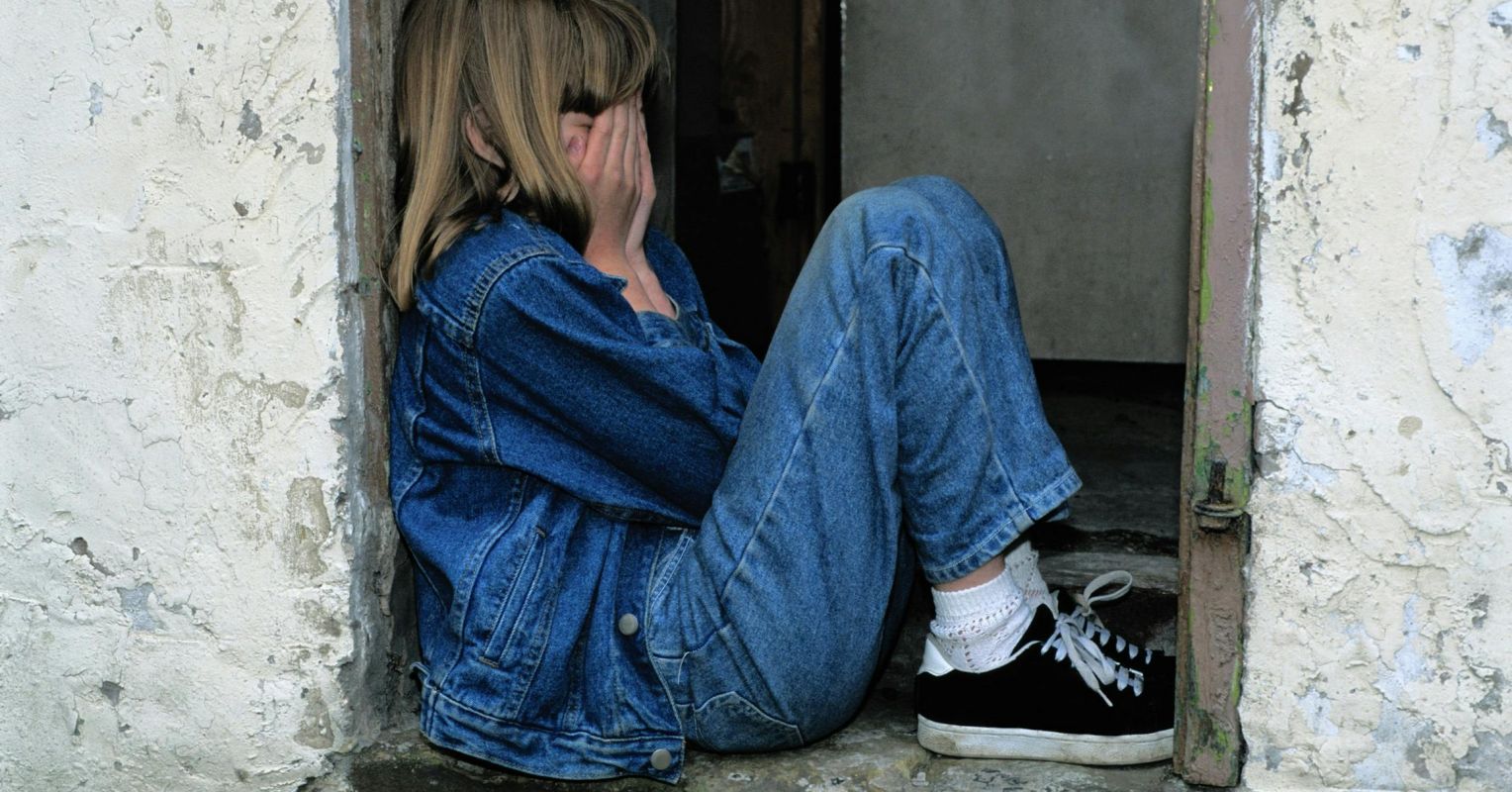
43 minutes agoThe people who were praised for being mature as children and punished for being needy as adults, and the decades it takes to untangle which one was actually true - Silicon Canals
Maturity in children often reflects adult expectations, leading to long-term consequences for the child's emotional development.
Relationships
fromSilicon Canals
1 day agoI'm 37 and I finally understand why I keep saying yes to things I want to say no to - psychology calls it "fawning" and once you see it you can't unsee it - Silicon Canals
Fawning behavior leads to difficulty in saying no, causing resentment despite self-awareness and understanding of its irrationality.
Productivity
fromSilicon Canals
2 days agoPsychology says people who need to finish the chapter before they can put the book down aren't obsessive - their brain treats an unfinished narrative the same way it treats an unresolved argument, as an open loop that will consume background processing power until it closes, and that inability to stop mid-chapter isn't about the book, it's about a mind that cannot rest inside something incomplete - Silicon Canals
The brain's need for closure drives the compulsion to finish reading or resolving incomplete tasks.
#success

Mindfulness
fromSilicon Canals
4 days agoI turned 34 before I finally understood: no one is on their way to rescue you, no one is tallying your effort, and life doesn't wait for you to feel ready - it just keeps moving without you - Silicon Canals
Success is not guaranteed by effort alone; waiting for recognition can lead to disappointment.
Mental health
fromSilicon Canals
1 day agoPsychology says the unhappiest men in any room aren't the ones who complain - they're the ones who've become so skilled at performing contentment that they've lost the ability to locate their own actual feelings beneath the performance - Silicon Canals
Many men mask their true feelings behind a facade of competence and ease, leading to emotional disconnection and confusion about their own emotions.
Relationships
fromSilicon Canals
2 days agoPsychology says people who find genuine peace after 60 didn't get there by solving their problems - they got there by finally accepting which ones were never going to be solved and releasing the grip they'd been keeping on a version of life that was never coming, and that surrender isn't giving up, it's the first honest breath most people take in decades - Silicon Canals
Letting go of alternate lives and accepting the past brings peace as one ages.
#happiness

Psychology
fromSilicon Canals
3 weeks agoPsychology says people who seem genuinely happy aren't people who have more - they're people who stopped measuring what they have against what they imagined they should have by now - Silicon Canals
Imagined life standards create a perpetual sense of inadequacy, while true happiness comes from questioning these standards rather than merely achieving them.
Psychology
fromSilicon Canals
3 weeks agoPsychology says people who seem genuinely happy aren't people who have more - they're people who stopped measuring what they have against what they imagined they should have by now - Silicon Canals
Imagined life standards create a perpetual sense of inadequacy, while true happiness comes from questioning these standards rather than merely achieving them.
Psychology
fromSilicon Canals
23 hours agoPsychology suggests people who follow through on small promises to themselves aren't just building habits - they're constructing the internal evidence that they can be trusted, which is the actual foundation of lasting self-discipline - Silicon Canals
Self-discipline is shaped by accumulated evidence of personal commitments rather than mere willpower.
Mental health
fromSilicon Canals
2 days agoPsychology explains people who forgive easily aren't weak or naive - they've simply done the math on what resentment actually costs the person carrying it and decided the debt isn't worth collecting, because forgiveness isn't about the other person deserving peace, it's about refusing to let someone who already hurt you once continue to take up space in a body they no longer have any right to occupy - Silicon Canals
Forgiveness is essential for personal well-being and mental health, freeing individuals from the burden of resentment.
Relationships
fromSilicon Canals
3 days agoPsychology says people who keep their car immaculately clean while their house is a mess aren't inconsistent - the car is the one space in their life that is entirely theirs with no shared ownership and no negotiation required, and the cleanliness of it reflects the level of care they're capable of when they don't have to accommodate another person's standards or compromise their instincts to keep the peace - Silicon Canals
Pristine cars reflect personal space and autonomy, contrasting with the stress of shared living environments.
Psychology
fromSilicon Canals
2 days agoPsychology says people who constantly apologize for things that aren't their fault aren't being polite. They grew up in an environment where someone else's bad mood was always their responsibility to fix - Silicon Canals
Over-apologizing often stems from childhood experiences that teach individuals to manage others' emotions, leading to chronic self-blame and anxiety.
Mental health
fromSilicon Canals
2 days agoPsychology says the reason so many people crash emotionally in their early 60s isn't retirement or aging - it's the first time in decades they've had enough silence to hear their own thoughts and they don't recognize the person thinking them - Silicon Canals
Highly functional individuals often face delayed emotional collapse in their sixties due to decades of avoidance and relentless life pressures.
Psychology
fromSilicon Canals
1 day agoThere's a specific kind of adult who apologizes for crying even when they're alone, and it isn't sensitivity, it's the residue of a childhood where emotion was something you were expected to clean up before anyone saw the mess - Silicon Canals
Adults who were invalidated in childhood often apologize for their emotions, reflecting deep-seated patterns of emotional suppression.
Relationships
fromSilicon Canals
5 days agoPsychology suggests you will always push away good things if your subconscious mind doesn't believe you deserve them - and most people who do this don't recognize it as pushing, they just wonder why nothing good ever seems to stay - Silicon Canals
Self-sabotage often occurs unconsciously, pushing good things away despite a desire for improvement.
Mindfulness
fromSilicon Canals
2 weeks agoPsychology says the people who look back at the end of their lives with the least regret aren't the ones who made the fewest mistakes - they're the ones who were most fully present for the life they were actually living, who didn't spend it waiting for a better version to begin, who loved the people in front of them rather than the idea of people, and who understood, early enough to act on it, that this was always the whole thing and there was never going to be another one - Silicon Canals
Presence, not perfection, leads to a life without regret at the end.
Psychology
fromSilicon Canals
2 days agoPsychology says people who reach their 60s without close friends aren't the ones who lost everyone along the way - many of them made a series of quiet, deliberate choices over decades to stop investing in relationships that required them to perform, accommodate, or shrink, and what looks like loneliness from the outside is often the result of finally choosing themselves - Silicon Canals
Many older adults choose solitude over draining relationships, prioritizing deeper connections over maintaining superficial friendships.
Mental health
fromSilicon Canals
5 days agoPsychology suggests men who are deeply unhappy in life but hide it well aren't being strong - they're running a performance that costs them every real connection they have, and the people closest to them almost never see it coming - Silicon Canals
Men often mask their depression with busyness and distraction, making it difficult to recognize their true emotional state.
Mental health
fromSilicon Canals
6 days agoPsychology says people who describe themselves as self-sufficient aren't always describing a strength. Sometimes they're describing the scar tissue that formed where the need for other people used to be, and they've carried it so long they genuinely mistake the numbness for peace. - Silicon Canals
Self-reliance is often mistaken for strength, but true strength includes the ability to seek help and share vulnerabilities.
#people-pleasing
Psychology
fromPsychology Today
3 days agoThe People-Pleaser's Misunderstanding of Another's Approval
People-pleasers seek approval to heal relationships, while perfectionists often withhold praise due to fear of vulnerability and high standards.
Psychology
fromSilicon Canals
3 weeks agoPsychology says the worst part of people-pleasing isn't the exhaustion - it's realizing that no one actually knows you because you never gave them the real version - Silicon Canals
People-pleasing leads to exhaustion and prevents genuine intimacy, as it creates a façade that others connect with instead of the true self.

Psychology
fromSilicon Canals
3 weeks agoPsychology says the worst part of people-pleasing isn't the exhaustion - it's realizing that no one actually knows you because you never gave them the real version - Silicon Canals
People-pleasing leads to exhaustion and prevents genuine intimacy, as it creates a façade that others connect with instead of the true self.
#solitude
Psychology
fromSilicon Canals
4 days agoResearch suggests that people who say they prefer being alone aren't always telling the truth. Many of them preferred connection until it repeatedly disappointed them, and solitude became the story they told to make the disappointment portable. - Silicon Canals
Solitude is often misinterpreted as a preference, when it may actually be an adaptation to past relational failures.
Mental health
fromSilicon Canals
2 weeks agoPsychology says people who genuinely enjoy being alone aren't missing the need for connection - they've located the one condition under which their full self is available, and that condition happens to require an empty room, and there is nothing wrong with that except that the world was not designed with them in mind and has been making them feel guilty about it ever since - Silicon Canals
Society often mislabels the need for solitude as a deficiency, while those who recharge alone are more emotionally stable and focused.
Psychology
fromSilicon Canals
6 days agoPsychology says people who genuinely prefer being alone aren't antisocial or damaged - they've simply discovered that their own inner world is more honest, more interesting, and less exhausting than most rooms full of people, and that realization doesn't make them lonely, it makes them selective - Silicon Canals
People who prefer solitude are motivated by internal rewards and find fulfillment in solitary activities rather than social interactions.
Psychology
fromSilicon Canals
4 days agoPsychology says the art of not caring what others think isn't something you decide to do one day - it's a quiet skill built over years of noticing how much of your life was being shaped by opinions of people who weren't actually paying attention to you in the first place - Silicon Canals
People overestimate how much others notice their actions and appearance, leading to unnecessary self-consciousness.
Relationships
fromSilicon Canals
2 weeks agoPsychology says people who crave both complete freedom and deep companionship aren't confused - they're experiencing the central tension of the human condition, and the people who resolve it aren't the ones who choose a side but the ones who stop treating it like a choice - Silicon Canals
The autonomy-connection paradox highlights the human need for both independence and intimacy in relationships.
Psychology
fromSilicon Canals
5 days agoPsychology says people who randomly cringe at past memories have a level of self-awareness that most people never develop - because the cringe only exists when a person is emotionally intelligent enough to look back at who they were and recognize the distance between that version of themselves and the one standing here now, and that distance is called growth even when it feels like shame - Silicon Canals
Cringing at past actions signifies emotional growth and self-reflection, indicating a recognition of personal development over time.
Psychology
fromSilicon Canals
6 days agoThere's a specific kind of person who can give the most precise, compassionate advice to everyone around them and then make the worst possible decisions for their own life. The clarity isn't selective. It's that they can only see patterns when they're not standing inside them. - Silicon Canals
People excel at identifying cognitive biases in others but struggle to recognize them in themselves, leading to a phenomenon called the bias blind spot.
fromPsychology Today
2 months agoThe Link Between Thinking and Being
Metaphors are linked to how we experience the world around us, according to seminal work by researchers George Lakoff and Mark Johnson. In English, we "move forward" with our lives and don't "retreat into" the past. We speak about people who are "cold as ice" and "heavy" matters we need to resolve. Some of these metaphorical expressions are more than just, well, expressions-they are actually based on our sensory experiences. This mind-body link is called "embodied cognition."
Science
Psychology
fromSilicon Canals
2 weeks agoPsychology says the most emotionally strong people aren't the ones who never fall apart - they're the ones who fall apart privately, reassemble without fanfare, and never use their recovery as a reason for anyone else to feel guilty - Silicon Canals
Emotional strength involves acknowledging feelings and recovering privately, not denying vulnerability or pretending to be unbreakable.
Mental health
fromSilicon Canals
1 month agoPsychology says the reason you feel guilty when you rest isn't laziness. It's because someone once made you believe your worth was only measured by what you produced. - Silicon Canals
Productive guilt stems from childhood conditioning where love and approval were tied to achievement, making rest feel psychologically threatening and triggering deep-seated fear of worthlessness.
Psychology
fromSilicon Canals
1 month agoPsychology says if you still feel guilty spending money on yourself even when you can afford it, you display these 8 deeply ingrained traits - Silicon Canals
Guilt when spending money on oneself stems from deeply ingrained psychological patterns, often rooted in childhood experiences and an overdeveloped sense of responsibility for others' needs.
fromPsychology Today
1 month ago3 Reasons You Feel Guilty for Wanting More
Humans are wired for growth. Self-determination theory shows that well-being depends on three core needs: autonomy, competence, and relatedness. Interestingly, meeting external markers of success does not guarantee these needs are met internally. You can have stability without autonomy, comfort without meaning, or connection without authenticity.
Psychology
fromPsychology Today
2 months agoThe Mind's Search for Meaning
Have you ever experienced an encounter with an image in the sky or thought that the lyrics to your favourite song related to your personal life? These are examples of having moments that are either unsettling, poetic, or just plain strange. Such experiences are known as apophenia, expressions of our innate tendency to find patterns and attribute meaning to things that are random.
Psychology
Psychology
fromSilicon Canals
2 months agoQuote of the day by Carl Jung: "Until you make the unconscious conscious, it will direct your life and you will call it fate" - Silicon Canals
Unconscious patterns and autopilot behavior drive most decisions, causing repeated life outcomes until they are consciously examined and changed.
[ Load more ]