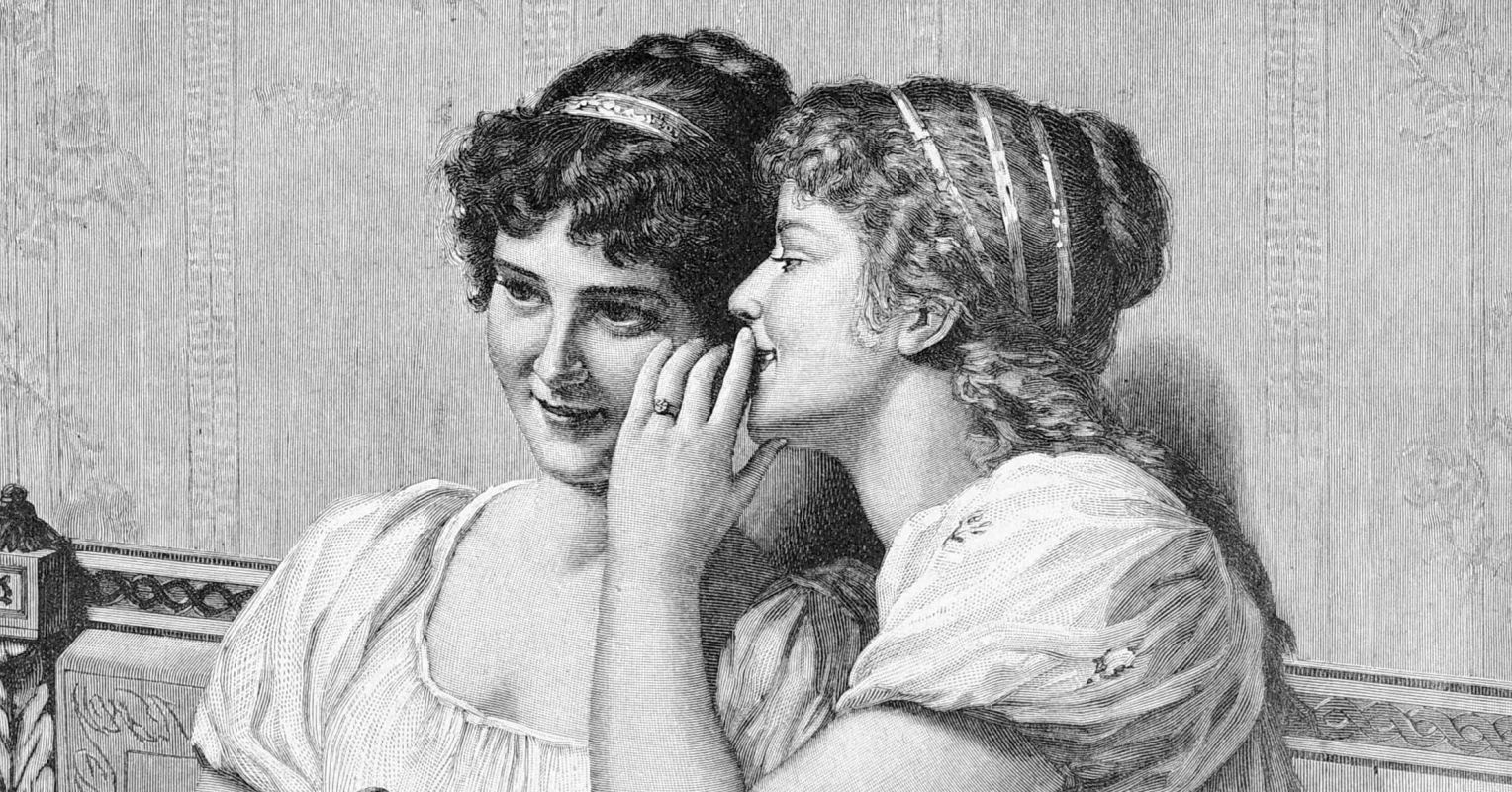
"Secrets among friends were a form of bonding, and keeping someone's secret was a sign of loyalty. Who told you their secret, and to whom you told your secret, reflected a hierarchy of trust. Best friends were lost or found through their ability to be a container for what you did not want others to know."
"Swiss analytic psychologist Carl Jung used the term "shadow" to describe aspects of ourselves we believe are undesirable and repressed. These would include our fantasies, desires, instincts, negative feelings like anger, or positive aspects like creativity. What frightens us about ourselves, what feels endangering, we keep blocked off from our conscious mind—in other words, our private secrets."
"Relief arrives when we share what has been hidden, and our whole authentic self is recognized and accepted. Secrets also intrigue us. They are a source of mystery, even excitement, and make up the structure of thrillers and true-crime stories, fantasy literature, fairy tales, or fiction."
Secrets serve dual functions in human experience: socially, they create hierarchies of trust and belonging within groups, with exclusion from secret-sharing circles causing feelings of unworthiness. Psychologically, humans maintain secrets from themselves about uncomfortable or frightening aspects of identity, which Swiss psychologist Carl Jung termed the "shadow"—repressed fantasies, desires, instincts, and emotions. Contemporary memoirs reveal how individuals keep secrets about abuse, sexual orientation, gender identity, and illness. Relief and authenticity emerge when hidden aspects are shared and accepted. Secrets also captivate human imagination, forming the foundation of thrillers, true-crime narratives, and fiction, demonstrating their fundamental role in both social bonding and psychological complexity.
#secrets-and-social-bonding #psychological-shadow-and-repression #authenticity-and-self-disclosure #trust-hierarchies #narrative-and-mystery
Read at Psychology Today
Unable to calculate read time
Collection
[
|
...
]