The technology giant announced Thursday that it has rolled out several AI-enabled shopping functions just ahead of the holidays. The features pair with other AI-enabled capabilities Google has already launched, including a way to track items' prices and virtual try-on options that allow a user to see how clothing looks directly on their body. Google said it has made conversational commerce, both with its large-language model (LLM), Gemini, and its search tool, which it calls AI Mode, easier for consumers.
To prepare for a future in which AI can make purchases on your behalf, companies are laying the groundwork for agentic transactions, and PayPal is the latest to join the effort. Also: I let ChatGPT Atlas do my Walmart shopping for me - here's how the AI browser agent did On Tuesday, the company launched its agent commerce services, a suite of solutions designed for merchants to enable AI-driven shopping experiences that build on PayPal's existing payment infrastructure.
This bifurcation, according to Stern, is at the separation of commodity buying and experience-based shopping. On the one hand, if someone wants a commodity item or a widely available brand, almost any store will do. A shopper might ask ChatGPT to order more Tide laundry detergent, and not care who sells it. What matters is getting Tide delivered quickly at a low price.
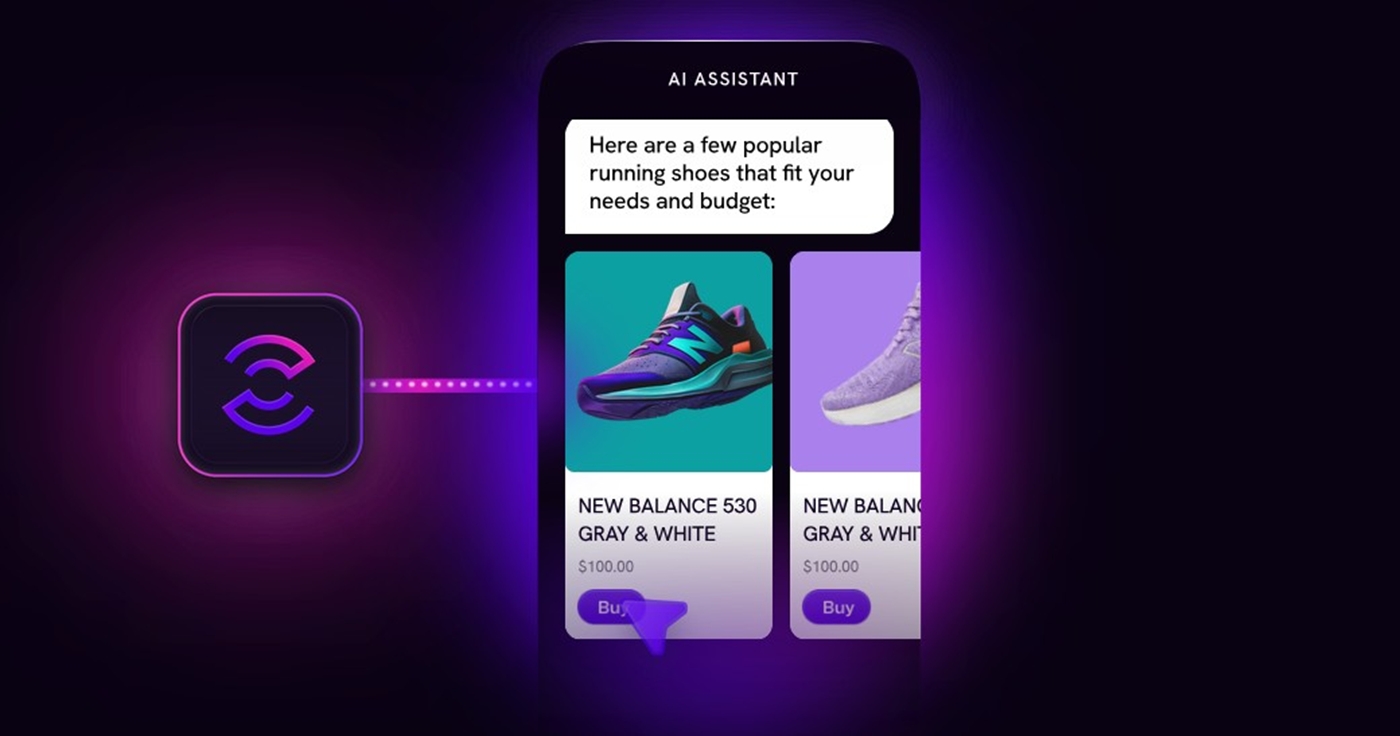
What if your next online shopping experience didn't require endless scrolling, multiple tabs, or even visiting a website? Imagine asking a chatbot for the perfect pair of running shoes, receiving tailored recommendations, and completing your purchase, all within the same conversation. This isn't a glimpse into a far-off future; it's the reality Shopify is creating with its new integration of ChatGPT-powered agentic commerce. By blending conversational AI with e-commerce, Shopify is not just refining how we shop, it's fundamentally redefining it.
Agent Payments Protocol (AP2) is a new open standard that lets AI agents complete purchases on a consumer's behalf - safely, with proof of consent and with clear accountability if something goes wrong. Think of it as the missing payments layer for "agentic commerce," where shoppers increasingly delegate tasks like research, comparison and checkout, to AI assistants that operate across sites and apps.