Picture this: You're browsing for a new place to play online bingo. The welcome bonus looks good, the games seem varied enough, and the reviews are decent. You create an account, then reach the payment page. There's that familiar blue PayPal logo staring back at you. You click it without a second thought because, well, that's just what everyone uses, isn't it?
You're on your MacOS device, shopping for a holiday gift for your loved one. You find the perfect item and decide it has to be purchased. You go through the shopping cart process and decide to pay with PayPal. You click the pay button, and nothing happens. Nothing. You click the pay button again, and nothing happens. Again and again and again... with no results. What gives?
Players today expect fast, secure and familiar ways to move money in and out of their accounts, making a case for trusted platforms like PayPal. Many of the best PayPal casinos have gained loyal followings precisely because they offer seamless transactions, minimal processing delays and strong buyer protection measures. And, of course, if players find such experiences, they will likely become loyal.
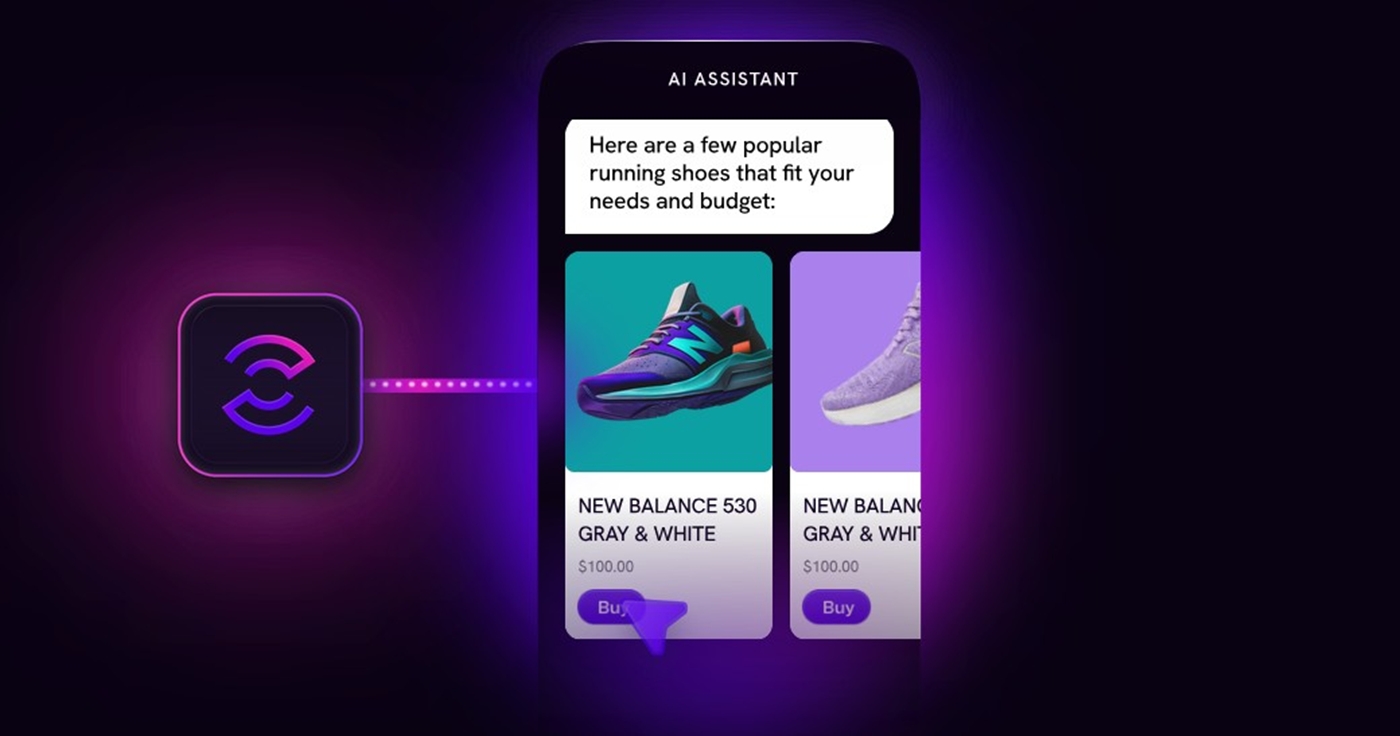
To prepare for a future in which AI can make purchases on your behalf, companies are laying the groundwork for agentic transactions, and PayPal is the latest to join the effort. Also: I let ChatGPT Atlas do my Walmart shopping for me - here's how the AI browser agent did On Tuesday, the company launched its agent commerce services, a suite of solutions designed for merchants to enable AI-driven shopping experiences that build on PayPal's existing payment infrastructure.
Shares of PayPal Holdings, Inc. (NASDAQ:PYPL) gained 1.76% over the past month after losing 3.41% and 11.12% the two months prior. That brings the payment processor's year-to-date loss to more than 20%. However, the stock is up nearly 20% since its 52-week low on April 8. When PayPal reported Q2 earnings on July 29, it beat on both top and bottom lines. EPS was $1.40 versus an expected $1.30, and revenue was $8.29 billion versus an expected $8.08 billion.
Shares of PayPal Holdings, Inc. (NASDAQ:PYPL) plummeted 11.12% over the past month after gaining 4.23% the month prior. That brings the payment processor's year-to-date loss to 21.62%. However, the stock is up 17.66% since its 52-week low on April 8. When PayPal reported Q2 earnings on July 29, it beat on both top and bottom lines. EPS was $1.40 versus an expected $1.30, and revenue was $8.29 billion versus an expected $8.08 billion.
PayPal should have removed the charge the moment you flagged it. The company promises to monitor every transaction 24/7 to prevent fraud, email phishing, and identity theft.
PayPal's new Agent Toolkit integrates its API suite with AI frameworks, enabling developers to streamline workflows like order management and invoice generation without complex setups.