#room-temperature-eggs
#room-temperature-eggs
[ follow ]
#cooking-tips #food-safety #cooking #culinary-techniques #cooking-techniques #eggs #breakfast #seasoning
fromTasting Table
3 days agoThe Simple IHOP Ordering Tip For Guaranteed Fresh Eggs Every Time - Tasting Table
IHOP's scrambled eggs and omelets are made with liquid eggs that come in a big bag, which are convenient for restaurants to serve in large quantities. While not inherently bad, customers can request 'real eggs' for a fresher option.
Berlin food


fromTasting Table
3 days agoExactly How Old Are Grocery Store Eggs, Anyway? - Tasting Table
In the United States, eggs are usually packed within a week of being laid, but they can legally be sold for 30 days after that packing date. This is called the Julian date, and it's shown by three numbers that represent consecutive days of the year - starting with 001 for January 1.
Everyday cooking

Remodel
fromTasting Table
1 month ago'Burping' Isn't Just For Infants. Turns Out It Benefits Your Kitchen, Too - Tasting Table
House burping, a trend of regularly ventilating homes by opening windows and doors, originated in Germany centuries ago and may help reduce mold and improve indoor air quality.
fromTasting Table
1 month agoThis Is What You Should Do With Potatoes That Have Sprouted - Tasting Table
Potato sprouts contain compounds (specifically glycoalkaloids like solanine and chaconine), which stick in the potatoes' skin and become toxic in the body when consumed in large quantities, leading to an upset stomach or indigestion. However, it's worth noting that potatoes already contain glycoalkaloids - the compound is just more concentrated in the sprouts.
Agriculture
#food-safety

Berlin food
fromTasting Table
1 month agoThe One Container You Should Never Use For Raw Meat, According To A Food Scientist - Tasting Table
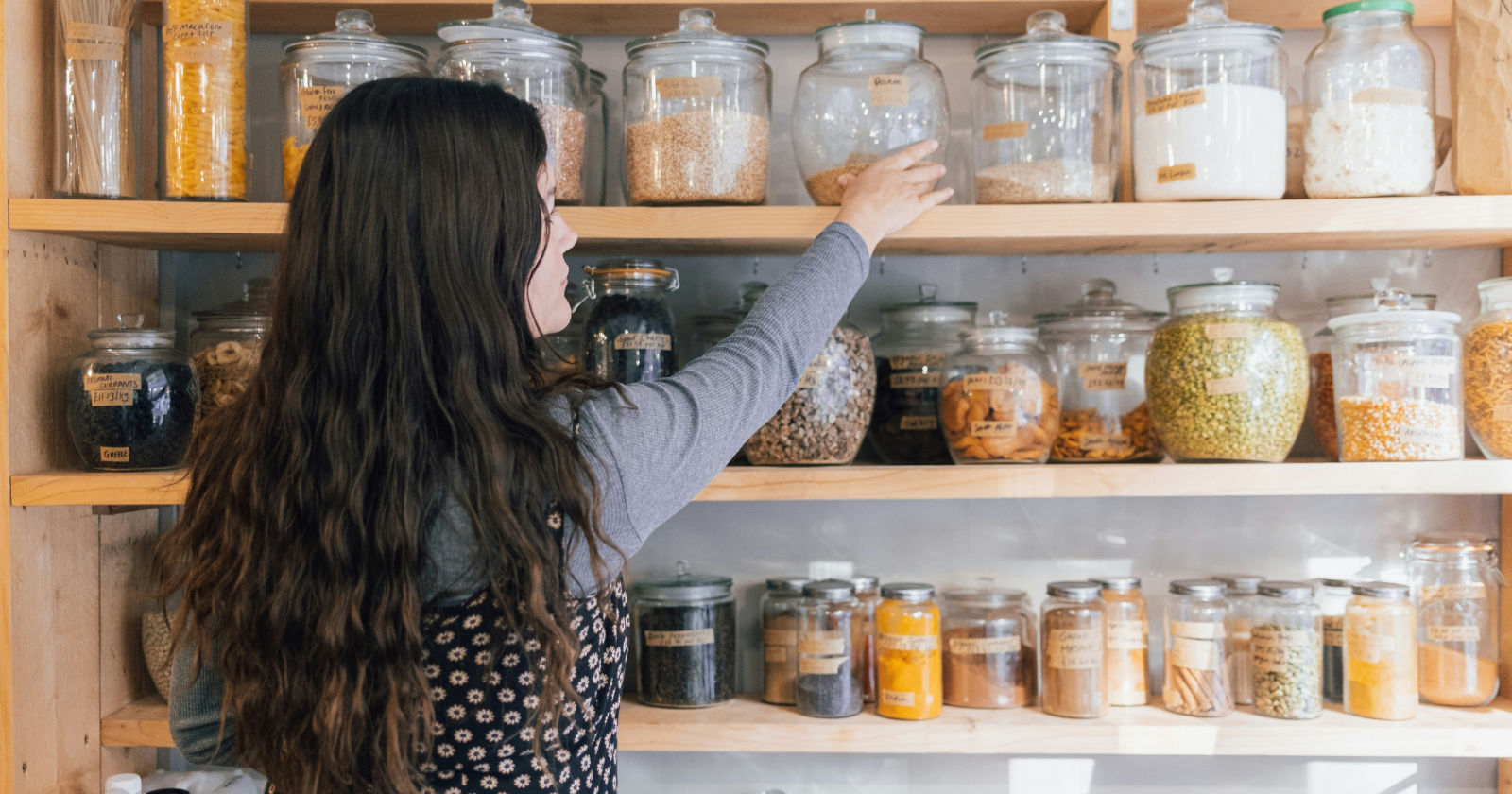
Plastic food storage containers are porous and harbor bacteria more readily than glass or stainless steel, making them less safe for storing raw meat and other foods.
Berlin food
fromTasting Table
1 month agoThe One Container You Should Never Use For Raw Meat, According To A Food Scientist - Tasting Table
Plastic food storage containers are porous and harbor bacteria more readily than glass or stainless steel, making them less safe for storing raw meat and other foods.
Gadgets
fromLondon Business News | Londonlovesbusiness.com
2 months agoUsing instant read thermometers for better meal prep - London Business News | Londonlovesbusiness.com
An instant-read meat thermometer delivers fast, accurate internal temperature readings to ensure safe, consistent, and perfectly cooked meats and other foods.

fromTasting Table
1 month agoTrust Us, You Should Never Make Scrambled Eggs In Advance - Tasting Table
Eggs cook so quickly, you aren't going to save any time by cooking them in large batches and then heating some up each morning. In the time it would take to reheat them, you could just cook a fresh batch.
Cooking
fromTasting Table
2 months agoA Personal Chef Explains The Problem With Eggs And Cast Iron - Tasting Table
Whether donning an apron at home or in a Michelin-starred restaurant, pretty much everyone agrees on the merits of cooking with cast-iron pans. They've been around for generations, passed down like an heirloom and fired up for all kinds of meals, from everyday comfort food to special company-is-coming fare. But there's one thing that needs to be acknowledged: it's not ideal for everything - specifically, cooking eggs.
Cooking
Everyday cooking
fromBusiness Insider
1 month agoI tested 3 popular ways to batch cook eggs - there's just one method I'll use for all of my future meal prepping
Sheet-pan eggs proved superior to muffin and omelette methods for batch-prepared breakfast, offering consistent results and practical reusability.
Everyday cooking
fromTasting Table
1 month agoSkip The Microwave And Reheat Leftovers This Way For Even Heating - Tasting Table
Convection ovens reheat leftovers more effectively than microwaves by circulating hot air for even heating and crispy exteriors, and air fryers function as accessible convection ovens for home kitchens.
fromTasting Table
2 months ago3 Common Mistakes Everyone Makes Freezing Seafood - Tasting Table
Freezing seafood seems like it should be a two-step process: open freezer, put fish in, but it's deceptively unforgiving. Fish and shellfish are mostly water (just like us!), with delicate muscle fibers and comparatively low connective tissue, which means small mistakes in freezing technique have noticeable quality consequences once thawed. Unlike red meat, which has a dense structure and intramuscular fat to buffer damage, seafood can't hide any missteps,
Cooking
[ Load more ]