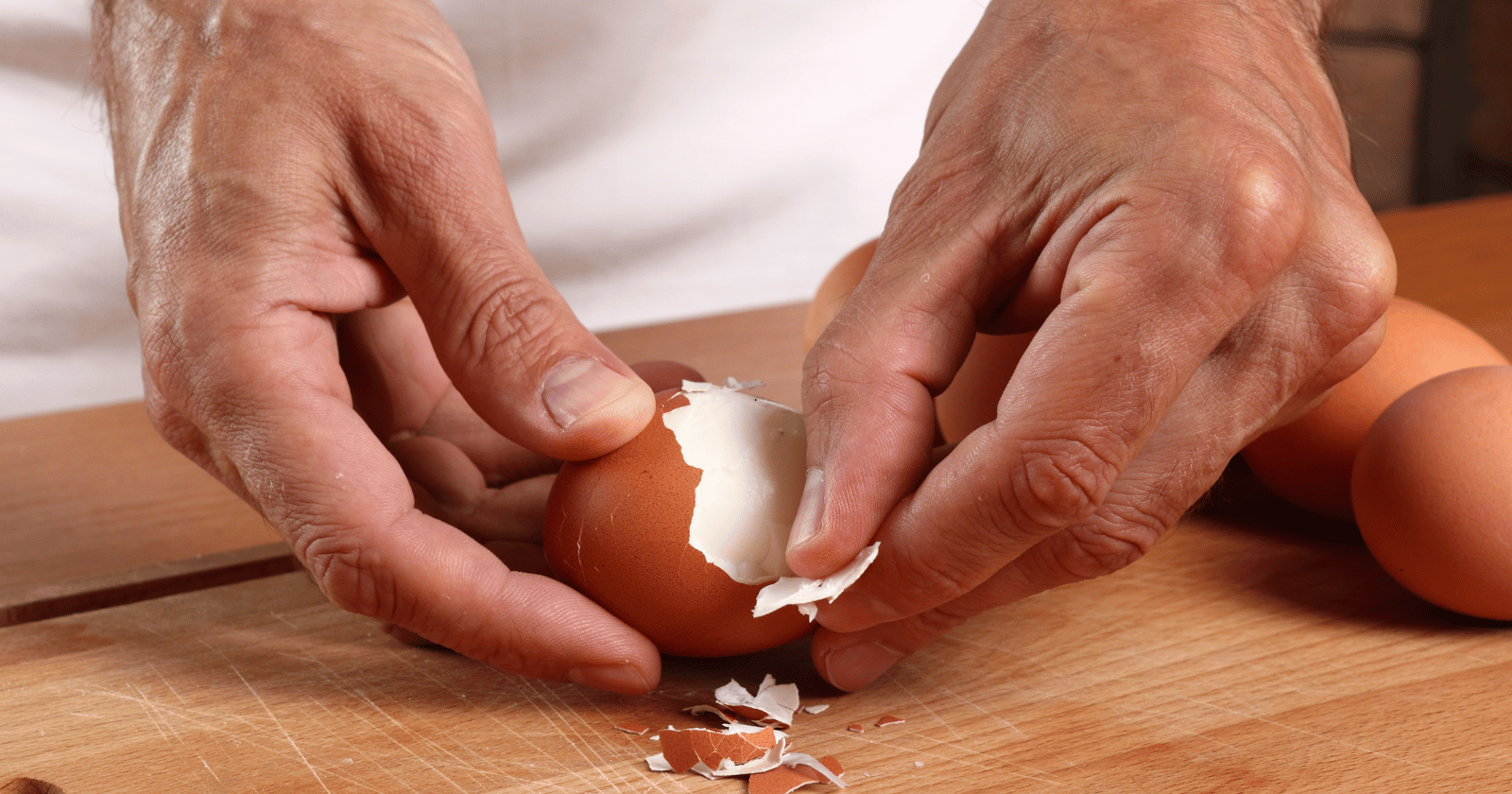
"Ever found yourself standing at the kitchen counter, wrestling with an egg that seems determined to leave half its white stuck to the shell? You're not alone. I've been there countless times, especially during those rushed mornings when I just wanted a quick protein-packed breakfast before work. The frustration is real. You follow what seems like a straightforward process, yet somehow end up with eggs that look like they've been through a battle. The shells come off in tiny, stubborn pieces,"
"This might sound counterintuitive, but chefs swear by using eggs that have been sitting in your fridge for at least a week. When I first learned this, it completely changed my approach to grocery shopping. I used to pride myself on buying the freshest eggs possible, thinking newer meant better for everything. Fresh eggs have a lower pH level, which makes the whites bond more strongly to the inner membrane of the shell. As eggs age, the pH increases, weakening this bond."
Hard-boiled eggs often stick because fresh eggs have a lower pH that causes whites to bond strongly to the inner shell membrane. Allowing eggs to age in refrigeration for about 7–10 days raises pH and weakens that bond, making peeling easier. Rapidly chilling boiled eggs in an ice bath immediately after cooking halts the cooking process and promotes separation between the white and membrane, aiding removal. Professional techniques focus on egg age, precise timing, and quick cooling to consistently produce clean, easily peelable hard-boiled eggs. Small technique changes yield large improvements in peelability.
Read at Silicon Canals
Unable to calculate read time
Collection
[
|
...
]