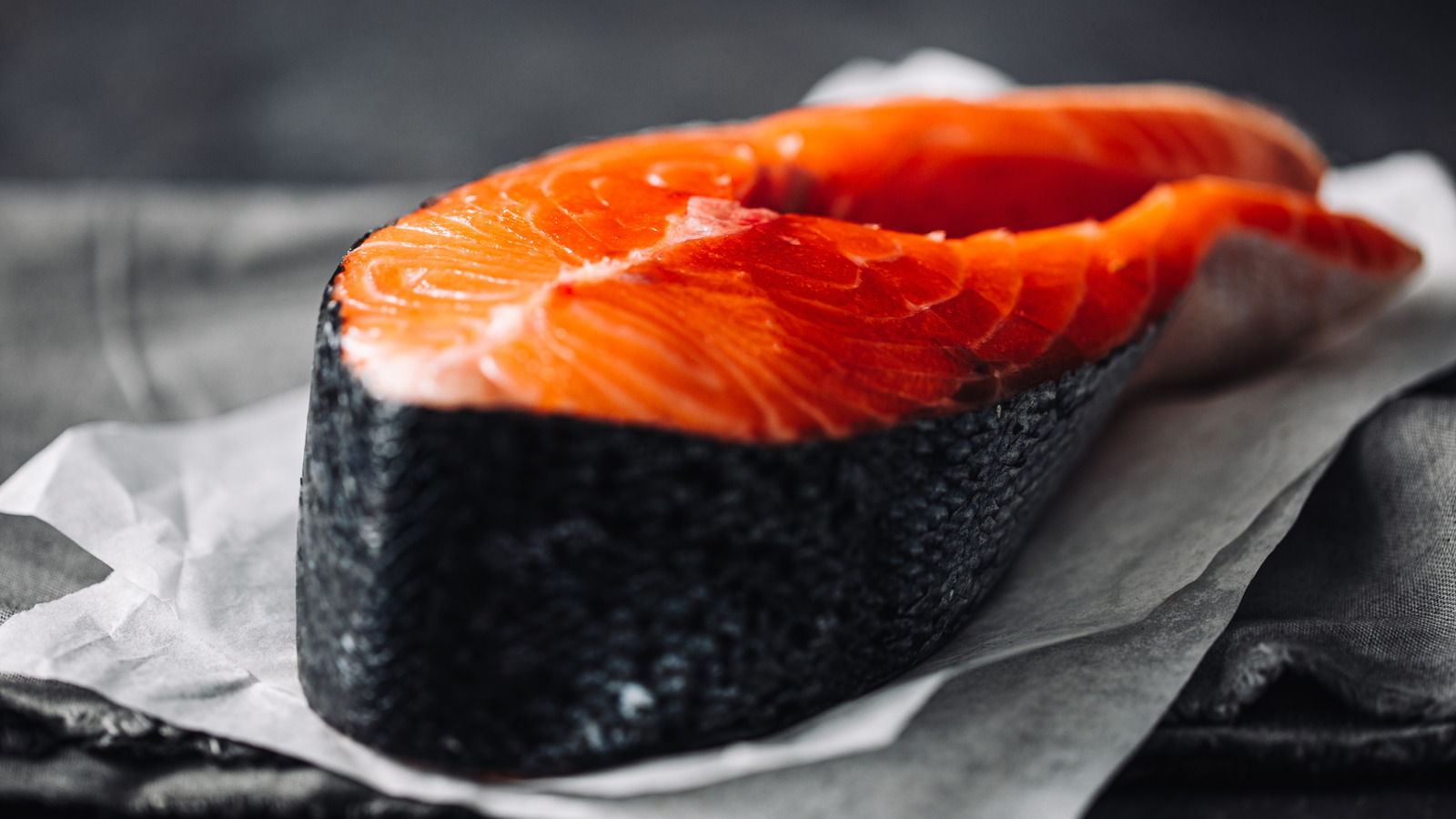
"Freezing seafood seems like it should be a two-step process: open freezer, put fish in, but it's deceptively unforgiving. Fish and shellfish are mostly water (just like us!), with delicate muscle fibers and comparatively low connective tissue, which means small mistakes in freezing technique have noticeable quality consequences once thawed. Unlike red meat, which has a dense structure and intramuscular fat to buffer damage, seafood can't hide any missteps,"
"Seafood is especially vulnerable because its proteins tend to denature more easily than those of land animals. While freezing is a good preservation method, it defeats the purpose if it causes structural harm and degrades quality. It's worth following the guidelines and making some intentional adjustments to avoid the three most common freezing mistakes, because good fish is worth treating right."
"The first thing Franklin Becker calls out is that "most people forget to create an airtight environment - oxidation causes freezer burn." This is because when air comes into contact with exposed seafood, moisture is drawn out of the flesh and into the freezer air, creating ice crystals and leaving behind dehydrated, damaged tissue, which compromises the daintier seafood flavors and overall eating experience."
Seafood contains high water content, delicate muscle fibers, and relatively low connective tissue, making it highly susceptible to damage from improper freezing. Small mistakes in freezing technique produce noticeable quality losses after thawing, including dry, mushy textures and a spectrum of stale flavors arising from lipid oxidation and freezer aromas. Seafood proteins denature more easily than land-animal proteins, so freezing can cause structural harm and degraded eating quality. Unlike red meat, seafood lacks dense structure and intramuscular fat that buffer freezing damage. Air exposure draws moisture from flesh, creates ice crystals, and leaves dehydrated, damaged tissue. Creating an airtight seal prevents dehydration and slows oxidation of volatile fish oils. Following intentional freezing steps preserves texture and flavor.
Read at Tasting Table
Unable to calculate read time
Collection
[
|
...
]