#seafood
#seafood
[ follow ]
#restaurant #sustainability #grilling #dining #restaurant-review #cod #cooking-techniques #fine-dining #cooking
fromEater LA
21 hours agoNew York's Bad Roman Brings Maximalist Italian American Dining to Beverly Hills
Bad Roman made its New York debut in 2022, set in the same Columbus Circle building as three-Michelin-starred Per Se. Michael Stillman - the president and founder of Quality Branded Hospitality and the son of the T.G.I. Friday's and Smith & Wollensky founder, Alan Stillman - seemed to want to color outside the lines of classic Italian cooking. Garlic bread took the form of rippled babka, while charred pepperoni cups got served on their own on a plate with ranch - no pizza crust in sight.
LA food
fromLondon On The Inside
1 week agoOysters, English Wine & Sea Views at The White Hart Inn, Mersea Island
We loved walking around the island and eating oysters, even if we did nearly get stranded on a broken bridge, had to wade through the sea to the other side, and then make a mad dash back to the car before the high tide swallowed the only road off the island.
London food
fromIndependent
1 week agoNew head chef at Kelly's Resort on fine dining barbeque style, why Rory McIlory was wrong and how producers 'do the hard work'
The newly appointed head chef at The Sea Rooms at Kelly's Resort in Rosslare believes that in his world, it is the farmers and fishmongers who do all the hard work before he merely presents the produce properly.
London food
fromTasting Table
2 weeks agoThe Premium Fish That Isn't Worth The Price - Tasting Table
Black cod (aka sablefish) is a flaky white fish revered for its silky texture and buttery taste. Its naturally high oil content gives the fish an especially rich mouthfeel. Compared to true cod, this “dark” counterpart comes with a significantly higher price tag; yet regardless of its unique profile, it isn't a consistently reliable ingredient in the kitchen. “When it comes to 1/100 or 1/200 of the [black cod we process] they actually melt as soon as they hit the heat out of the water,” Donovan tells us. “I think it has something to do with the pressure in which they travel.”
SF food
fromwww.theguardian.com
2 weeks ago10 minutes of nirvana': 52 writers on the best sandwich of their life
A crab stick and taramasalata baguette I was young and carefree, living in Barons Court, west London, in the mid-90s. Chains weren't a thing, and delis all had sandwich fillings laid out in silver dishes of a uniform, surgical shape, inviting adventure. Russian salad and ham? Sure, why not. The price structure was weird: sometimes everything was the same, and other times you'd accidentally hit a premium ingredient and your sandwich would be 3.50. That's how I hit on the crab stick and taramasalata baguette, after a financial catastrophe involving actual crab. Crab sticks taste nothing like crab. They are, in fact, more delicious. So much better. And everything so pink. My life was like a fairytale.
London food
fromLos Angeles Times
3 weeks agoFind some of L.A.'s best new poke in a Koreatown parking lot
For the last five years Kelsey Sachi Lee sold seafood to some of the city's top restaurants. Now she's opening her orders to the public with weekly Instagram drops - and handing off poke from the back of her car. Lee still sources fish for some of the city's most prominent chefs, such as Ari Kolender of Found Oyster and Queen's Raw Bar & Grill, but with her new, online-only venture, Dover Sole Market, she's offering weekend ahi poke pickups in parking lots in Koreatown and Sherman Oaks in an ode to her upbringing on Oahu.
LA food
fromIndependent
3 weeks agoLucinda O'Sullivan's restaurant review: 'While there's a smart Francophile brasserie feel about its decor, the welcome and humour is undoubtedly Dublinian'
Cavistons Seafood Restaurant in Glasthule is a renowned spot for fresh seafood and a vibrant atmosphere, attracting notable patrons like Bono.
London food
fromCN Traveller
3 weeks agoI return to Sete each summer - this is my guide to the underrated French town people call the 'Venice of the Languedoc'
In winter, Sète is far from closed, unlike more tourism-focused towns, and still has wonderful markets to explore each day, incredible seafood, and it is the region's black truffle season.
Madrid food
fromEater Chicago
1 month agoThis River North Bar Has Its Own Chilled Martini Trolley
The cocktail trolley is a must. Prepared tableside, you can choose between the Kitty's Gin Martini ($34) or the Japanese whisky Old Fashioned ($55). The martini is made with premium dry gin, though you can choose to upgrade to ultra-luxe Beefeater Burrough's Dry Gin for $90.
Cocktails
fromTasting Table
1 month agoThe Hands-Down Best Fish And Chips Come From A Popular Sit-Down Chain Restaurant - Tasting Table
Red Lobster's version features wild-caught cod served with Chesapeake fries, coleslaw, and hush puppies. The two pieces of fish are top tier, perfectly salty and adequately rich.
London food
fromTasting Table
1 month agoFor Anyone Bored With Bland Fish, This Hidden Gem Will Have You Hooked - Tasting Table
Red mullet is a semi-fatty fish that may not be very familiar or easily accessible for home cooks unless you have the right vendor. It's best cooked whole and can be marinated with chili, garlic, and thyme for several hours or overnight to develop its flavor.
Cooking


fromBoston.com
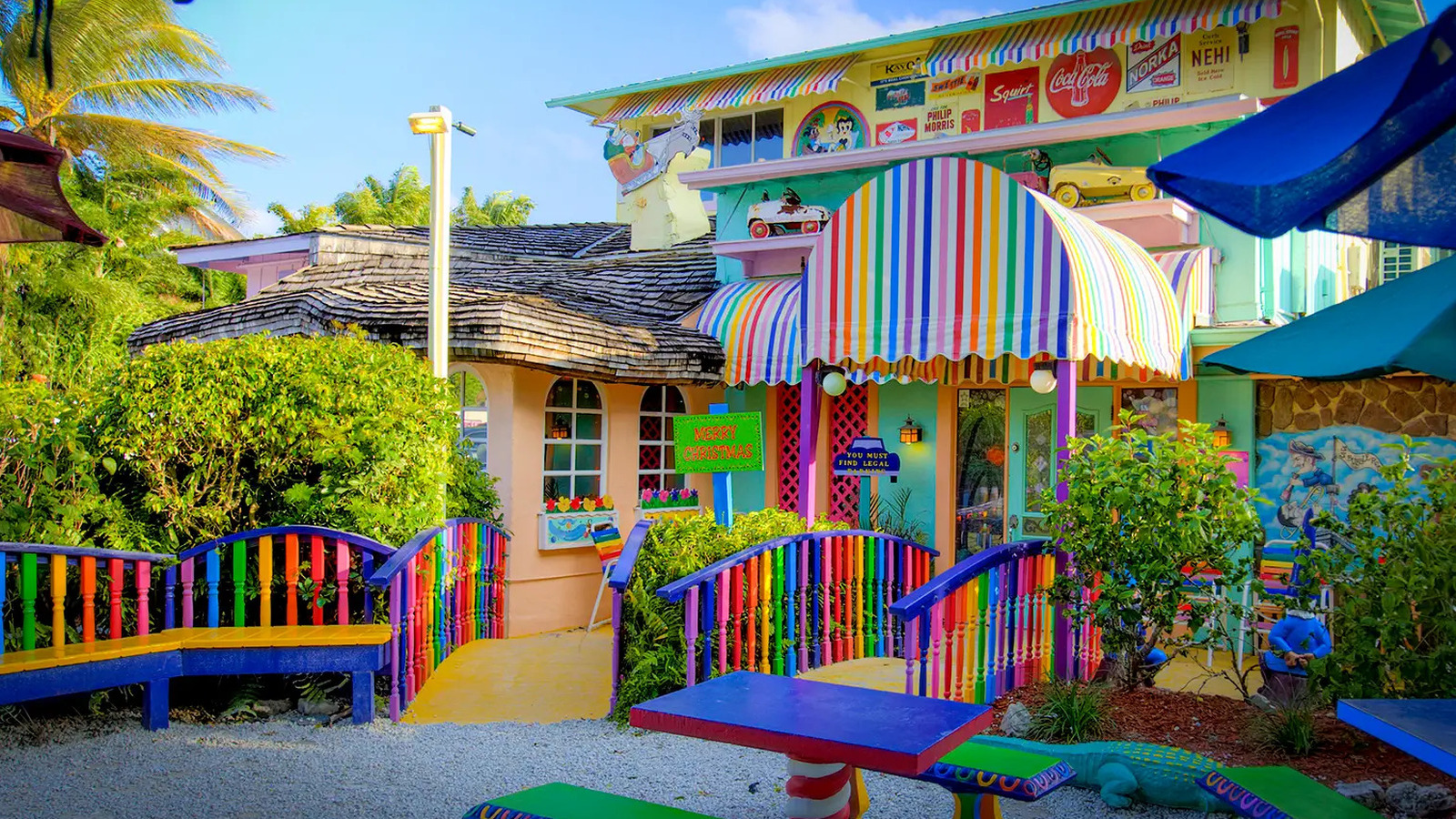
1 month agoA Mass. restaurant just ranked the best in America for waterfront dining - again
Perched on the iconic sands of Cape Cod, the Beach House Grill serves up fresh, coastal cuisine with a panoramic view of the Atlantic Ocean. Its expansive outdoor patio offers a relaxed, inviting atmosphere where guests can enjoy a variety of exceptional local seafood specials, including clams and lobster rolls.
Boston food
fromTasting Table
1 month agoTartar Sauce Isn't The Only Way To Eat Crab Cakes - Here's What Maryland Locals Use Instead - Tasting Table
Many Marylanders boasted of serving their crab cakes with yellow mustard, with one user stating, 'growing up it was always fried crab cakes with saltine crackers and yellow mustard.'
Food & drink
fromThe Infatuation
1 month agoElia Walnut Creek - Review - Walnut Creek - San Francisco - The Infatuation
The grilled octopus is tender and sweet, the seafood bucatini is rich without being overwhelming, and the juicy chicken souvlaki skewers get a slight tang and lots of flavor from their yogurt marinade.
Dining
fromTasting Table
2 months agoCaptain D's Says It 'Changed' Its Battered Fish - But Won't Say To What - Tasting Table
Customers began noticing a change in Captain D's fish fillets in mid-2025, describing them as heavy and strangely firm, with some finding them mushy. Many critics agreed that the fish had a bizarre, chicken-like taste and texture, which was only acceptable if referring to Captain D's fried chicken. The fillets also shrank in size, and the coating went from crunchy to limp.
SF food
[ Load more ]