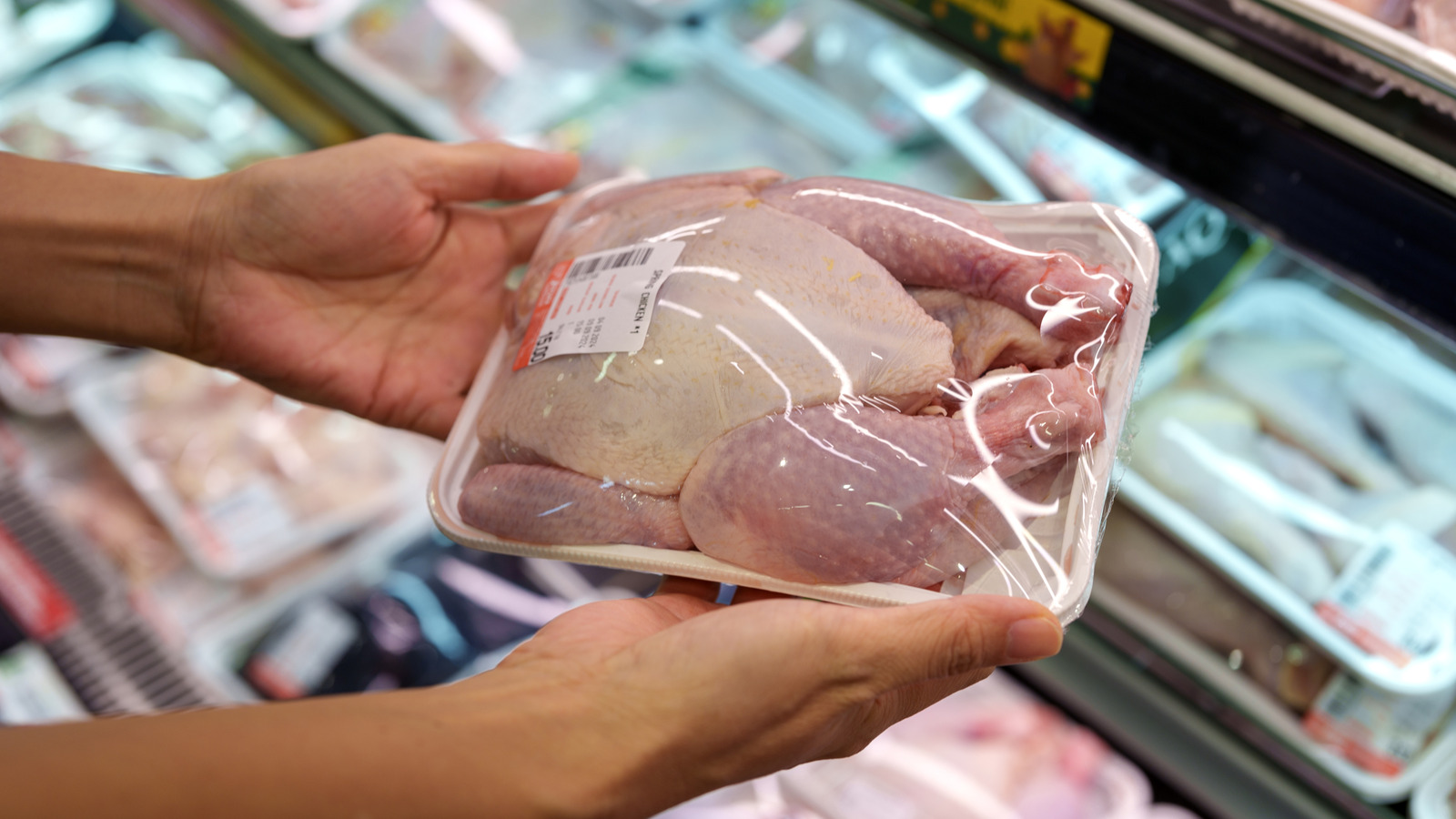
Vacuum-packed poultry offers superior moisture control, producing drier skin that browns more effectively and yields firmer meat after cooking. Vacuum packaging also simplifies freezing and portioning, making it convenient for meal-prepping and long-term storage. Consumers should read ingredient lists to identify added broth, retained water, or added moisture, which indicate plumped birds that increase weight with water and add unnecessary sodium. Avoiding plumped chicken ensures more meat per purchase and better flavor. Paying attention to packaging and ingredients leads to higher-quality chicken and improved cooking results.
"The skin of vacuum-sealed chicken tends to be drier than that of its plastic-wrapped counterpart. And sure enough, in our interview with chef Lana Lagomarsini, a private chef in NYC, she mentioned that she always prefers vacuum-packed chicken for precisely this reason - the skin typically doesn't have the "wet" look. The benefits? Chef Tristen Epps-Long, founder of Houston-based consultancy Epps & Flows Culinary, pointed out that less water equates to firmer meat when cooked, and the skin browns more efficiently."
"All that is in addition to a plethora of other advantages you'd get with vacuum packaging, like an easier time freezing (if you're planning to stock up on chicken for long-term use) and portioning out the meat, which is excellent for meal-prepping. It's a small detail to pay attention to, but if you do, you'll walk out with genuinely good chicken every time."
Read at Tasting Table
Unable to calculate read time
Collection
[
|
...
]