#attributes-and-skills
#attributes-and-skills
[ follow ]
Education
fromwww.businessinsider.com
2 hours agoI took a paid apprenticeship instead of going to college. I'll make six figures within 5 years the stability I feel is incredible.
Choosing a pipe fitting apprenticeship over college offers financial stability and a clear career path without student debt.

fromSecuritymagazine
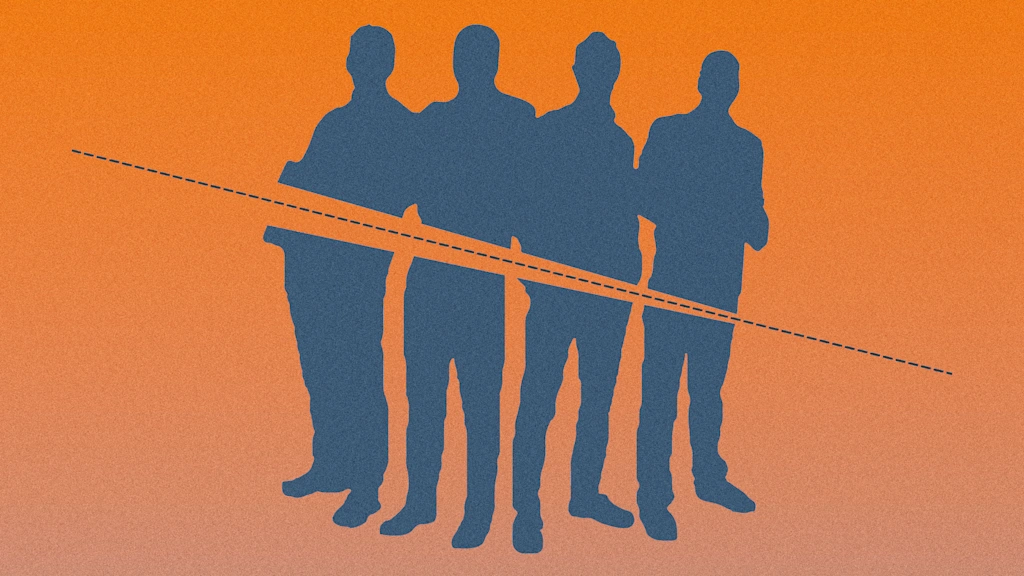
4 days agoWhy Bridging Siloes Doesn't Need to Be Complicated
"When you talk to people about breaking them down, they feel like they're going to get flattened. This negative perception of breaking down siloes can impact the organization's ability to solve the siloes in the first place."
Media industry
#leadership



Careers
fromFast Company
2 days agoNo, you can't upskill your culture. But you can upskill your leaders
Unconscious communication habits significantly impact organizational culture and employee engagement.
Psychology
fromSilicon Canals
9 hours agoPsychology says the people described as having a strong personality aren't dominant or difficult, they're the ones who stopped softening themselves to make every room comfortable, and what reads as intensity from the outside is just the absence of the apology most people are still adding to every sentence - Silicon Canals
People often misinterpret strong personalities as difficult, but they may simply be unafraid to express themselves without apology.
#mindset
Mindfulness
fromSilicon Canals
1 day agoIf you've been trying to change your life and keep ending up in the same patterns, the problem probably isn't the plan, it's that the part of you making the plan is the same part of you that built the life you're trying to change - Silicon Canals
Current mindset limits the ability to create meaningful change; the same self cannot solve the problems it created.
fromTalentLMS Blog
1 month agoThe 19-Point Skills Gap Leaders Can't See
Recent data from The TalentLMS 2026 L&D Benchmark Report reveals a 19-point perception gap on AI learning support. 83% of HR leaders believe they actively support AI learning, but only 64% of employees agree. This extremely polarized viewpoint raises an uncomfortable question: If leaders are this far off on AI skills support, what else might they be misreading about their teams' capabilities?
Business
fromFast Company
1 month agoThe hidden career cost of being too agreeable
Across history, human moral systems have shared a curious pattern: the stricter the rulebook, the richer the archive of exceptions. Religions preach chastity and accumulate scandals, empires proclaim justice and practice conquest, corporations enshrine "values" and reward results at any cost. The problem is not that moral codes are useless. It is that they are aspirational reminders, not accurate descriptions, let alone regulators, of human behavior.
Philosophy
fromeLearning Industry
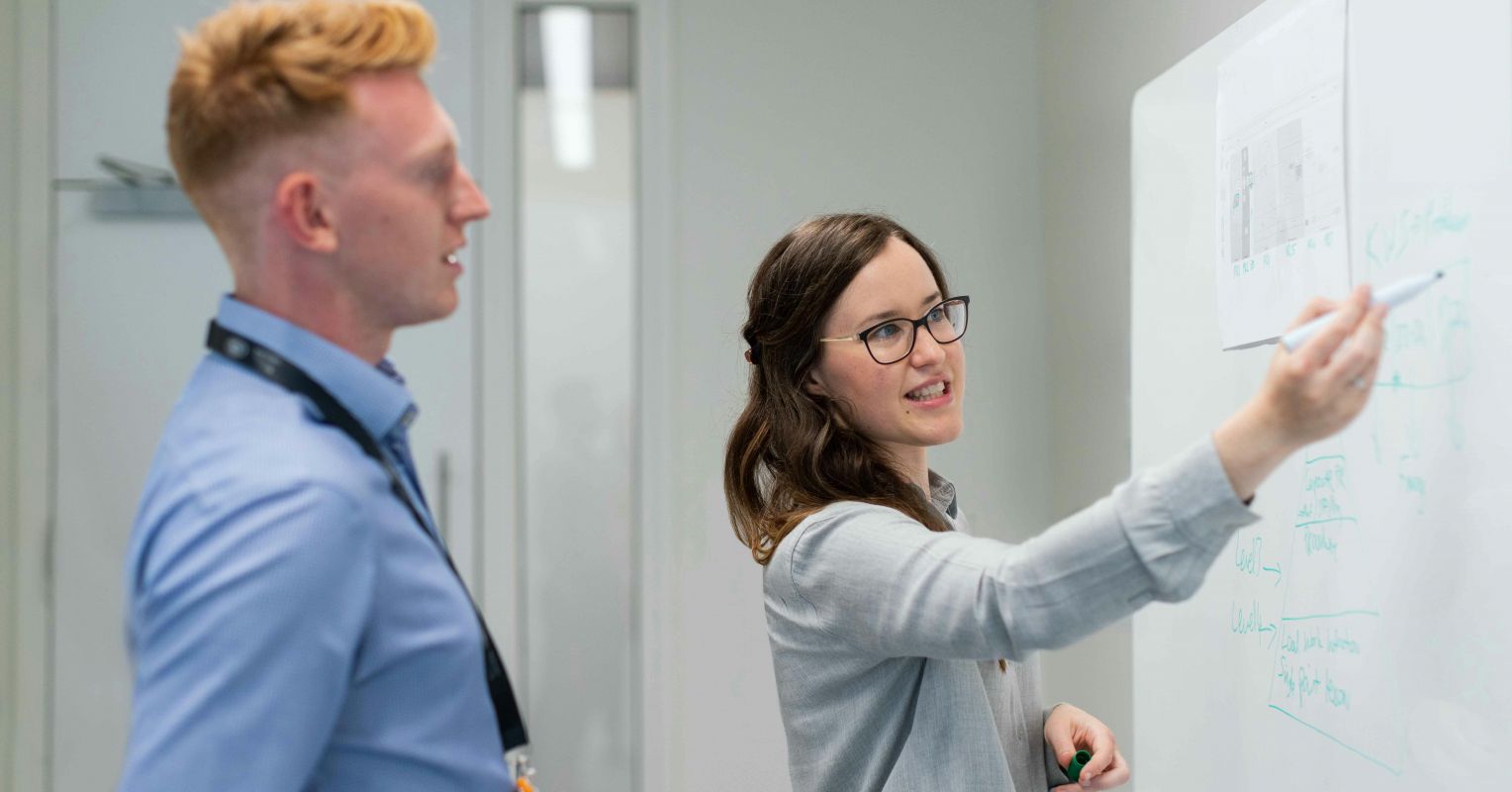
2 months agoHow Scenario-Based Training Builds Job-Ready Competence Faster
Recent research from the World Economic Forum shows that demand for digital skills, including AI, Big Data, and technology literacy, is growing faster than the global workforce can keep pace. This growing imbalance is widening the digital skills gap, leaving many business leaders unsure whether they have the right people, with the right skills, ready to perform at the speed their organizations need to compete and grow.
Education
fromFast Company
1 month agoMade a mistake at work? Here's how to fix it in three easy steps
To successfully repair after a mistake, you need to acknowledge and name the mistake, validate the other person's feelings and viewpoint, and create a plan for the specific actions you will take to prevent this mistake from occurring again.
Careers
Careers
fromeLearning Industry
2 months agoEmployee Development Planning: A Strategic Guide To Build Skills And Drive Performance
Employee development is a continuous, strategic, personalized process aligned with business goals that builds skills, engagement, retention, and long-term organizational capability.
[ Load more ]