#retail-policy-changes
#retail-policy-changes
[ follow ]
#e-commerce #amazon #retail #consumer-behavior #advertising #retail-media #retail-strategy #ecommerce #walmart
#amazon
Business
from24/7 Wall St.
4 days agoWhy I Can't Stop Buying Amazon Stock
Amazon's AWS and advertising segments are experiencing significant growth, indicating a strong future for the company.
fromBusiness Matters
4 days agoTesco urges ministers to ease cost burden as Iran conflict clouds outlook
Ken Murphy stated, 'In terms of tax pressures, industry and energy in particular, anything the government can do to help us to keep prices low for customers is welcome.' This highlights the urgent need for government intervention to support retailers.
London food






Marketing tech
fromwww.independent.co.uk
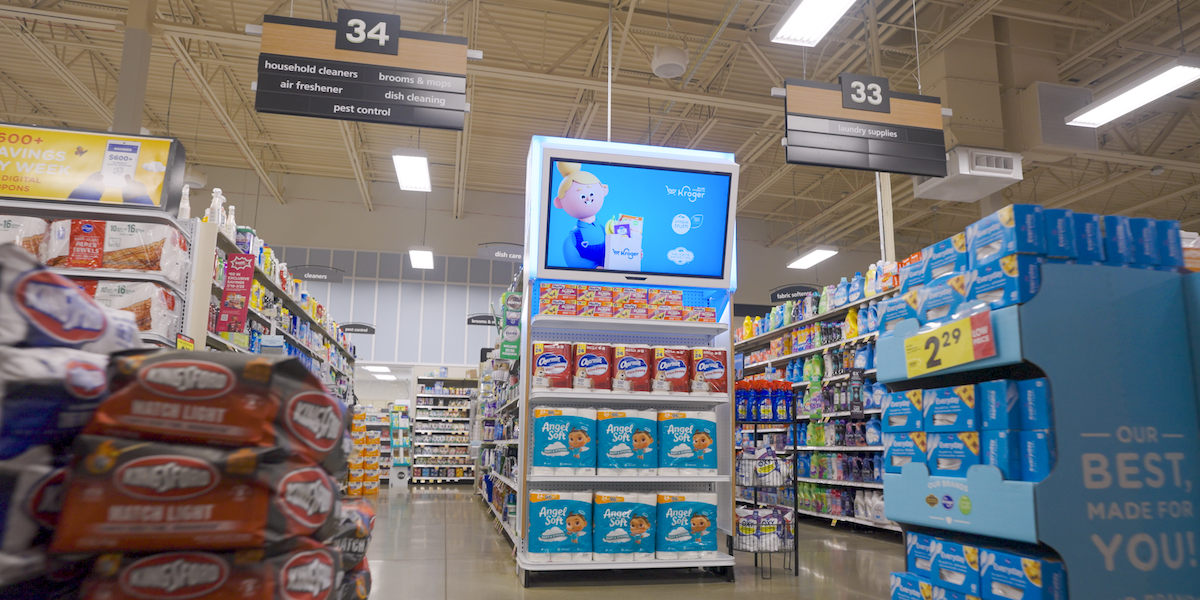
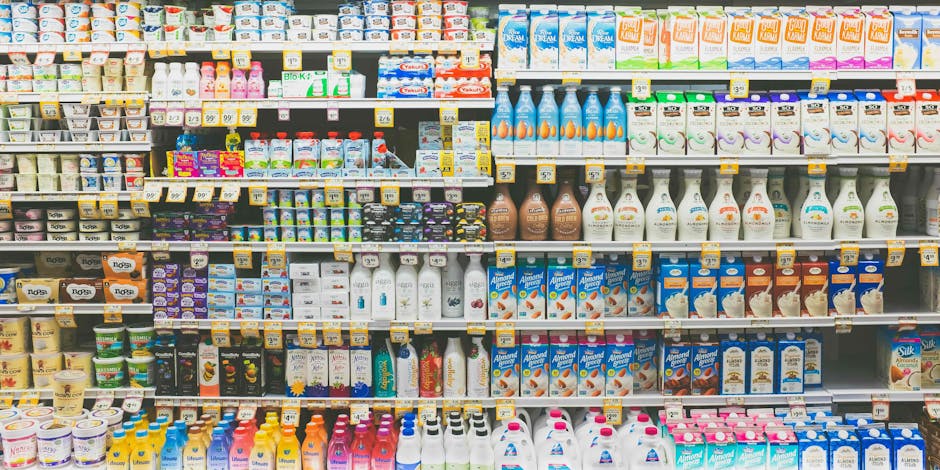
1 month agoIlluminating blind spots in store strategy execution
Consumer goods brands require real-time retail intelligence and visibility of in-store execution to compete effectively, as legacy tools fail to provide actionable data needed for optimal product placement, pricing, and promotion management.
E-Commerce
fromTasting Table
1 month ago7 Grocery Chain Price Adjustment Policies Every Customer Should Be Aware Of - Tasting Table
Many grocery stores offer price adjustment policies allowing customers to receive refunds when item prices drop shortly after purchase, requiring receipts and exact product matches.

fromInc
2 months agoThe New Rules of Big-Box Retail
The outlook for 2026 I'm watching 2026 with equal parts optimism and urgency. Optimism because consumer demand is still there. Retail sales have remained resilient in recent data. Urgency because the operating environment is only getting tighter. Coming out of FY2025, large retailers demonstrated resilience amid inflation pressure, shifting consumer behavior, and global supply-chain complexity. Walmart raised its outlook and leaned further into a model that blends physical stores, e-commerce scale, and execution discipline.
E-Commerce
fromAmerican Banker
2 months agoRetailers like agentic shopping more than AI payments
Retailers, especially larger companies, recognize the importance of artificial intelligence and agentic commerce, and plan to make that a reality this year, Srjana Balraj, global head, unified commerce platform at TCS told American Banker. "If you are not visible in the [AI] chat interface, you are going to lose the customer eventually," Balraj said. "The work started last year and two years back based on the maturity of where retailers are.
E-Commerce
fromModern Retail
1 month agoMarketplace Briefing: Online merchants aren't lowering prices despite Supreme Court ruling
We're still increasing pricing based on the most up-to-date tariff announcements from India and the U.S., because it's not going back down to zero. It's still elevated. The cost of our goods has also shot up, because gold has almost doubled since last year.
E-Commerce
fromForbes
2 months agoHow To Take Advantage Of Technology In CPG Marketing
Statistics from the 2025 holiday shopping season clearly show that AI is playing a huge role in how people shop. But new research from retail payment platform Adyen found that many consumers are ready for AI to become their personal shopper. Just over half-51%-said they're open to letting AI take over the entire shopping process, including making final purchases. Millennials are the most willing to let agents do their shopping, with nearly three in five saying they are ready for such a shift.
E-Commerce
fromwww.independent.co.uk
1 month agoDoes free shipping actually exist? Marketing ploys experts want to warn you about
You're scrolling through an online retailer, like Amazon, Shein or eBay, and spot a shirt on sale for $40. You add it to your cart, but at checkout, a $10 shipping fee suddenly appears. Frustrated, you close the tab. But what if that same shirt was priced at $50 with free shipping? The likelihood that you would have bought it without a second thought is much higher.
E-Commerce
fromThedrum
1 month agoTools retailer grows revenue by 180% in 10 months
Given that ParkerBrand had allocated greater resources to paid media, higher performance objectives were set for 2019. Overall, the goal was to grow revenue rapidly over a short period of time whilst maintaining the return on ad spend (ROAS) to remain profitable. This translated into the following objectives: Achieve a minimum of 10:1 ROAS "Grow revenue as much as possible" from a year-on-year perspective
E-Commerce
[ Load more ]