#prime-rib
#prime-rib
[ follow ]
#cooking-tips #seasoning #cooking #meat-preparation #texas-roadhouse #steakhouse #cooking-techniques

fromTasting Table
4 weeks agoThe New England Restaurant Known For Prime Rib Bigger Than Your Head, Made With A 60-Year-Old Recipe - Tasting Table
The Flintstone cut is an intimidating endeavor, which can be served either house-style or blackened with secret 'steak magic'. This market-price offering can be further augmented with caramelized onions, scampi compound butter, or mushroom or béarnaise sauce.
DC food
Food & drink
fromTasting Table
2 months agoThe San Francisco Prime Rib Restaurant Anthony Bourdain Called A 'Temple Of Old-School Meat' - Tasting Table
Anthony Bourdain praised House of Prime Rib in San Francisco as an exceptional traditional steakhouse featuring hand-selected, aged prime rib carved tableside, calling it a temple of old-school meat and a beacon of hope.
Austin
fromTasting Table
2 months agoThe Best Restaurant Prime Rib In Texas, According To Customers - Tasting Table
Bartlett's in Austin is renowned for its perfectly cooked prime rib, served with rosemary salt crust, garlic mashed potatoes, and au jus in 8 or 12-ounce portions, earning consistent praise for quality and value.
Food & drink
fromTasting Table
2 months agoThe Luxury Buffet Where You'll Find Rhode Island's Best Prime Rib, According To Customers - Tasting Table
The Nordic buffet in Rhode Island serves exceptionally tender slow-cooked Black Angus prime rib praised for flavor, large portions, and flavorful au jus and sides.
fromTasting Table
2 months agoI Asked 5 Chefs For The Best Seasonings For Prime Rib - Tasting Table
You might be a minimalist who prefers a simple combination of salt and cracked black pepper, or maybe you prefer a lot of depth and flavor that comes from a complicated rub with several different herbs and spices. Turns out both work well. It just depends on what you're in the mood for. Several chefs were nice enough to share their opinions about which seasonings work best with prime rib's tender and juicy qualities. Now, you no longer need to wonder if the intense flavor of berbere spice is better than a hearty pastrami rub.
Cooking
fromTasting Table
3 months agoThis Smothered Prime Rib Is A Longtime Ohio Favorite That's Worth The Trip - Tasting Table
For those who adore a plate of perfectly-cooked beef, there's not much better than prime rib - if you know a restaurant that does it right, that is. For prime rib lovers in the Midwest, the Whitehouse Inn in Whitehouse, Ohio is certainly worth a visit. This restaurant was our Ohio pick for the best prime rib restaurant in every state, and the offerings there include some specialties that you might not find in every house of beef.
Food & drink
fromTasting Table
3 months agoHere's How We Know Outback Steakhouse Cooks Prime Rib Just Right - Tasting Table
Prime rib at Outback Steakhouse isn't seared or grilled like other steaks, but instead slowly oven-roasted for four hours as a single hunk of meat and hand-carved to the desired size once finished cooking. Thanks to our exclusive interview with Chef Brett Reichler, we know that cooking prime rib low and slow is the best way to extract flavor from the meat, among other tips for making the absolute best prime rib.
Cooking
fromTasting Table
3 months agoDon't Throw Out Those Prime Rib Bones - Turn Them Into This Rich Fridge Staple - Tasting Table
Long after the last forkful, there are still ways for a prime rib's savory richness to continue blessing your kitchen. Leftover meat gets shredded into tacos and instant ramen, drippings become au jus and gravy, and the bones? That's your secret to a deeply flavorful beef stock. Discarded far too often, their hidden richness goes to waste in the bottom of the trashcan, when really, it should already be simmering on the stovetop, giving all your future soups and stews the most hearty base imaginable.
Cooking
fromTasting Table
3 months agoThe Prime Rib Rule Experienced Cooks Swear By For Perfect Results - Tasting Table
Prime rib is one of those dishes usually reserved for special occasions and holiday meals, and for good reason. The cut of beef from atop a cow's rib bones is known for its undeniably tender and juicy texture. However, large cuts of beef can easily turn chewy or overcooked if you're not vigilant while they cook in the oven. This means watching factors like time and temperature.
Food & drink
fromTasting Table
3 months agoWhy Some Restaurants Only Offer Prime Rib On Certain Days - Tasting Table
Two reasons for this are that prime rib can be expensive, and it takes a long time to cook properly. As the cost of beef has gone up and consumption habits have changed (i.e. people are eating less red meat due to health and environmental concerns), prime rib has become, well, even more of a "prime" product. In Milwaukee Mag, Ward's House of Prime owner Brian Ward described what goes into preparing prime rib for restaurant service, and it's no easy feat.
Food & drink
fromTasting Table
3 months agoAchieve A Savory Crust On Prime Rib By Using One Ingredient Sitting In Your Pantry - Tasting Table
No dinner party is complete without a show-stopping protein. And for many, that show-stopping protein is prime rib. It's a cut that truly speaks for itself; it's juicy, tender, and large enough to take up most of the real estate on your plate. However, this cut needs a lot of assistance to bring out its flavor nuances and really make for a bite that tastes as good as it looks.
Food & drink
fromTasting Table
3 months agoWhy Harris Teeter's Prime Rib Stands Out From Other Grocery Store Chains - Tasting Table
Harris Teeter offers affordable, customizable prime rib with everyday low prices, frequent specials, and a butcher's counter that customers prefer over other grocery stores.
Food & drink
fromTasting Table
4 months agoLogan's Roadhouse's Prime Rib Is So Huge, It Might Outweigh Your Appetite - Tasting Table
Logan's Roadhouse serves generous, slow-roasted prime rib (seasonal 13-ounce portion), hand-carved to order, seasoned with signature rub, and paired with unlimited butter rolls and sides.
fromTasting Table
4 months agoPrime Rib Turns Traditional Pot Pie Into Luscious Comfort Food - Tasting Table
Digging into a perfect slice with a side of horseradish and au jus is quite the indulgence; however, once the feasting is over, you might be wondering what to do with your leftovers. Take an indulgent prime rib and transform it into the ultimate comfort food by adding it as a filling to your next pot pie. This is a great way to prevent food waste and change up the serving style for your prime rib to give it a bit of a refresh.
Cooking
Food & drink
fromTasting Table
4 months agoThis Zesty Sauce Is The Perfect Alternative To Horseradish For Your Prime Rib - Tasting Table
Chimichurri provides a bright vinegar-and-herb alternative to horseradish for prime rib, cutting richness while adding acidity, fresh herb brightness, and contrasting texture.
fromSlate Magazine
4 months agoChristmas Dinner Is the Only Holiday Meal Without a Clear Culinary Theme. I've Finally Figured Out What It Should Be.
There's a certain comfort in the predictability of holiday food. Thanksgiving is designated for turkey, stuffing, cranberry sauce, and green bean casserole. Easter is lamb and ham, with spring vegetables like asparagus and green beans making their entrance. Summer occasions like July Fourth summon burgers, hot dogs, potato salad, and corn. However, Christmas is, ironically for all the lights, in a bit of a gray area.
Cooking
fromTasting Table
5 months agoBuy This Cut Of Meat For The Most Satisfying Bite Of Prime Rib - Tasting Table
If you've printed out a recipe for some slow-roasted prime rib roast, here's the most important "secret" you need to know to get the most satisfying bite: pick the right cut of meat. Not everything that the butcher hands you when you ask for a "cut I can make prime rib with" is the best. Instead, be specific. Ask for bone-in with the rib cap left intact.
Cooking
fromTasting Table
6 months ago8 Tips You Need To Make The Absolute Best Prime Rib, Every Time - Tasting Table
It's the centerpiece that all other cuts of meat look up to and ultimately aspire to be. When you see it on a restaurant menu - especially if it's a tableside presentation - you know you're in for an absolute treat. So what if you're ready to tackle the ultimate red meat cooking challenge and make a prime rib at home?
Cooking
fromTasting Table
7 months agoDoes Texas Roadhouse Have A Secret Menu Tomahawk Steak? - Tasting Table
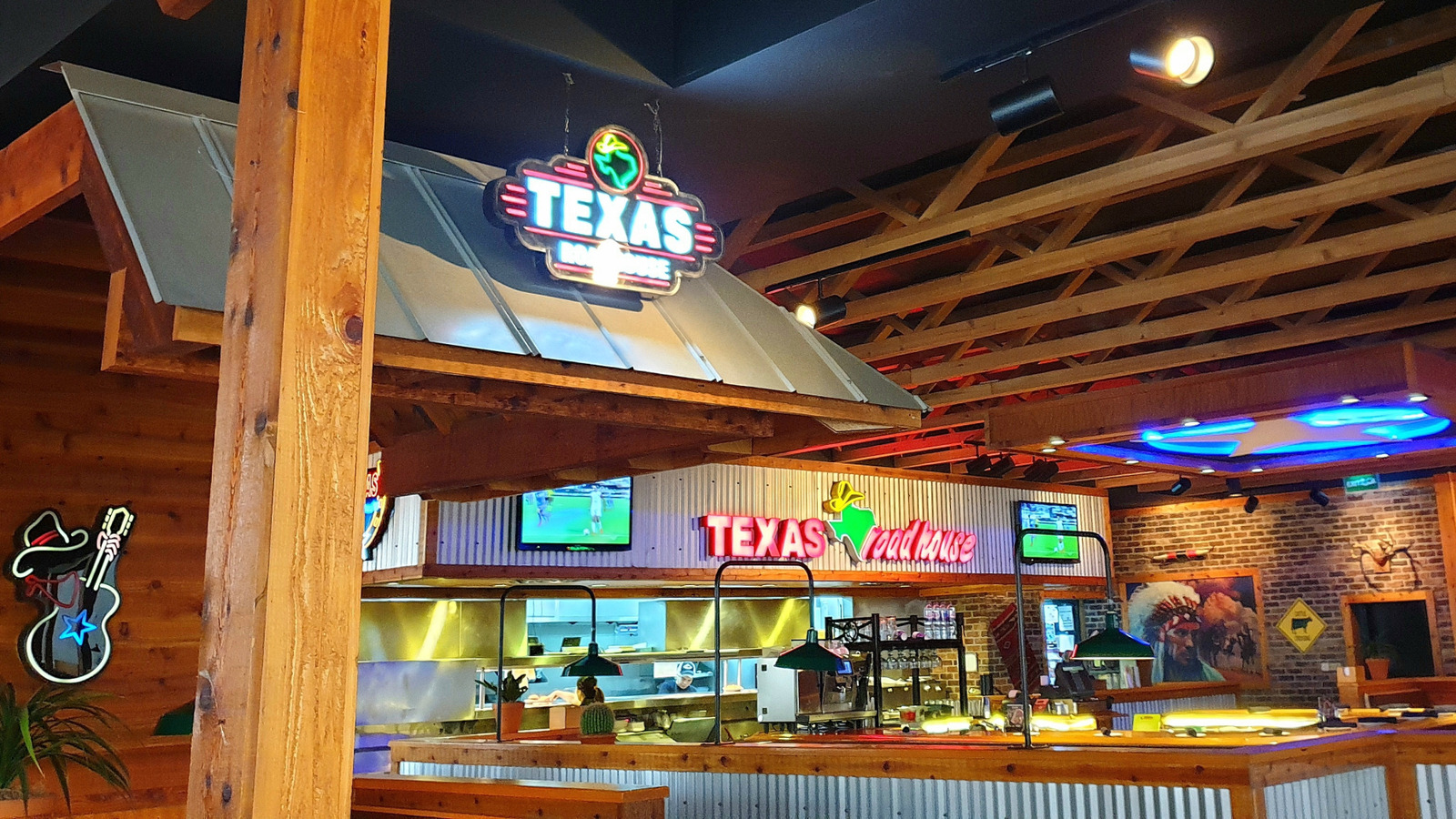
It's essentially three steaks together that haven't been separated. You might call it a prime rib roast at that point. They have even offered a 160 ounce extreme cut before. That's too much steak for the average person, so if you want something more manageable yet still intense, you may want to try ordering a tomahawk steak at your local Texas Roadhouse.
Food & drink
[ Load more ]