SF food
SF food
[ follow ]
fromTasting Table
2 days agoThese Are The Airport Snacks Seasoned Travelers Reach For When There's No Time For A Meal - Tasting Table
To avoid the sorry state of surviving on free U.S. airline snacks, Ocampo recommended packing or buying "foods high in protein and fiber that keep you feeling full for hours." For high-fiber picks, she suggested fresh fruits like apple slices or grapes. Oranges also make a great in-flight snack because they're hydrating, easy to carry, and contain 3 grams of fiber in a medium-sized fruit. Ocampo added energy bites, cheese sticks, cookies, muffins, and breads to her snack list, as well.
SF food


fromTasting Table
3 days agoThe Controversial Ingredient Once Used In Starbucks' Strawberry Creme Frappuccino - Tasting Table
For years, a flavor like Strawberry Creme seemed simple by comparison, but for years, it included a very controversial ingredient: cochineal. The vibrant red color came from the crushed shells of cochineal insects. It may sound shocking at first, but cochineal, or carmine, has been a natural source of red color in food for hundreds of years. It's also FDA-approved, so this wasn't some secret scandal that Starbucks was involved in behind closed doors. That said, the company wasn't making a habit of openly disclosing the source of the color, either.
SF food
fromKotaku
3 days agoEntrepreneurial Cosplayers Sell 'Feet Juice' At Anime Convention
At an outdoor location, two cosplayers were photographed holding signs that read, “FRESH FEET JUICE,” while sitting above coolers containing both a mysterious red liquid and their feet. For $5 people could have a “swig,” and reportedly for $10 to $15 you could instead just lick the juice directly from their feet.
SF food


fromThe Mercury News
3 days agoState health officials probe E. coli outbreak linked to Kebab Shop
State health authorities are investigating an E. coli outbreak linked to The Kebab Shop restaurant chain, which operates several dining establishments in the Bay Area. The California Public Health Department has warned consumers to be aware of E. coli tied to seasoned ground beef kebabs known as beef kofta that are served at these eateries. This E. coli strain can produce a Shiga toxin. Those who are infected can suffer symptoms that include diarrhea that is often bloody, vomiting and abdominal cramps, according to health authorities.
SF food
SF food
fromFast Company
4 days agoAlbertsons is closing stores: See a list of doomed locations for 2026 as the grocery giant evaluates its footprint
Albertsons is closing at least a dozen stores in 2026, reducing local supermarket options after the failed Kroger merger and resuming store-footprint optimization.
fromwww.theguardian.com
1 week agoFull steam ahead: how navy curry' conquered hearts in Japan
Yosuke Oyama, the ship's chef, has been up since dawn, softening onions and occasionally stirring a pot of chicken stock that has been simmering for several hours. He slices carrots and potatoes, places strips of beef on a tray and performs a quick inventory of the other ingredients among them a selection of spices, apple puree, ginger and garlic and, for extra umami, a red wine and honey reduction. After a chorus of Itadakimasu bon appetit the mess deck is silent except for the appreciative noises made by the ravenous men and women of Japan's maritime self-defence forces (SDF).
SF food
fromwww.theguardian.com
1 week agoJust what the doctor ordered: Brazil's drive to ditch UPFs from hospital menus
Every month a few dozen staff from some of Sao Paulo's leading hospitals take time out of their busy schedules to visit food fairs where stallholders from more than 50 local farms display their produce. The aim is to strike deals that will supply the hospitals with organic vegetables, homemade bread and other locally made foods. Started in October 2023, the fairs are part of a revolutionary scheme in Sao Paulo state to phase out ultra-processed foods (UPFs) from hospital menus in favour of healthier alternatives.
SF food
fromTasting Table
1 week agoThe Forgotten San Francisco Burger That Came With A Scoop Of Ice Cream - Tasting Table
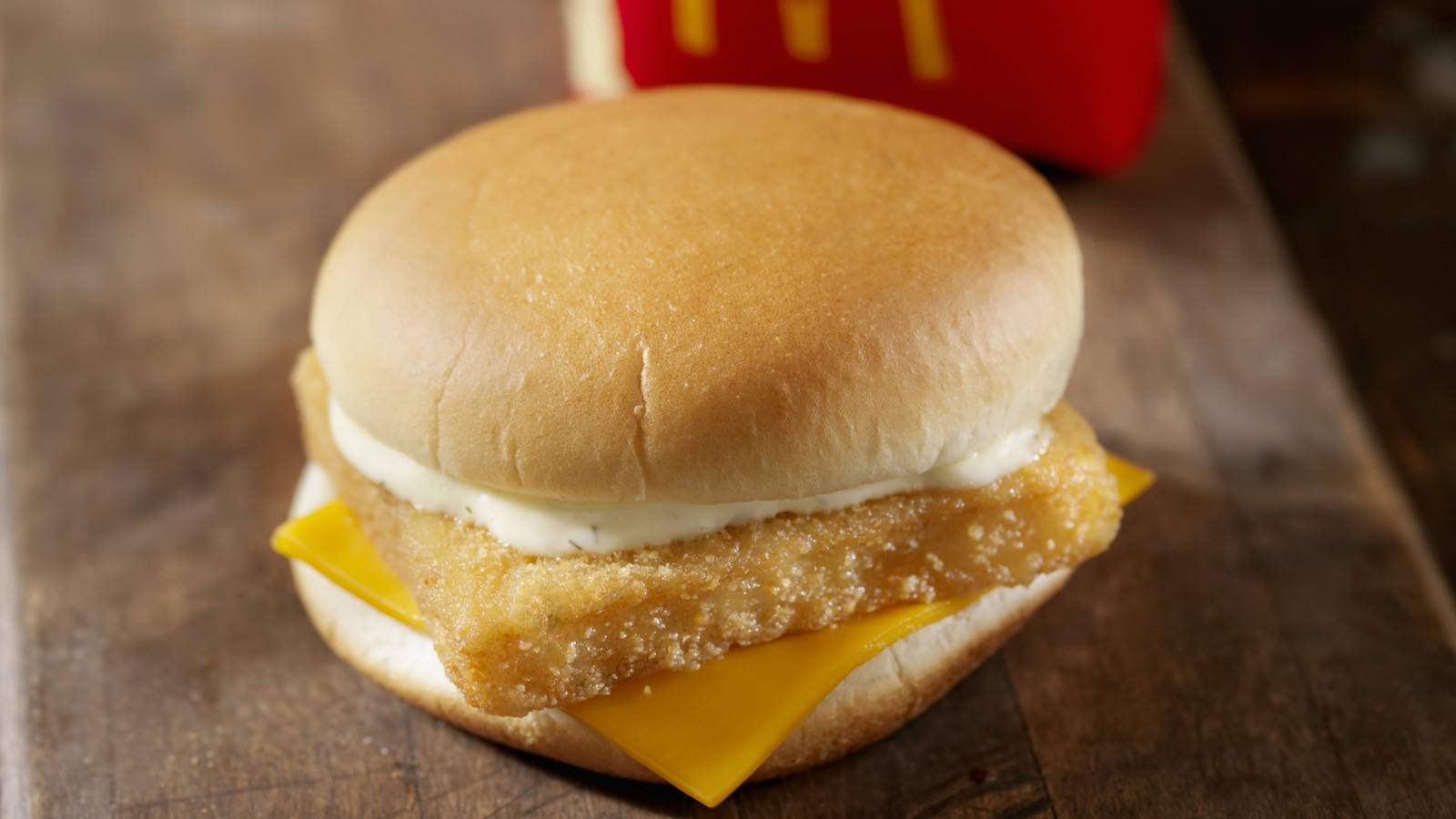
Opening the door to the restaurant was like stepping into another world - one with giant murals, striped walls, and hippo-shaped toilet seats. The eatery was part of a collection that included other restaurants named Monkey Inn and Crocodile Casbah, if that paints a better picture.
SF food
fromwww.npr.org
2 weeks agoThe MAHA movement is coming to school cafeterias. Here's what that means for kids
“I don't have a TikTok account, but they're telling me, 'Hey, I saw this on TikTok. Can you make this? Can we do this?'” said Nichole Taylor, supervisor of food and nutrition services at the Great Valley School District in Malvern, Pennsylvania. “I would have never asked my lunch lady to make something special for me. I would've just ate what they told me,” she said, adding that the students are “very engaged.”
SF food
#food-recalls
SF food
fromFast Company
2 weeks agoA growing list of snacks are being recalled over Salmonella fears: Toss these products sold at Target and elsewhere
Snack products using recalled buttermilk or powdered milk may contain Salmonella, prompting FDA compilation of affected brands and warning of infection symptoms.
fromwww.bbc.com
2 weeks agoPosh sandwich has more salt than nearly five cheeseburgers
Gail's has been approached for comment. Too much salt leads to high blood pressure, which is known as "the silent killer" as it raises the risk of heart attacks and stroke. Action on Salt & Sugar, based at Queen Mary University of London, found more than one in 10 sandwiches exceeded government salt targets and 44% would have to carry a red warning label on the packet due to their salt content.
SF food


SF food
fromFortune
2 weeks agoJapanese snack giant resorts to black-and-white bags of potato chips as Iran War literally sucks color out of the world | Fortune
Calbee will switch some snack packaging to black and white due to naphtha shortages from Middle East tensions affecting printing ink materials.
SF food
fromTasting Table
2 weeks agoEveryone Used To Eat This Scandalous Dessert - Now Younger Generations Would Be Confused By It - Tasting Table
Watergate salad is a retro dessert salad made with pistachio pudding, pineapple, Cool Whip, marshmallows, and pecans, now largely unfamiliar to younger generations.
SF food
fromFast Company
2 weeks agoJapan's biggest snack maker is changing its iconic chip bags because of a growing global crisis
Calbee will temporarily switch 14 snack product packages from bright colors to grayscale due to Middle East supply instability affecting naphtha used for packaging and ink.
fromTasting Table
2 weeks agoThe Myth About Recycling Food Plastic Everyone Needs To Stop Believing - Tasting Table
Recycling can be a complicated business, and plastic recycling makes it even harder. The biggest issue for most Americans is that recycling laws vary greatly between different cities and states - not just how you recycle, but what you can recycle. Plastics further complicate things, because the thousands of different potential chemical compositions greatly affect how recyclable they are. So, you might have been making the assumption that as long as your food plastic had a recycling symbol on it (the one with the triangle of arrows), it was recyclable. Well, think again.
SF food
[ Load more ]