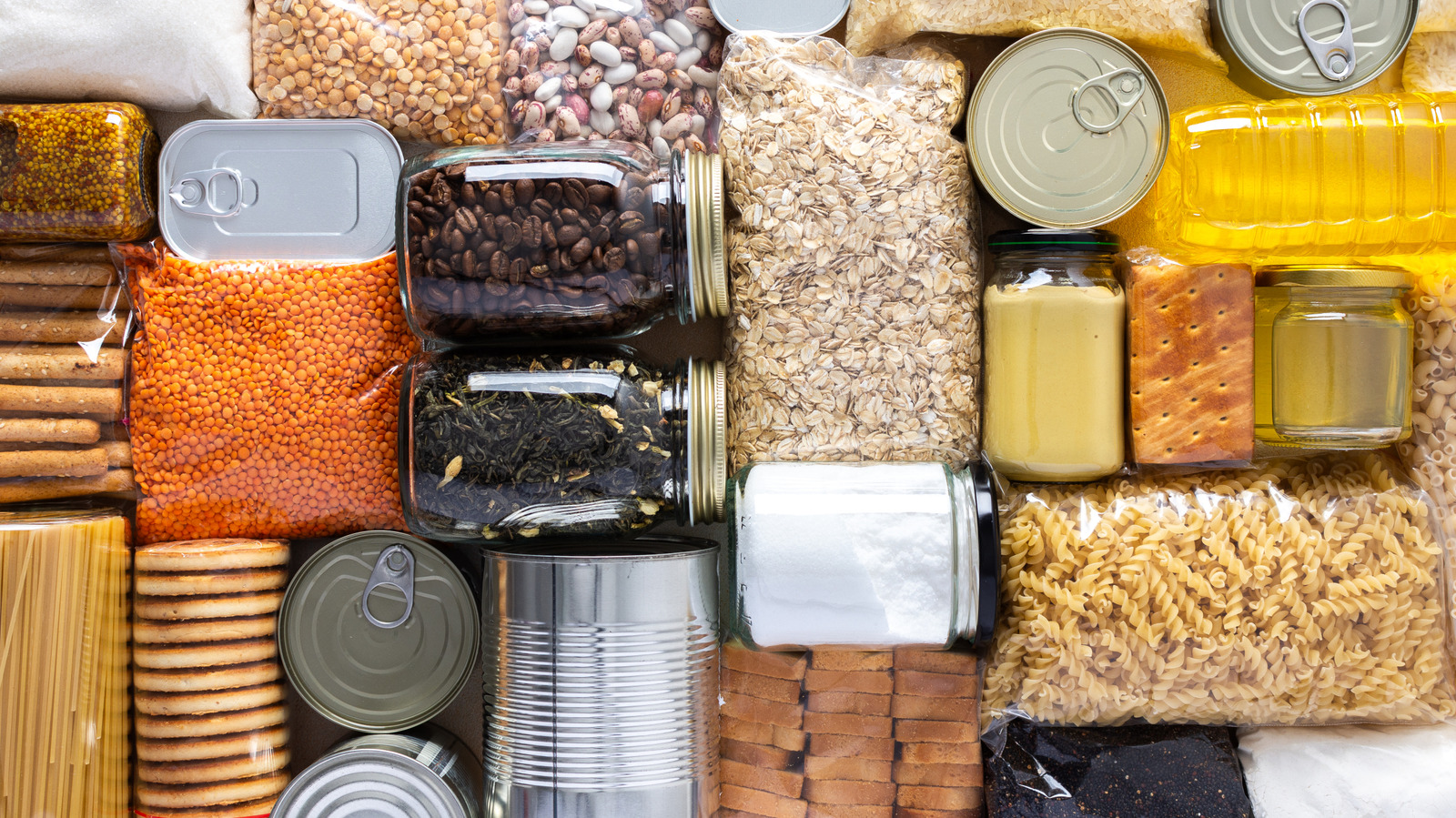
"While the United States is not a major importer of actual food from the Middle East, rising oil prices and a shutdown of natural gas production could have effects on the cost of shipping and producing food that will force Americans to tighten their grocery budgets. Crude oil prices surged on Monday and were up again on Tuesday, seeing more than a 10% jump from last week."
"The Persian Gulf region is also a major supplier of fertilizer, with more than one-third of the world's supply passing through the Straits of Hormuz, which are now shut down due to the war. If fertilizer doesn't make it to farms, it could lead to lower crop yields for all kinds of agricultural products, which would mean higher prices at the grocery store."
"The Middle East is a major part of the fertilizer supply chain because of its vast natural gas reserves. Natural gas is a major component in nitrogen-based fertilizers, which are critical for major agricultural products."
Food prices in the United States have risen approximately 30% since 2020, though the rate of increase has slowed recently with a 2.4% rise in 2025. However, escalating tensions with Iran in the Middle East pose a threat to this stabilization. While the U.S. does not heavily import food from the Middle East, the conflict impacts food costs through multiple channels. Rising crude oil prices increase shipping and production expenses for groceries. Additionally, the Persian Gulf region supplies over one-third of the world's fertilizer through the Straits of Hormuz, which are now disrupted. Natural gas from the Middle East is essential for producing nitrogen-based fertilizers critical to agriculture. These combined factors—higher energy costs and reduced fertilizer availability—could force crop yields down and grocery prices up.
Read at Tasting Table
Unable to calculate read time
Collection
[
|
...
]