Portland food
fromTasting Table
9 hours agoThe Best Places To Eat (And Shop) At Seattle's Pike Place Market - Tasting Table
Locals experience Pike Place Market differently, favoring hidden gems and quick meals over tourist hotspots.
The Flintstone cut is an intimidating endeavor, which can be served either house-style or blackened with secret 'steak magic'. This market-price offering can be further augmented with caramelized onions, scampi compound butter, or mushroom or béarnaise sauce.
Keystone Foods oversees the sourcing of 150 million pounds of beef and 300 million pounds of chicken for McDonald's restaurants, in addition to the fish for the Filet-O-Fish.
Many Marylanders boasted of serving their crab cakes with yellow mustard, with one user stating, 'growing up it was always fried crab cakes with saltine crackers and yellow mustard.'
Nearly 40 miles of untamed coastline are protected in Redwood National and State Parks in Northern California. This means that besides viewing the massive, jaw-dropping trees, visitors can also meander the Pacific Ocean's edge, marvel at cliffs and perhaps even spot a gray whale. Of course, the sea's bounty also provides a delicious meal at the end of a drive or a hike.
East Coast oysters are known and loved over the world for the clean minerality and distinctive salinity, which is reflective of the cold Atlantic waters where they come from. Although Maine and Maryland get a lot of credit, oysters are present along the continent's entire eastern coast, as far north as Canada's Prince Edward Island all the way down to South Florida.
Generally, East Coast oysters are brinier than West Coast oysters. Eastern oysters, raised either in the Atlantic Ocean or in its estuaries, live in a much saltier environment. West Coast oysters are mostly raised in protected bays, estuaries, and tidal rivers, where there is much less salt.
These oysters once existed in the millions here but were decimated by dredging, pollution and shoreline hardening. Now they're on the upswing, thanks to organizations like the Wild Oyster Project, which is working to build a "swimmable, edible Bay using the power of oysters."
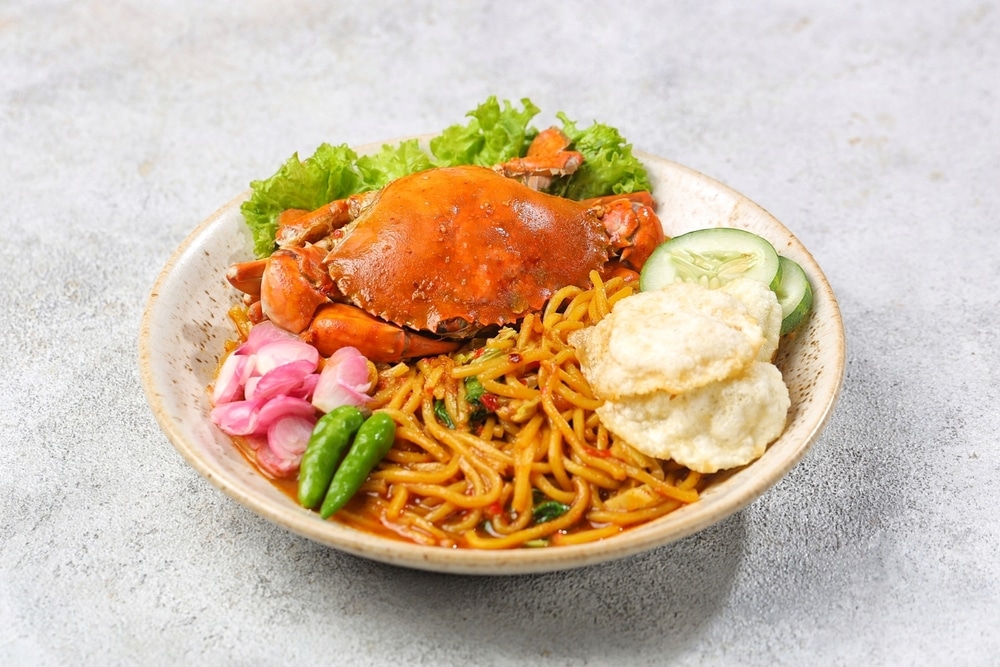
We are now in Dungeness season, which is the perfect time try one (or two) of Damansara's crustaceans. I ordered a chili crab with rice today as a first-season crab to have for lunch over the next two days. I will also make a broth out of the shells to freeze for spicy crab broth on demand. Hello, future bowls of ramen! The thought of this is truly comforting already.
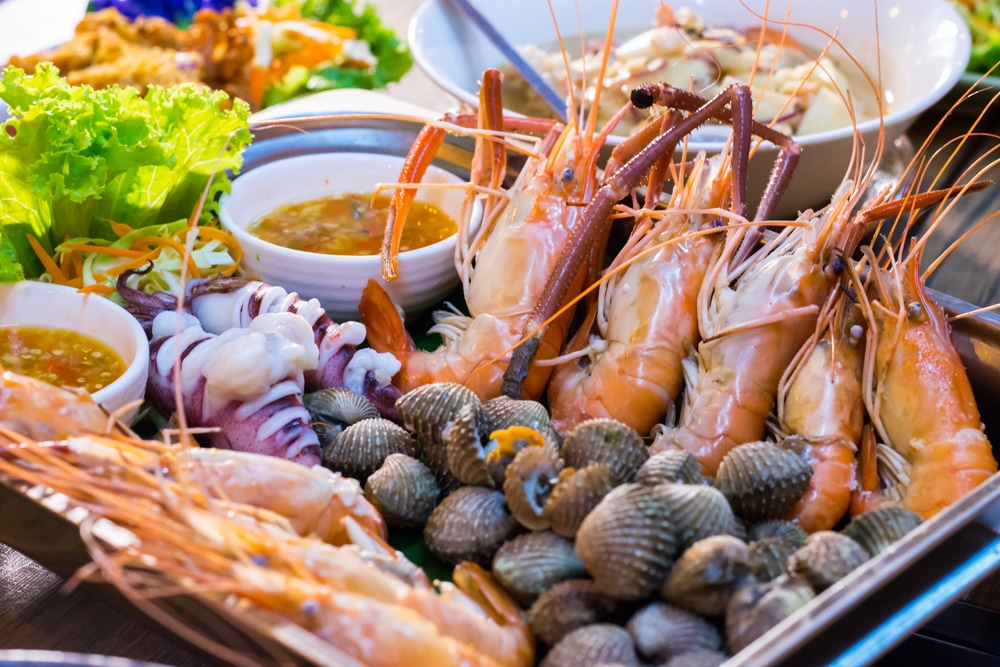
When it comes to the list of the most popular seafood in the U.S., shrimp is far and away the most consumed. While we tend to think of seafood as coming from saltwater oceans, this list also includes freshwater fish, clams and shrimp. It's true that most of shrimp we eat comes from saltwater habitats, but freshwater shrimp has its place at the table. Setting aside the distinction between shrimp and prawns, there are some key differences between freshwater and saltwater shrimp that you should know.
These scallops are wild caught in the Southwest Atlantic Ocean off the coast of Argentina, and while they are on the smaller end, they are every bit as delicious. Plus, you can feel good about buying them, as they are harvested using what is called an "otter trawl," a system that reduces bycatch and lands them among the more sustainable seafood options.