#vietnam-architecture
#vietnam-architecture
[ follow ]
#architecture #vietnam #urban-design #adaptive-reuse #design #cultural-heritage #residential-architecture
#architecture


Renovation
fromYanko Design - Modern Industrial Design News
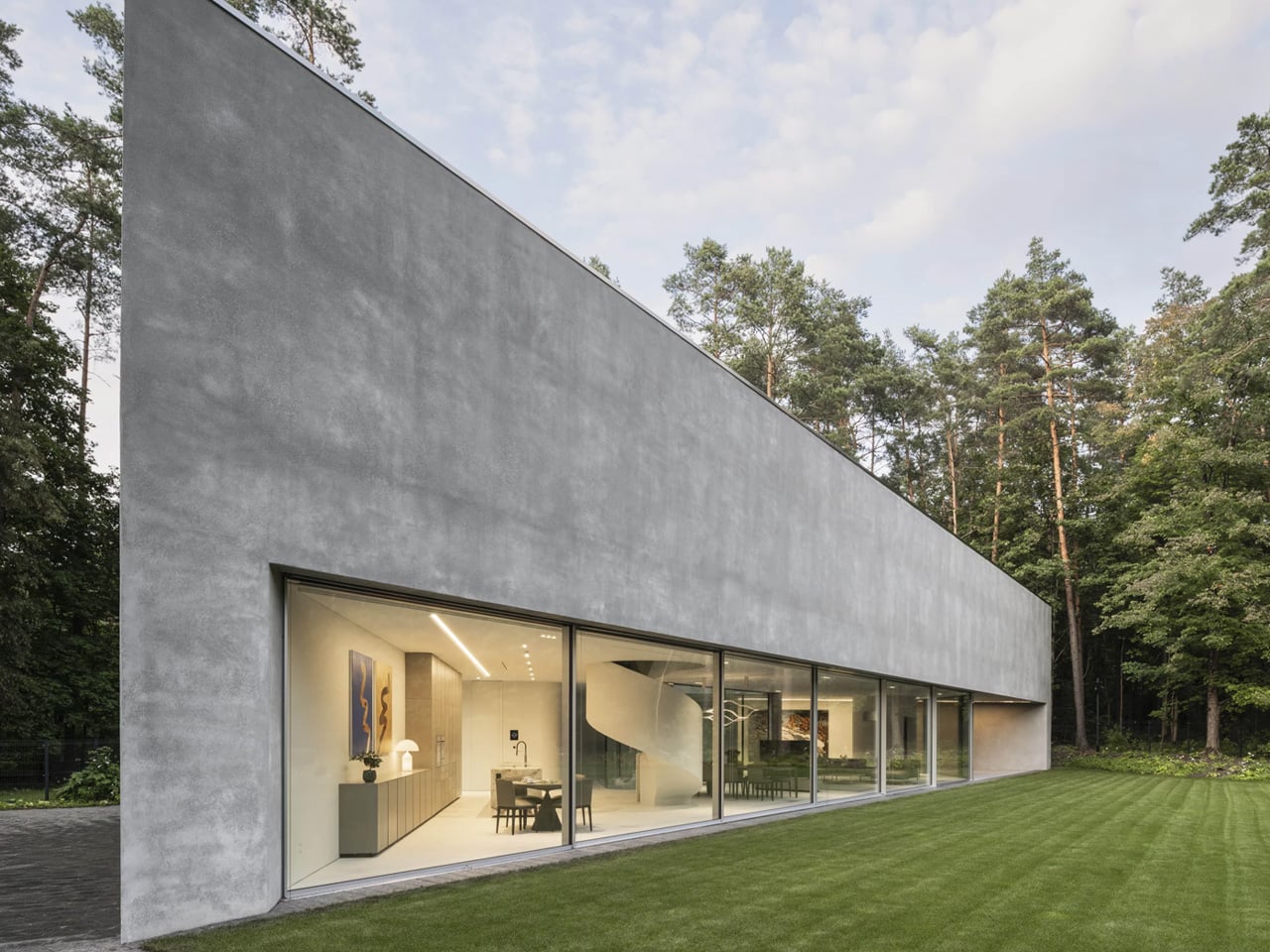
5 hours agoThis Sharp-Cornered Lithuanian Home Only Exists Because Planning Rules Wrecked the Original Design - Yanko Design
The Trim House by KWK Promes adapts to new planning regulations, resulting in a unique triangular design that enhances its architectural interest.
UX design
fromdesignboom | architecture & design magazine
5 days agohow wutopia lab's 'magical realism' turns everyday spaces into ethereal interior atmospheres
Wutopia Lab creates immersive architectural experiences that transform ordinary spaces into imaginative environments, enhancing perception through design elements like light and geometry.
fromArtnet News
6 days agoThe "Next Asian Art Hub" May Be the Wrong Question
In both places, there was a sense of energy building that was not yet fully visible. The experiences made me realize that, while sales totals and fair brands can serve as benchmarks of centrality, slower, structural transformations are taking place throughout Asia that merit closer attention.
Arts
fromArchDaily
4 days agoV&A East Museum by O'Donnell + Tuomey to Open in East London's Cultural Quarter
The two-building complex aims to spotlight the many ways global artists, designers, and makers use creativity to shape the world, dedicated to creative opportunity and its power to bring change.
London
Photography
fromArchDaily
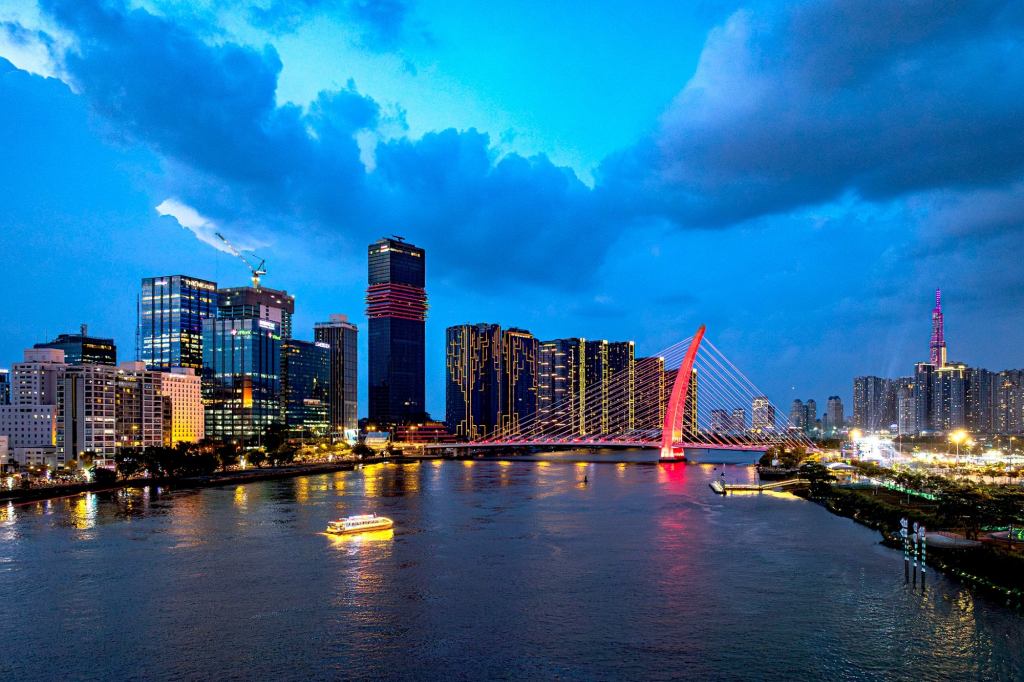
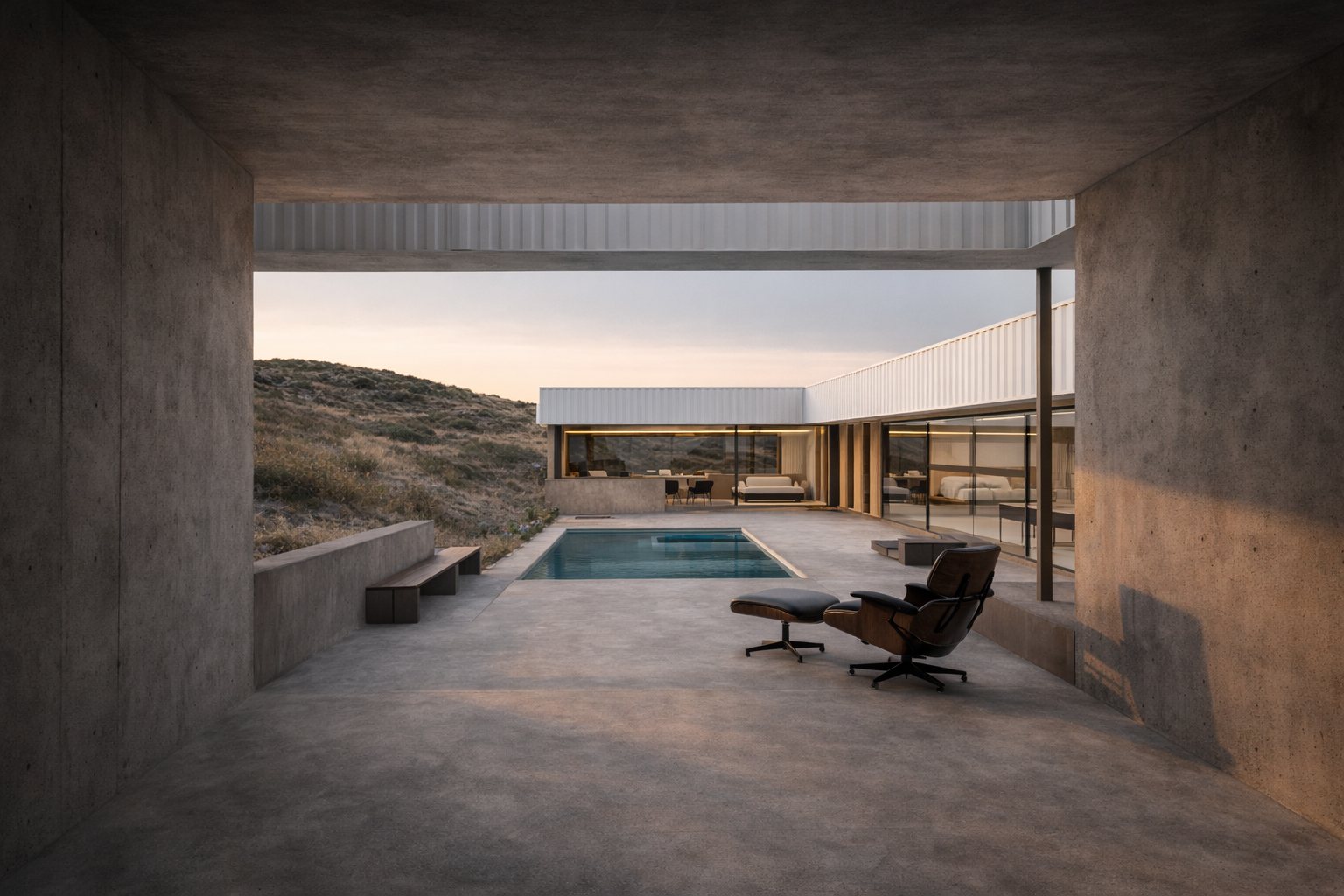
1 week ago40+ Contemporary Architectural Works Across Ecuador Captured by Francesco Russo and Luca Piffaretti
Photographers document Ecuador's architecture and landscapes, highlighting the country's evolving identity and the interplay between built environments and natural surroundings.

#residential-architecture
Renovation
fromArchDaily
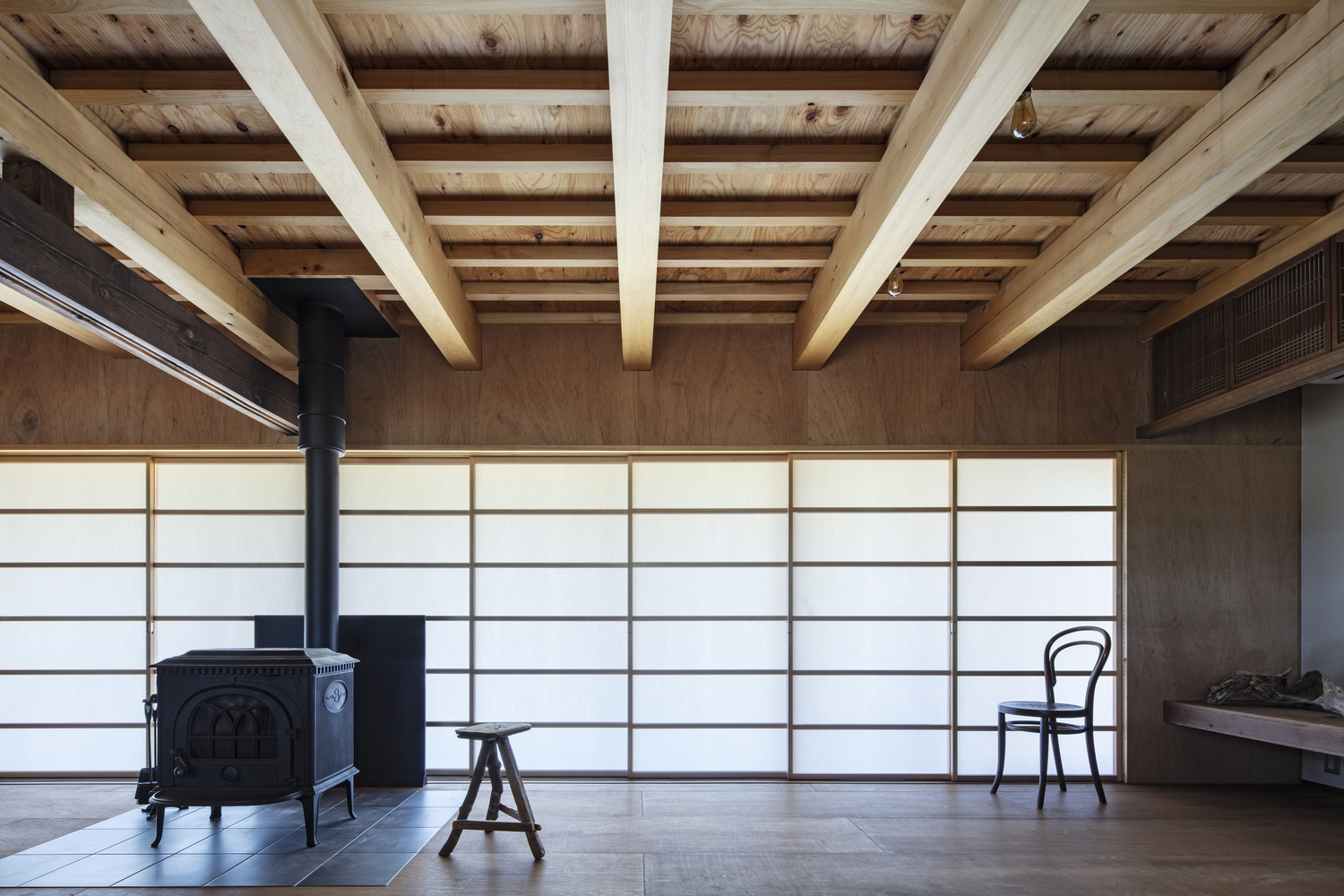
1 month agoRenovation and Continuity in Japanese Architecture: The Work of 1110 Office for Architecture
1110 Office for Architecture addresses societal and environmental transformation through careful residential renovations and precise spatial interventions that balance change with enduring elements.
fromConde Nast Traveler
2 weeks agoA Connoisseur's Guide to Phnom Penh, Cambodia's Captivating Capital
"I think Phnom Penh has become far more confident in its own voice. A few years ago, much of the retail and lifestyle scene felt either NGO-adjacent or heavily expat-driven. Now there's a noticeable shift toward Cambodian-led creative businesses that are designing for a more discerning local audience."
London
Photography
fromKALTBLUT Magazine
3 weeks agoUnveiling Saigon: Elska Magazine Celebrates the Heartbeat of Ho Chi Minh City Through Its Local Men - KALTBLUT Magazine
Elska Ho Chi Minh City showcases Vietnam's culture through personal stories and photography of local men, revealing the city's vibrant duality.
fromArchitectural Digest
1 month agoA Design Lover's Guide to Seoul: The Most Inspiring Places to See, Eat, and Shop
Seongsu-dong is Seoul's creative hub, where old warehouses and factories have been transformed into design studios, cafés, and showrooms. Often referred to as 'the Brooklyn of Seoul,' the industrial infrastructure, pop-up scene, and design-led façades make it a photo-friendly destination favored by many design-loving visitors.
Berlin
fromdesignboom | architecture & design magazine
2 weeks agophilippe starck plans nha estate as a coastal village of breezy villas in vietnam
Each Philippe Starck-designed villa begins with a grounded base formed in stone to give weight to the lower levels and establish a tactile connection to the earth. Above, the architect designs lighter structures, where glass and slender framing open the interiors toward the horizon.
Renovation
Travel
fromTravel + Leisure
1 month agoThis Small City Was Just Named the Most Welcoming Destination in Asia
Magong, Taiwan was named the most welcoming destination in Asia and second most welcoming in the world by Booking.com's 2026 Traveller Review Awards, with friendly locals creating a relaxed, welcoming atmosphere.
fromAeon
2 months agoFrom Michigan to Singapore, a meditation on dreams built on sand | Aeon Videos
A sprawling tale of two Singapores, the short documentary Sandcastles draws connections between Singapore, Michigan - a 19th-century ghost town swallowed by sand following widespread deforestation - and the island country of Singapore, where rapid development and land reclamation has, for decades, been enabled by the importation of sand. More poetic exploration than call to action, the work surveys waterways, cycles of development and the transient nature of sand - deceptively sturdy over short timescales but, over decades, quite volatile.
Philosophy
France news
fromOpen Culture
2 months agoHow This Skyscraper Ruined Paris, and Why They're Now Trying to Make It Invisible
Tour Montparnasse symbolizes Parisian modernity and commercialism but remains widely disliked as the city's lone central skyscraper, contrasting with celebrated landmarks like the Eiffel Tower.
fromwww.dw.com
2 months agoVietnam boosts EU partnership to match ties to China, US
The announcement of a "Comprehensive Strategic Partnership" between Brussels and Hanoi last week places the EU side by side with China, the United States, and Russia as one of Vietnam's top-tier diplomatic relationships. Vietnamese President Luong Cuong described it as a "historical milestone underlining the great achievements that the two sides have made," during a meeting with the head of the European Council, Antonio Costa, in Hanoi.
Miscellaneous
fromwww.theguardian.com
2 months agoSchools, airports, high-rise towers: architects urged to get bamboo-ready'
For many years, bamboo has been mostly known as the favourite food of giant pandas, but a group of engineers say it's time we took it seriously as a building material, too. This week the Institution of Structural Engineers called for architects to be bamboo-ready as they published a manual for designing permanent buildings made of the material, in an effort to encourage low-carbon construction and position bamboo as a proper alternative to steel and concrete.
Environment


fromdesignboom | architecture & design magazine
1 month agovernacular bridge craftsmanship informs micro-museum set within bamboo grove in china
Baqiao bridges, including the nearby Shisanba Bridge, typically appear in areas where the difference between river level and embankment is relatively small. Their upstream piers are shaped like tapered spindles with slightly raised tips, creating a distinctive structural profile. Stone slabs span between the piers, forming a bridge deck assembled through interlocking construction methods.
Design
Renovation
fromdesignboom | architecture & design magazine
1 month agobrick and concrete sculpt elevated riverfront residence in thailand by bodinchapa architects
BodinChapa Architects reinterprets traditional Lanna vernacular architecture through a contemporary twin-house design that integrates climate responsiveness, functional separation, and water management systems.
Arts
fromArchDaily
1 month agoLondon's Brutalist Heritage and Australia's New City: This Week's Review
Architecture increasingly emphasizes social responsibility, adaptive cultural projects, heritage protection, and large-scale urban planning aligning infrastructure, resilience, and long-term civic agendas.
Arts
fromThe Art Newspaper - International art news and events
2 months agoSingapore cements its role as a hub for art-and artists-in Southeast Asia
Singapore functions as a regional hub and melting pot for Southeast Asian art, offering institutional support, openness, and market access that boost the region's profile.
Renovation
fromdesignboom | architecture & design magazine
1 month agocentury-old courtyard villa in vietnam revives as matte teabar flagship
The Lab Saigon transformed a century-old French villa into a contemporary teabar by preserving historic architecture while introducing modern monolithic elements that create spatial contrast and functional organization.
Design
fromdesignboom | architecture & design magazine
2 months agorippling metal roof drapes over interlocking stone volumes of vietnamese cafe
Asymmetrical interlocking volumes and a sloped, westward roof with layered metal cladding create a sun-shaded, material-rich café that encourages movement and slow rhythms.
fromwww.archdaily.com
2 months agoBen Tre Bungalow / VTN Architects (Vo Trong Nghia Architects)
Hiroyuki Oki + 13 Principal Architect: Vo Trong Nghia, Nguyen Tat Dat Design Team: Nguyen Van Tung, Tran Thi Khanh Anh More SpecsLess Specs Hiroyuki Oki Text description provided by the architects. This project is located in Ben Tre, Vietnam, and was completed in 2021. With a total area of 430m2, the project includes 3 bedrooms and one living room, each with a view of the nearby river.
Design
Design
fromdesignboom | architecture & design magazine
2 months agocurved cutouts sculpt fluid voids within gabled residence in vietnam
Tam House reinterprets Hoi An tube-house typology into a continuous, curved volume with central atrium, split levels, material references to improve light, ventilation, privacy.
fromwww.archdaily.com
2 months agoSadec Garden Hotel / PAU Architects
Sadec Garden is a small-scale accommodation project newly designed and located in the flower village of Sa ec, ong Thap, Vietnam. The project is approached as a quiet place of temporary stay, where architecture does not seek visual prominence but operates as a background for landscape, light, and local daily life. Rather than pursuing expressive forms, the design adopts an attitude of restraint, focusing on spatial organization, experiential sequence, and a soft relationship between architecture and the riverine context of Sa ec.
Design
Design
fromdesignboom | architecture & design magazine
1 month agorepetitive vertical fins enfold concrete structure embedded within thailand's mountainscape
SIM STUDIO embeds a linear concrete structure in Thailand's mountainous terrain using repetitive vertical fins as climatic filters, spatial organizers, and structural elements that frame views and regulate light.
Design
fromArchDaily
2 months agoHeritage Transformations, New Capital Cities, and Residential Innovations: This Week's Review
Adaptive reuse, landscape integration, and conservation strategies extend the life and cultural relevance of built environments amid material, infrastructural, and geopolitical challenges.
fromdesignboom | architecture & design magazine
2 months agorecycled plastic bags and handmade paper form public art pavilion T10A in vietnam
ODDO architects shape the public art pavilion T10A in Hanoi, Vietnam using over 40,000 recycled plastic bags as well as handmade paper. Developed as a temporary exhibition space for Vietnamese architecture projects, the design team draws inspiration from Hanoi's craft heritage. The structure includes traditional handmade paper, known locally as Giấy Dó alongside the recycled plastic. Alongside the public art pavilions, there are paper domes within which visitors can explore the architectural drawings and information of the exhibitions from inside.
Design
fromdesignboom | architecture & design magazine
1 month agoexutoire shifts the core of 1990s tube house to form studio-home in hanoi
Emerging in large numbers during Vietnam's construction boom of the 1990s, tube houses are defined by their narrow plots and deep plans, often resulting in dim and stuffy interiors. Exutoire reorganizes the core of the building and relocates the staircase, previously positioned at the center and acting as a spatial barrier, to the back of the plot and removes transverse partitions to open up each level, allowing light and air to travel freely through the depth of the house.
Renovation
fromArchDaily
1 month agoHeritage Without Permanence: When Architecture Endures by Disappearing
A Gothic cathedral can take centuries to complete. A world exposition pavilion may stand for six months. A ritual structure in Kolkata rises and vanishes within five days. Yet each draws pilgrimage, shapes collective memory, and reorganizes urban life. If heritage has long been defined by what endures, architecture repeatedly shows that cultural authority can also belong to what gathers people.
Design
Design
fromdesignboom | architecture & design magazine
2 months agobuilt99 reframes indian architectural value selected by designboom and archdaily editors
Built99 curates and archives 99 Indian and Global South architectural practices through permanence-led documentation, editorial collaboration, and rigorous criteria for long-term cultural relevance.
[ Load more ]