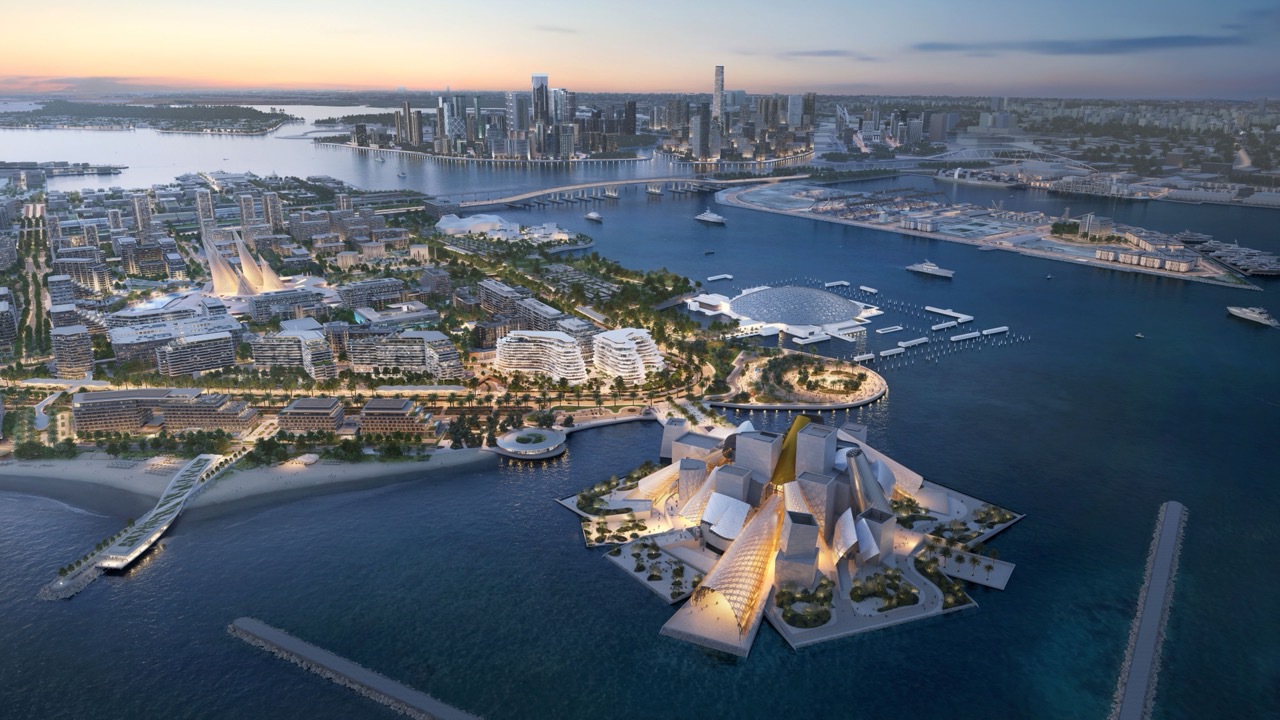
"This week's news landscape brought together diverse approaches to built and cultural heritage, ranging from the design of a Museum of Jesus' Baptism at a UNESCO World Heritage Site in Jordan to major transformations of modern industrial sites and the development of major cultural districts. The World Monuments Fund's support for 21 locally led heritage projects foregrounds conservation strategies that reinforce the role of architecture in safeguarding both material and intangible heritage."
"Across this week's highlighted projects, adaptive reuse, landscape integration, and the reconfiguration of civic space emerge as recurrent strategies for extending the life and relevance of existing built environments. The projects also reflect broader contemporary concerns, including material research in timber construction, zero-waste urban installations, large-scale residential efficiency, and infrastructure upgrades linked to global events like the Olympic Games. Framing these developments within a wider territorial perspective,"
Projects highlighted include a Museum of Jesus' Baptism at Bethany, designs transforming industrial sites in Los Angeles and Hangzhou, and development of major cultural districts. The World Monuments Fund supports 21 locally led heritage projects promoting conservation strategies that protect material and intangible heritage. Recurrent strategies include adaptive reuse, landscape integration, and reconfiguration of civic spaces to extend the life and relevance of existing built environments. Contemporary concerns addressed include timber material research, zero-waste urban installations, large-scale residential efficiency, and infrastructure upgrades tied to global events like the Olympic Games. Discussions of capital city relocations illustrate how geopolitical shifts influence architectural planning and territorial organization.
#heritage-conservation #adaptive-reuse #cultural-districts #infrastructure-upgrades #territorial-planning
Read at ArchDaily
Unable to calculate read time
Collection
[
|
...
]