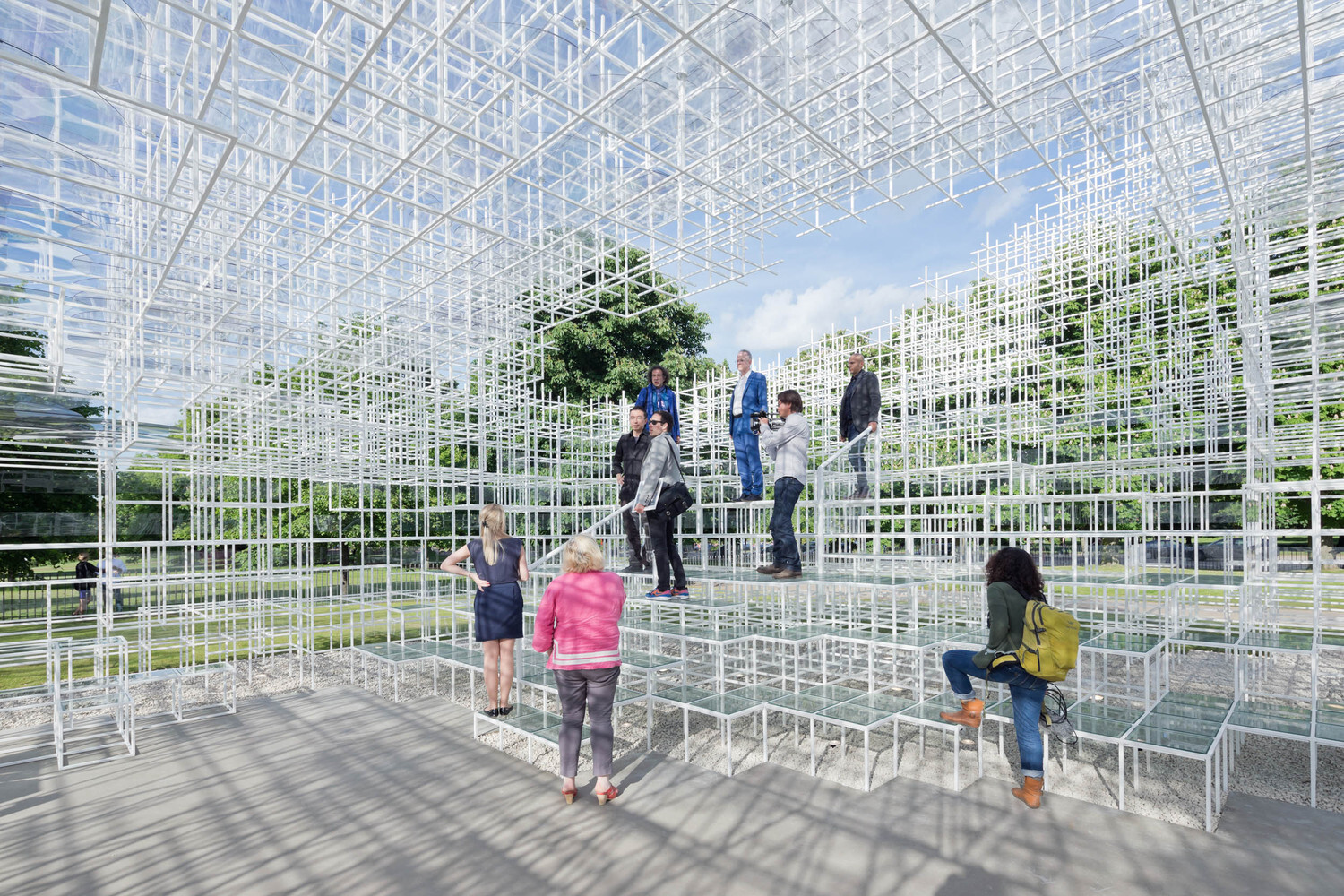
"A Gothic cathedral can take centuries to complete. A world exposition pavilion may stand for six months. A ritual structure in Kolkata rises and vanishes within five days. Yet each draws pilgrimage, shapes collective memory, and reorganizes urban life. If heritage has long been defined by what endures, architecture repeatedly shows that cultural authority can also belong to what gathers people."
"That framework widened in 2003, when the UNESCO Convention for the Safeguarding of the Intangible Cultural Heritage recognized that traditions, skills, and rituals are forms of heritage in their own right. Instead of conserving walls alone, institutions were asked to safeguard the transmission of how knowledge moves across generations. The shift did not abandon monuments, but it made space for another possibility: architecture might matter because of what it hosts, not only because of how long it survives."
Architectural projects range from centuries-long cathedrals to ephemeral ritual structures, yet all attract pilgrimage, shape collective memory, and reorganize urban life. Twentieth-century conservation prioritized material permanence and authenticity, as reflected in the Venice Charter's focus on fabric. The 2003 UNESCO Convention expanded heritage to include traditions, skills, and rituals, emphasizing transmission across generations. Architectural theory by Bernard Tschumi and Rem Koolhaas frames space as produced through events, occupation, and spectacle. Temporary commissions like the Serpentine Pavilion illustrate that architectural significance can arise from what a space hosts rather than its longevity.
Read at ArchDaily
Unable to calculate read time
Collection
[
|
...
]