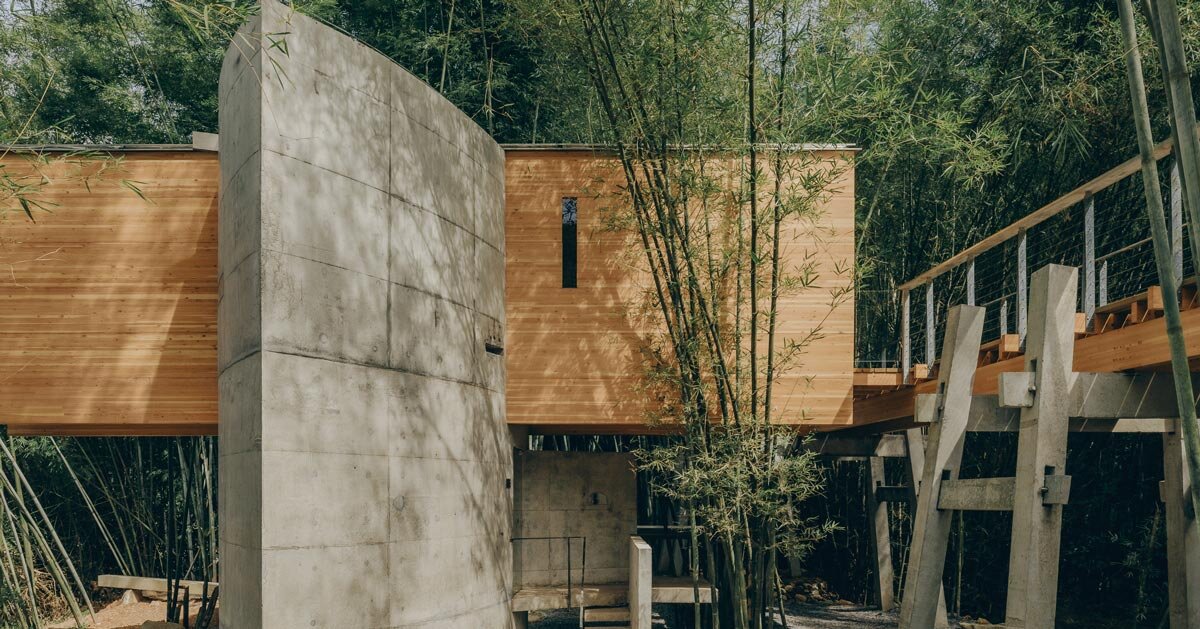
The Huizhou Vernacular Historic Bridges Micro-Museum, positioned beside Shisanba Bridge in Mazha Town, documents and interprets traditional bridge construction across the Huizhou region. Part of a larger 218-kilometer scenic tourism route initiative, the museum combines exhibition spaces with visitor amenities including tea service, restrooms, and seating. Research identified two primary vernacular bridge types: baqiao (goose-chest bridges) found where river-embankment height differences are minimal, featuring tapered spindle-shaped piers and interlocking stone slabs; and gaoqiao (bench-leg bridges) occurring in higher riverbank locations with narrower spans, utilizing splayed stone posts connected by mortise-and-tenon joints. These construction methods reflect sophisticated stone-working traditions evident throughout local architecture.
"Baqiao bridges, including the nearby Shisanba Bridge, typically appear in areas where the difference between river level and embankment is relatively small. Their upstream piers are shaped like tapered spindles with slightly raised tips, creating a distinctive structural profile. Stone slabs span between the piers, forming a bridge deck assembled through interlocking construction methods."
"Gaoqiao bridges occur in locations where riverbanks rise higher above the water and the span is narrower. In these structures, long and slender stone posts splay outward and downward, resembling the legs of a bench. Mortise-and-tenon joints connect the vertical posts with horizontal beams, demonstrating a sophisticated stone-working tradition."
#vernacular-architecture #historic-bridges #traditional-construction-methods #cultural-heritage-preservation #regional-tourism
Read at designboom | architecture & design magazine
Unable to calculate read time
Collection
[
|
...
]