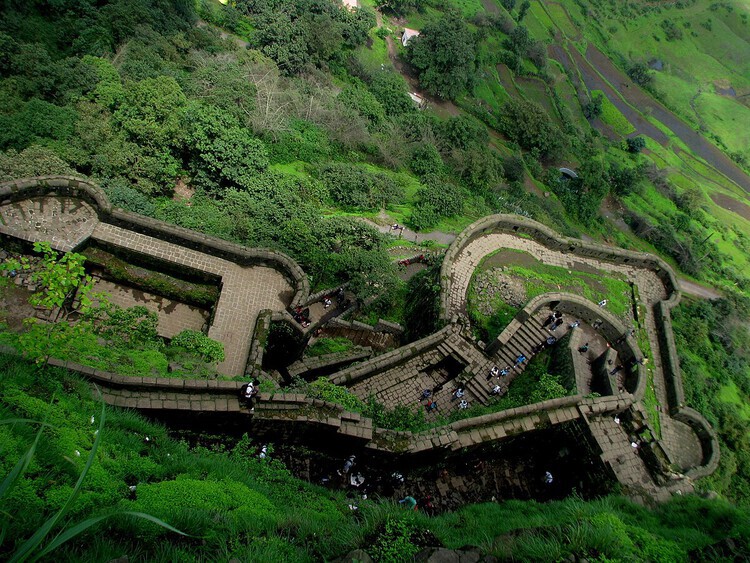
"A building still being adjusted, repaired, and debated is declared World Heritage. Another, equally influential, must survive five centuries before anyone considers protecting it. This is not an anomaly in the heritage system; it is the system. Across the world, architecture does not age at the same pace because time itself is not neutral. It is cultural, political, and deeply uneven. What we call " heritage" is not simply old architecture; it is architecture that has reached the right moment in a particular place."
"Most global preservation frameworks were shaped in Europe, where cities grew slowly, and monuments were built to last. Stone walls, heavy masonry, and incremental change produced an idea of heritage as something that emerges over centuries. Time, in this model, is cumulative: buildings gather value as they endure. This assumption still underpins international criteria today, from UNESCO's emphasis on material authenticity to conservation doctrines that prioritize original fabric. Longevity is treated not as a cultural preference but as a universal standard."
Heritage designation depends on temporal and cultural contexts rather than age alone. European-shaped preservation frameworks equate durability and material authenticity with value, assuming slow urban growth and political continuity. Those assumptions embed a worldview that treats longevity as a universal standard. Rapid urbanization in Asia, Africa, and parts of Latin America compresses centuries of change into decades, transforming neighborhoods within a generation. In fast-growing cities, waiting for buildings to age often results in their loss. Heritage in such contexts must be identified under pressure, and accelerated change alters how cultural value is recognized and preserved.
Read at ArchDaily
Unable to calculate read time
Collection
[
|
...
]