#conservation-policy

[ follow ]
History
fromArchDaily
2 days ago

Who Decides What Is Worth Preserving? Power and Heritage in Latin America

Heritage is a community-rooted process linking identity, place, and memory, shaped by contested professional decisions amid inequality and ecological crisis.
Environment
fromSFGATE
1 week ago

Calif. mountain lions gain landmark protections weeks after SF sighting

California mountain lions across multiple ranges are now protected as threatened under the state's endangered species act, making it illegal to harm or kill them.
Philosophy
fromArchDaily
1 week ago

When Do Buildings Begin to Matter? Rethinking Heritage in Local Time

Global heritage systems prioritize longevity and material authenticity rooted in European slow-growth models, disadvantaging rapidly changing cities where cultural time operates unevenly.
Environment
fromSFGATE
3 weeks ago

As Hawaii turtles rebound, Native Hawaiians seek harvest rights

Rising Hawaiian green sea turtle populations prompt Native Hawaiians to seek limited cultural harvest rights amid tourism and legal protections.
Environment
fromNature
3 weeks ago

Biodiversity conservation has an evidence problem - it's time to fix it

Conservation measures often lack robust scientific evidence, so biodiversity protection requires higher-quality research and improved use of evidence in policymaking.
Environment
fromBoston.com
1 month ago

A rare whale is having an encouraging season for births. Scientists warn it might still go extinct.

North Atlantic right whale numbers are rising slightly to about 384, but far more calves and stronger protections are needed to avoid extinction.
Environment
fromHigh Country News
1 month ago

A wilderness warrior to the core - High Country News

Andy Wiessner, an 80-year-old conservation leader, leaves a 40-year board tenure after decades protecting Western wilderness and arranging public-land exchanges.
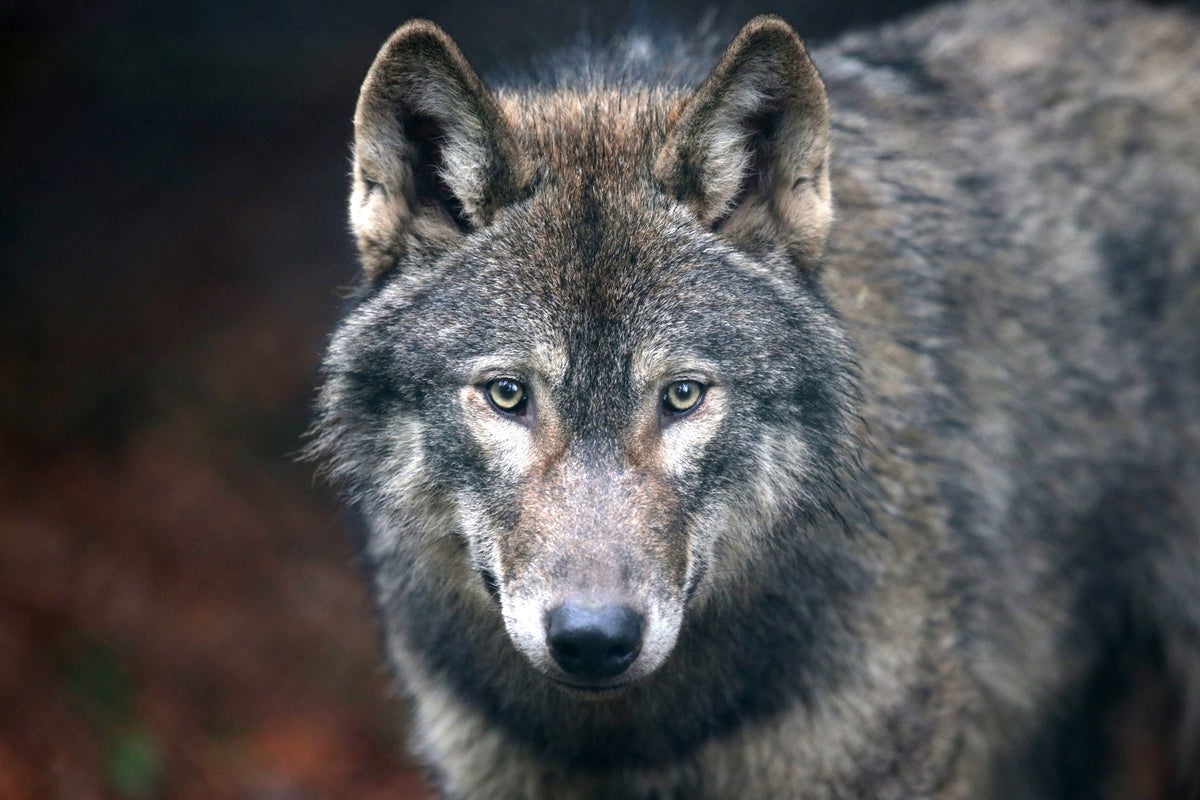
#wolves
fromwww.theguardian.com
4 months ago

Leading conservationists just decided that genetically engineering wild animals is OK sometimes. They're right | Helen Pilcher

Do you think we should genetically modify wildlife? What if we could make seabirds resistant to the flu that has been exterminating them en masse, just by tweaking their DNA a smidgen? Or make fish that can shrug off pollution, or coral that can survive warming waters? Engineer in the sorts of change that could occur naturally, given enough time, if only the wildlife would stop dying already. Thanks to newly emerging methods, such as Crispr, these feats are within reach.
Science
Environment
fromwww.npr.org
4 months ago

Scientists are modifying wildlife DNA. Should these species be released into nature?

Debate centers on whether gene-editing should be used to bolster species resilience or be temporarily banned from wild releases due to ecological risks.
Environment
fromwww.theguardian.com
4 months ago

More than half of world's bird species in decline, as leaders meet on extinction crisis

61% of assessed bird species are experiencing population declines driven largely by deforestation and habitat loss.
fromNature
4 months ago

Stop destructive fishing in marine protected areas

Marine protected areas (MPAs) are key to conservation at sea, yet fishing is allowed in more than 90% of them. Defining the types of fishing that are compatible with conservation goals is urgent, given that the United Nations high seas treaty - a global accord with a mechanism for creating MPAs - comes into force in early 2026. doi: https://doi.org/10.1038/d41586-025-03277-0Competing Interests The authors declare no competing interests.
Environment
World news
fromwww.dw.com
5 months ago

Maasai face pressure as Tanzania eyes relocations DW 09/24/2025

Tanzania's authorities and park rangers enact relocations and cattle seizures around Lake Natron and Ngorongoro, threatening Maasai livelihoods and food security.
Science
fromwww.npr.org
6 months ago

New study raises questions about effectiveness of wolf hunting as a tool to help ranchers

Wolf hunting in the Western U.S. minimally reduces livestock losses; killing roughly 14 wolves is required to save the equivalent of one cow.
[ Load more ]