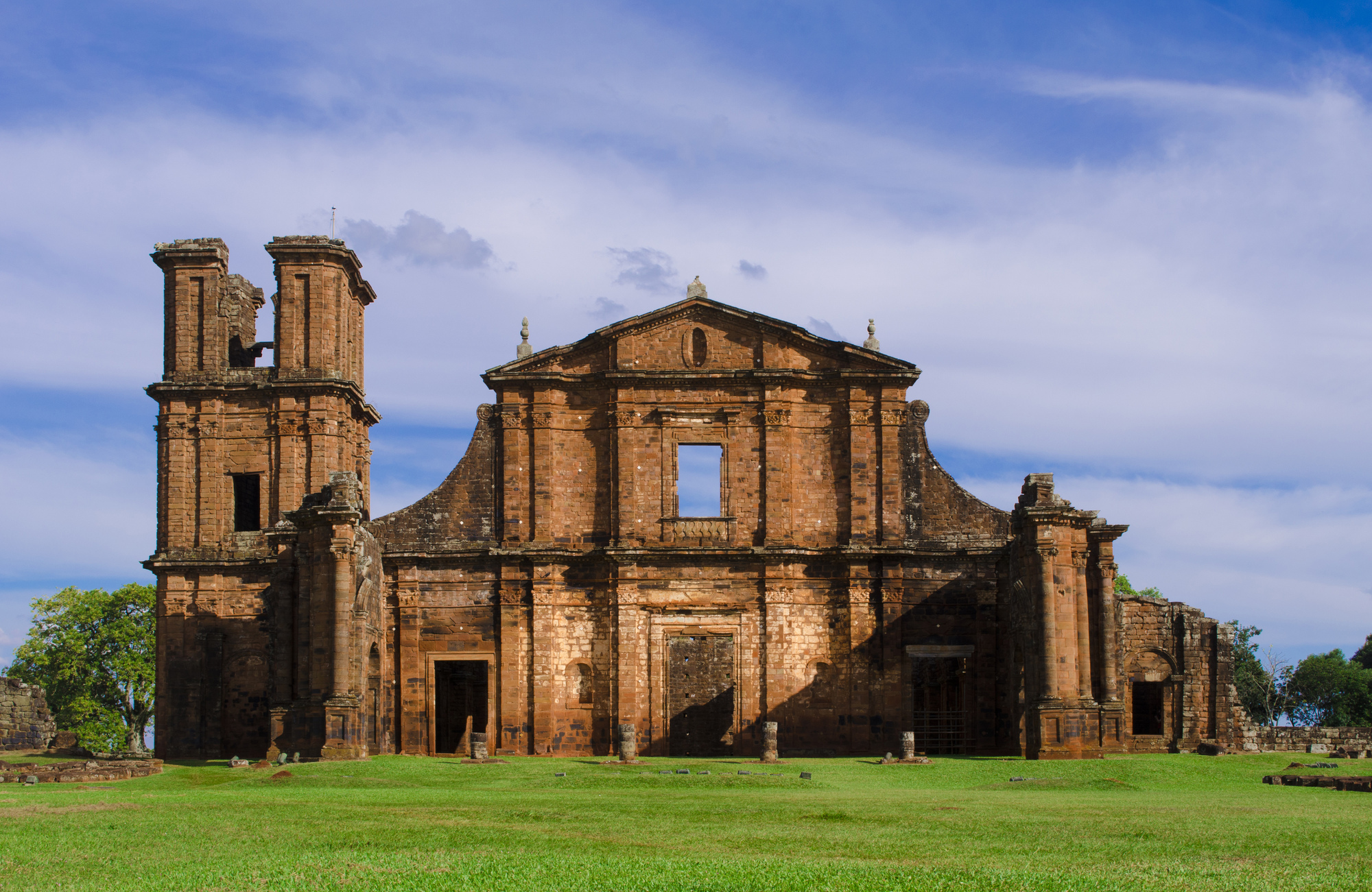
"To begin discussing heritage, it is necessary to recognize that there are multiple definitions of the term, many of which are tied to the idea that only specialists and professionals should be responsible for managing and preserving material and natural heritage. However, contemporary research and practice have shown that heritage is not limited to what is material or physical. Rather, it constitutes a relationship between identity, place, and memory, and is therefore directly connected to the community that lives with it or has lived through it."
"Researcher Laurajane Smith argues that heritage is a process-a performance-that embodies specific ways of knowing and understanding the world. Through it, we identify values that give meaning to the present and help define what we consider important for the future. In this sense, she emphasizes that heritage is much more than a collection of material objects, whether artifacts or buildings. What matters is how they are appropriated, without sep"
Decisions about what to preserve typically rest with specialized professionals, raising questions about the criteria and versions of history that guide those choices. Global inequality, historical injustices, and ecological threats are prompting new waves of reconstruction affecting cities, architectures, communities, and heritage. Heritage extends beyond physical objects to embody relationships among identity, place, and memory, and it is intimately connected to the communities that live with it. Heritage functions as a process and performance that embodies ways of knowing, identifies values for the present, and helps define priorities for the future.
Read at ArchDaily
Unable to calculate read time
Collection
[
|
...
]