Philosophy
fromPsychology Today
2 days agoAI and the Meaningless Gap
The comparison between AI and human intelligence may be fundamentally flawed as they occupy different spaces of cognition.
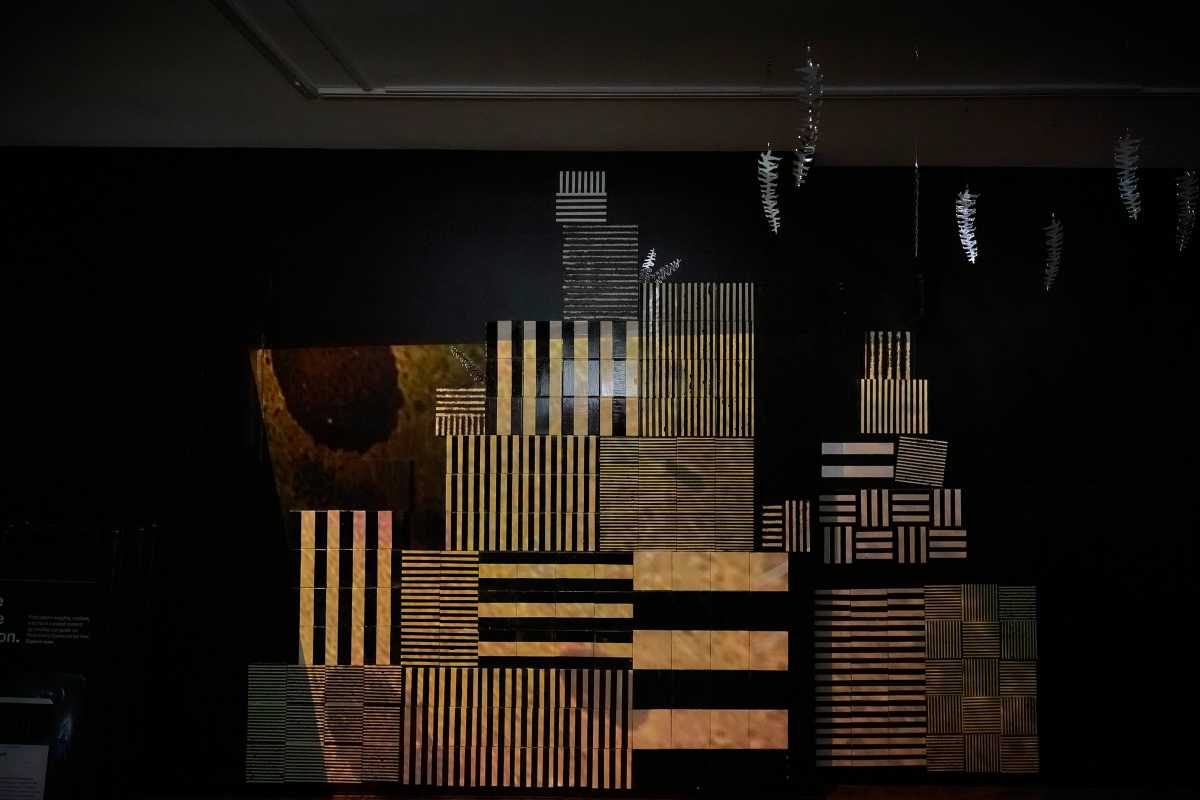
'Gebedswolke iii (prayer cloud)' is an installation made up of charms, wire and metallic disks suspended from the ceiling, representing an ethereal constellation of floating forms and a continuation of a motif (the cloud) that South African artist Igshaan Adams has worked with over the past ten years, initially as scribbles and later as installations, including some made from dust.
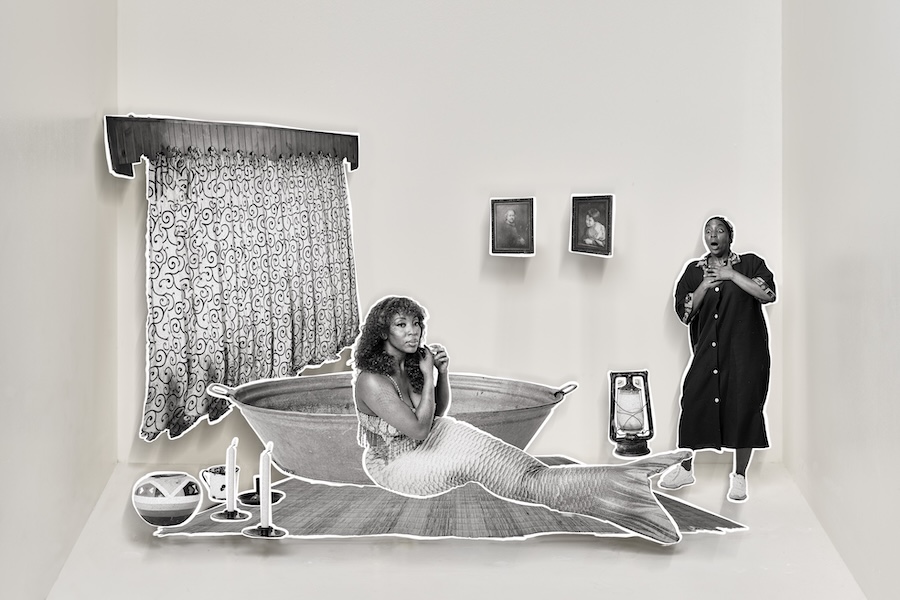
Dilara, the protagonist of this début novel, is consumed by the absence of a stable home in her life. She and her family flee Turkey, where she is from, after a failed coup in 2016. When they end up in Italy, something inexplicable happens: Dilara's bathroom transforms into a cell in an infamous prison on the outskirts of Istanbul.
This story is about complexity, advanced math, cognition, and machine computation. But hold on. For this exercise, my task is to take this complex idea and reduce it-to simplify it into something less daunting and (I hope) a bit easier to understand. So, let's take a step back. My bet is that most of us learned our first piece of geometry with two letters: x and y.
I won't, I promise, refer to Felicity Kendal as Tom Stoppard's muse. No, she says firmly. Not this week. Speaking to Stoppard's former partner and longtime leading lady is delicate in the immediate aftermath of the writer's death. But she is previewing a revival of his Indian Ink, so he shimmers through the conversation. The way Kendal refers to Stoppard in the present tense tells its own poignant story.
When Nick Watkins was a child, he pasted articles about space exploration into scrapbooks and drew annotated diagrams of rockets. He knew this because, years later, he still had the scrapbooks, and took them to be evidence that he had been a happy child, although he didn't remember making them. When he was seven, in the summer of 1969, his father woke him up to watch the moon landing; it was the middle of the night where they lived, near Southampton, in England.
When we talked, it wasn't just about jobs or kids or where life had taken us. It was also about remembering who we used to be - those fearless, awkward, hopeful kids who thought the world was ahead of them. There's something grounding about being seen like that again, by the people who knew your firsts and loved you just as you were.
I still have that copy; I've carried it through half a dozen states and a dozen moves and uncountable phases of my life. Twenty-seven years later, its pages are vanilla-sweet, from the decaying lignin; the imprint was long ago absorbed into another. But "I Who Have Never Known Men," which was first published thirty years ago, in French, has found new life.