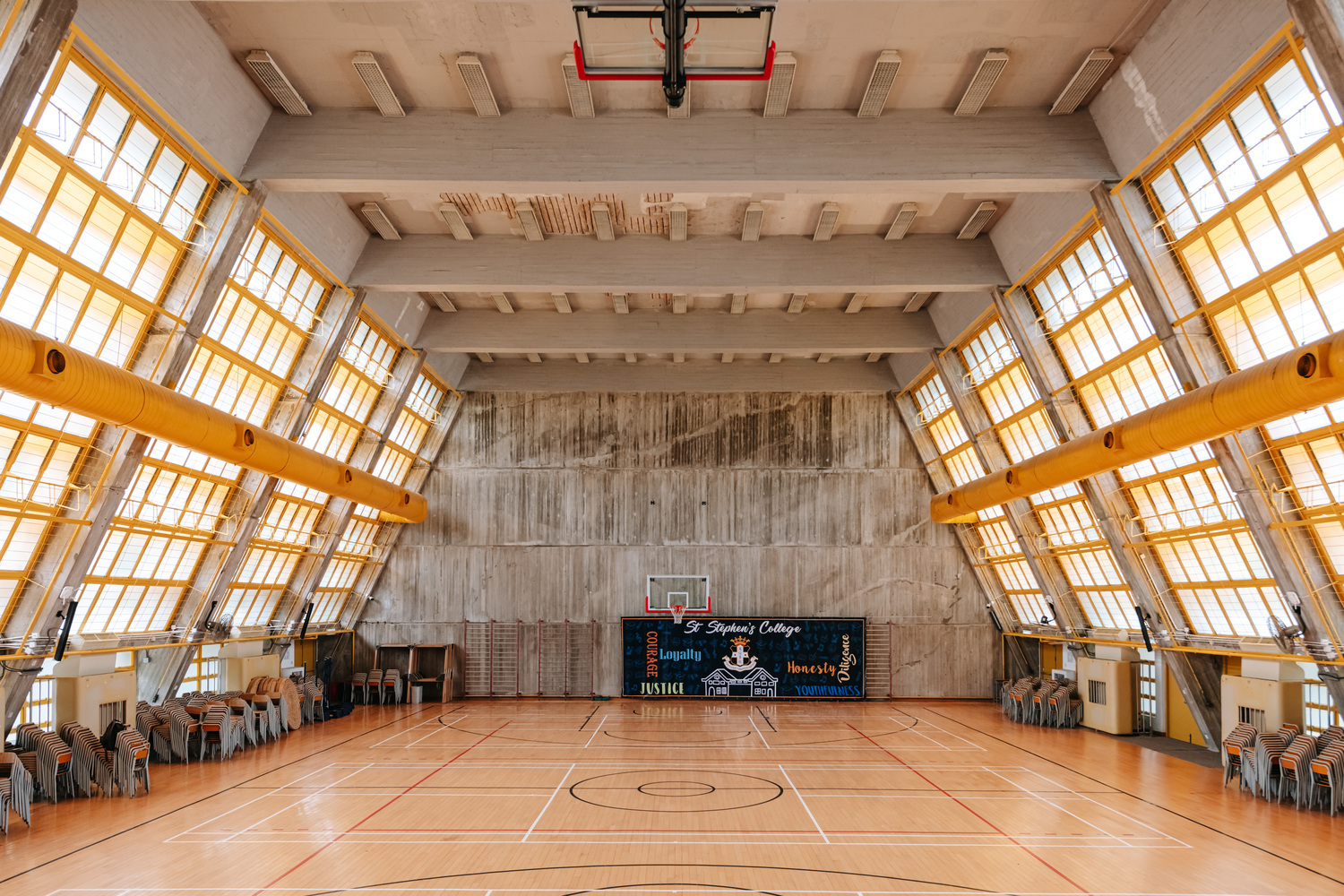
"Looking elsewhere, one also encounters a long lineage of British and international architects whose imprints have shaped the city's institutional skyline: from Ron Phillips' civic works-most notably the former Murray Building (1969), now The Murray Hotel, and Hong Kong City Hall (1962)-to Norman Foster's infrastructural and corporate monuments, including the Hongkong and Shanghai Banking Corporation (HSBC) Tower (1986) and Hong Kong International Airport (1998), and, more recently, Zaha Hadid Architects' The Henderson (2024)."
"Yet within the same period as Pei and Foster, local architects were also producing buildings of enduring significance-works that carried the legacies of Bauhaus, but translated them into a language distinctly calibrated to Hong Kong's climate, density, and civic life. These projects may not always read as commercially prominent icons, yet they often register a sharper sense of social responsibility and public agenda."
Internationally renowned architects such as I.M. Pei, Norman Foster, Ron Phillips, and Zaha Hadid left prominent landmarks across Hong Kong's skyline, from financial towers to transport hubs. Parallel to these high-profile works, local architects produced enduring buildings that reinterpreted Bauhaus legacies for Hong Kong's subtropical climate, extreme density, and active civic life. Those local projects frequently foregrounded social responsibility and public purpose rather than commercial spectacle. Tao Ho stands out among local practitioners for contributing quieter but foundational works that shaped Hong Kong's modern architectural heritage with a civic-minded approach.
Read at ArchDaily
Unable to calculate read time
Collection
[
|
...
]