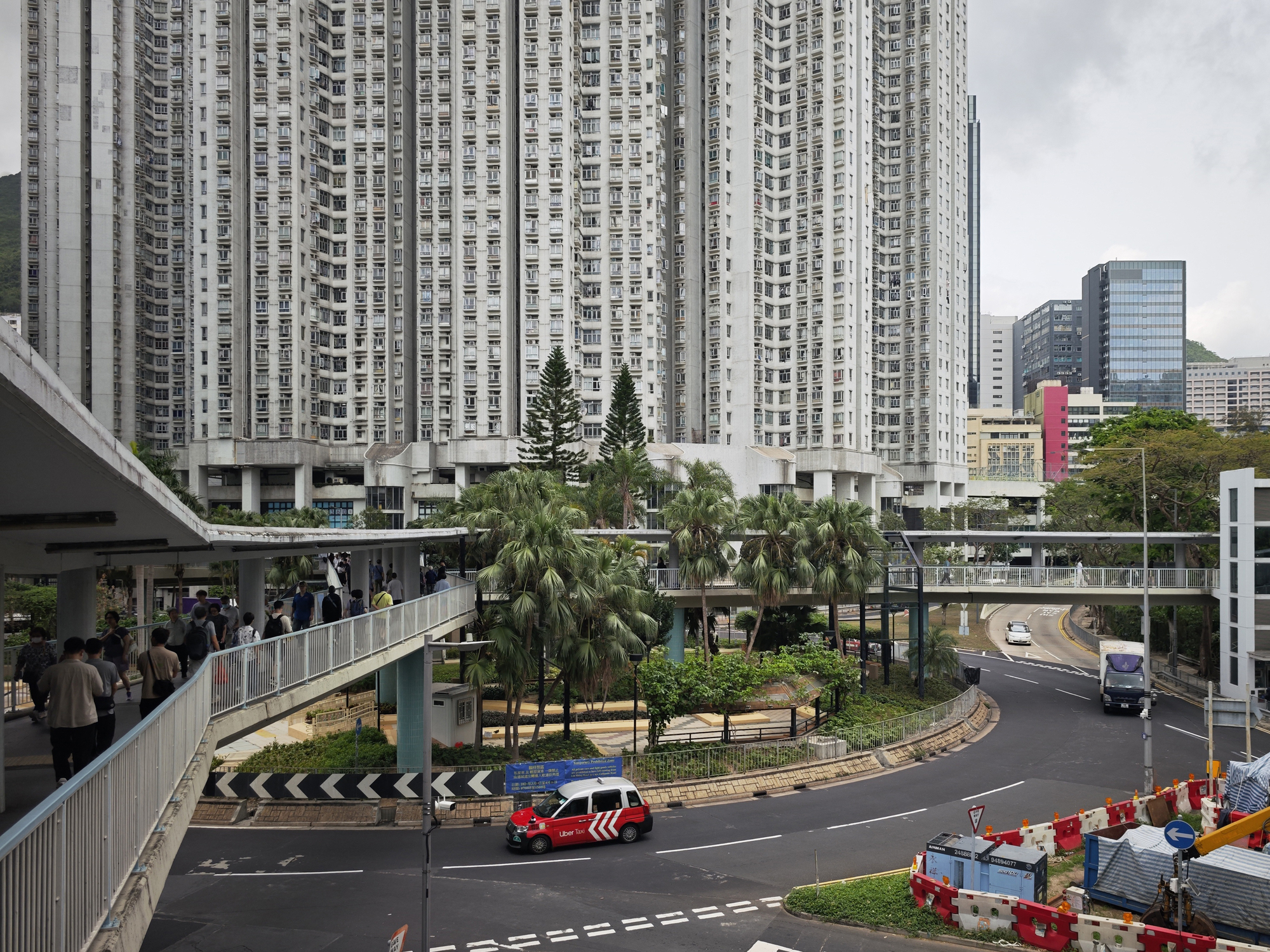
"The book captured how the city's pedestrian networks are routinely lifted above the street, separating people from traffic and extending commercial frontage beyond ground level. These systems have grown in prominence for their spatial complexity and the way they recast public space as continuous yet selective."
"Elevated passages can be generous and effective, offering sheltered movement and reliable connectivity. However, they raise questions about where these routes lead, who gets to connect, and what kinds of programs are invited or excluded by this 'privileged' level of circulation."
"The second-storey city does not simply bypass vehicles; it can also bypass the street as a civic stage. Over time, it risks shifting architectural attention away from ground-level public life, relieving designers from negotiating pedestrian scale and the messy reciprocity of the street."
Hong Kong's elevated urbanism, documented in 'Cities Without Ground,' highlights the city's reliance on second-storey pedestrian networks. These systems provide connectivity and shelter but also create questions about accessibility and the exclusion of certain programs. The elevated pathways can detract from ground-level public life, leading to designs that prioritize connectivity over neighborhood engagement. As time passes, it is essential to reassess how attitudes toward this urban structure have changed and whether critiques have influenced design and policy adjustments.
Read at ArchDaily
Unable to calculate read time
Collection
[
|
...
]