#urbanism
#urbanism
[ follow ]
#architecture #transit-advocacy #politics #public-space #zoning #community #infrastructure #public-art

fromwww.archdaily.com
3 months agoMashiach Now Square / Natureza Urbana
The revitalization of Praca Mashiach Now has transformed a degraded space in the Northern Zone of Sao Paulo into an urban green infrastructure, coordinating environmental recovery, active mobility, and social activation in a territory historically dominated by automobiles.
Renovation
fromArchDaily
3 months agoUnearthing the Ground: Architecture and the Politics of the Subterranean
Beneath the visible surface of cities lies an invisible architecture. Subways, tunnels, water systems, data cables, and bunkers form a dense network that sustains urban life while remaining largely unseen. The ground beneath our feet is not a void but a complex territory that holds the infrastructures, memories, and anxieties of our age. In recent years, as land becomes scarce and climate pressures intensify, architects and urbanists have turned their gaze downward, rediscovering the subterranean as both a physical and conceptual frontier.
Design
fromFast Company
4 months agoWhat 11 top designers want to redesign in 2026
Yes, there are the New Year's traditions of setting ambitious goals and ditching bad habits, but one evergreen resolution that ought to top lists is to banish bad design. Why endure something that simply doesn't work (or is an affront to aesthetics) any longer than we have to? In the spirit of fresh starts, we polled experts in architecture, tech, industrial design, and urbanism on the everyday annoyances and the big-picture issues that they think are in desperate need of a refresh in 2026.
Design
Startup companies
fromFuturism
5 months agoStartup Building "Air Traffic Control" to Help Self-Driving Cars Get Through Chick-fil-A
Autolane builds application-layer infrastructure to coordinate autonomous vehicles' precise pick-up and drop-off logistics on U.S. roads unsuited for driverless operations.
fromCurbed
6 months agoA Good Life in Jane Jacobs's House
If not for Jane Jacobs, Susan Spehar might still be living in a big lonely house in the suburbs. Spehar and her husband had raised their kids in Darien, Connecticut, in a place with a pool and a yard and rooms that emptied as their kids left for college. After her husband's death and in search of noise and friendship, she found a rental in Greenwich Village.
philosophy
New York City
fromStreetsblog
6 months agoCycle of Rage: Honeymoons Don't Need to End, Mr. Mayor-Elect - Streetsblog New York City
Zohran Mamdani's mayoral victory empowers implementation of urbanist transportation reforms prioritizing buses, bike lanes, congestion pricing, and street safety starting Jan. 1.
fromArchDaily
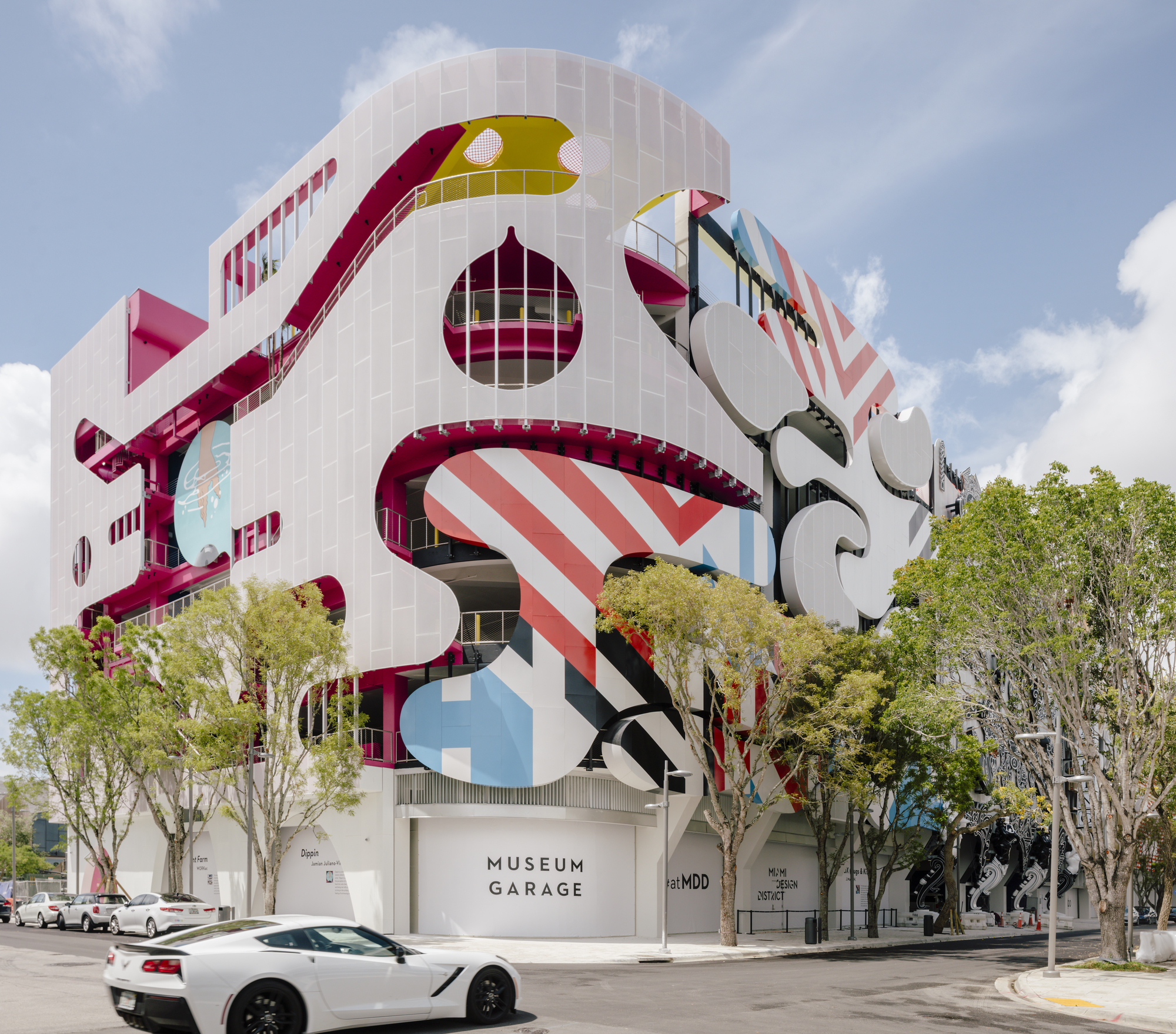
6 months agoParking Garages: Antithesis or Opportunity for 21st-Century Urbanism?
In an era of people-centered urban planning, 15-minute cities, " eyes on the street," and active public spaces, parking garages are often seen as the antithesis of contemporary urban ideals. But that was not always the case. If today they challenge architects and planners to reinvent them in pursuit of more sustainable mobility and more human cities, in the past they stood as witnesses to a radical transformation in how we move, inhabit, and perceive urban space.
philosophy
Design
fromArchDaily
7 months ago"It Takes a Life to Build a City": In Conversation With Mads Birgens From Cobe Architects
Cobe Architects drives Copenhagen’s identity through public-life-driven urban transformation, strategic masterplanning, and large-scale waterfront redevelopment exemplified by the Nordhavn project.
fromdesignboom | architecture & design magazine
7 months agoeight designboom competitions with submission deadlines in october
Between September and October, designboom is spotlighting a diverse range of international competitions that invite architects, designers, and creatives to push the boundaries of innovation before submission deadlines draw near. From the 5th edition of Tactical Urbanism NOW!, which calls for hyperlocal yet scalable public space solutions addressing environmental and social challenges, to The Architect's Chair #4, where participants distill their architectural philosophy into a single, iconic piece of furniture, the span of briefs encourages both visionary thinking and practical creativity.
Design
Artificial intelligence
fromYanko Design - Modern Industrial Design News
11 months agoFundamentAI shows how AI and nature can co-design cities of tomorrow - Yanko Design
Artificial Intelligence continues to evolve and has the potential for significant contributions in various fields including architecture and environmental sustainability.
fromArchDaily
1 year agoSharjah Architecture Triennial 2026 Announces Vyjayanthi Rao as Curator of Third Edition
Through our collaboration, we hope to open up new ways of thinking about what a triennial like Sharjah can become over time - leaving behind tangible strategies and ideas that respond to the needs and challenges of contemporary urban centers across the Global South and beyond.
Toronto Raptors
NYC politics
fromStreetsblog
1 year agoFriday's Headlines: The Times Loves Sprawl Edition - Streetsblog New York City
The New York Times' article on suburban sprawl lacks consideration for negative consequences like car dependence.
Urbanism should be taken seriously by major publications, particularly in discussions about housing.
[ Load more ]