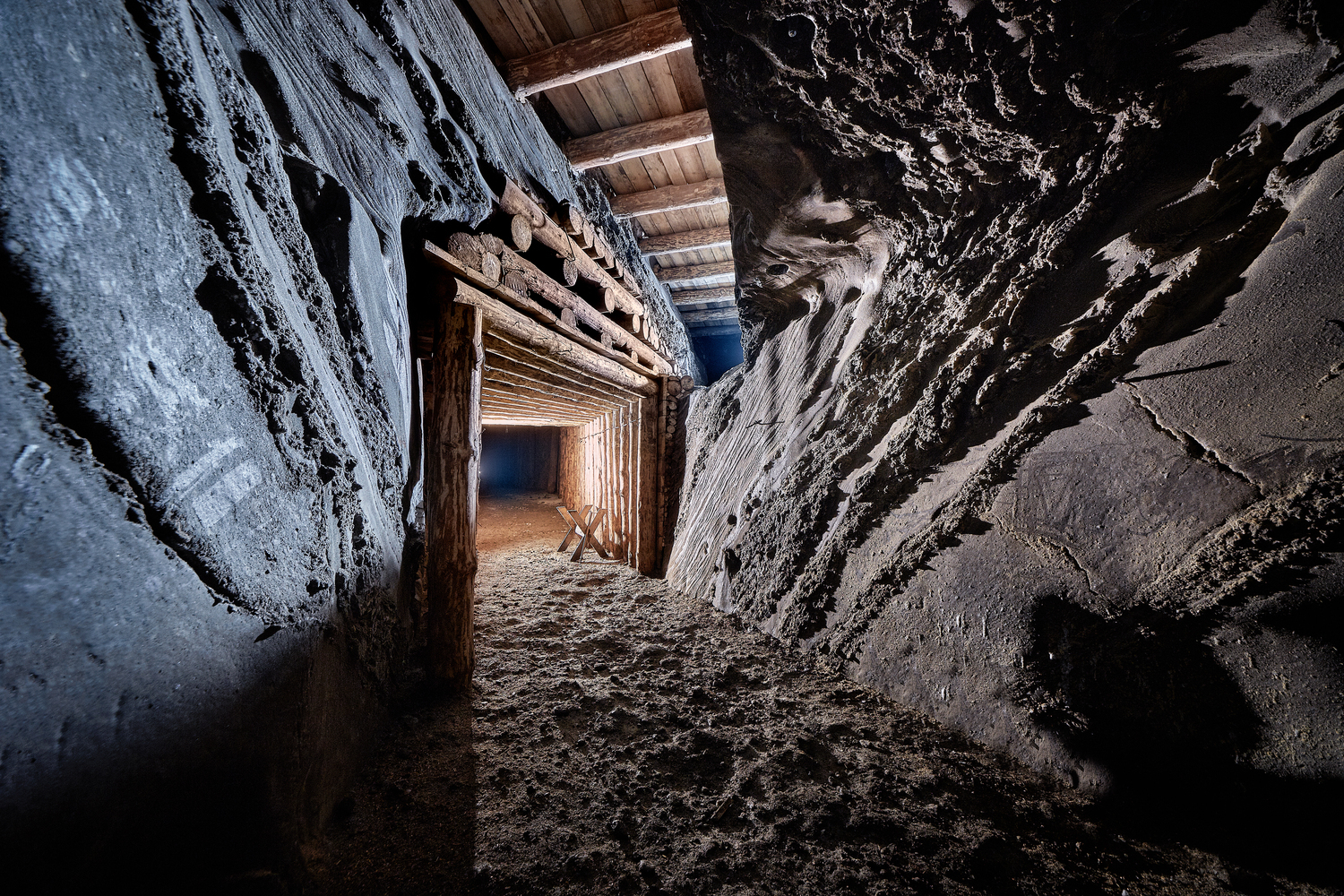
"Beneath the visible surface of cities lies an invisible architecture. Subways, tunnels, water systems, data cables, and bunkers form a dense network that sustains urban life while remaining largely unseen. The ground beneath our feet is not a void but a complex territory that holds the infrastructures, memories, and anxieties of our age. In recent years, as land becomes scarce and climate pressures intensify, architects and urbanists have turned their gaze downward, rediscovering the subterranean as both a physical and conceptual frontier."
"The subterranean has long been a site where architecture intersects with politics, technology, and belief. From the catacombs of Rome to the industrial subways of modernity, descent has symbolized both protection and exposure. Twentieth-century urbanism transformed this gesture into a system: metros, shelters, and utilities redefined the city section as an instrument of governance. Beneath the promise of efficiency and progress, the underground absorbed the anxieties of an era of war, surveillance, and collapse."
"Today, the ground has become the new frontier of urban expansion and ecological adaptation. As digital infrastructures, energy systems, and climatic buffers migrate below grade, architecture confronts a space both technical and metaphysical - essential yet marginal, invisible yet decisive. To think in sections rather than in plan is to recognise that contemporary cities no longer exist solely in their skylines but also in their depths. The challenge for architecture is not only to occupy that space, but to render it legible,"
Beneath city surfaces lies a dense network of subways, tunnels, water systems, data cables, and bunkers that sustain urban life while remaining largely invisible. The subterranean territory contains infrastructure, collective memories, and social anxieties rooted in protection, exposure, and governance. Twentieth-century urbanism systematized underground space through metros, shelters, and utilities that reflected wartime and surveillance-era fears. Contemporary pressures such as land scarcity and climate change drive energy systems, digital infrastructures, and climatic buffers below grade. Architecture must engage both technical and metaphysical aspects of depth, prioritise sectional thinking, make subterranean systems legible, and treat underground space as a designed terrain.
Read at ArchDaily
Unable to calculate read time
Collection
[
|
...
]