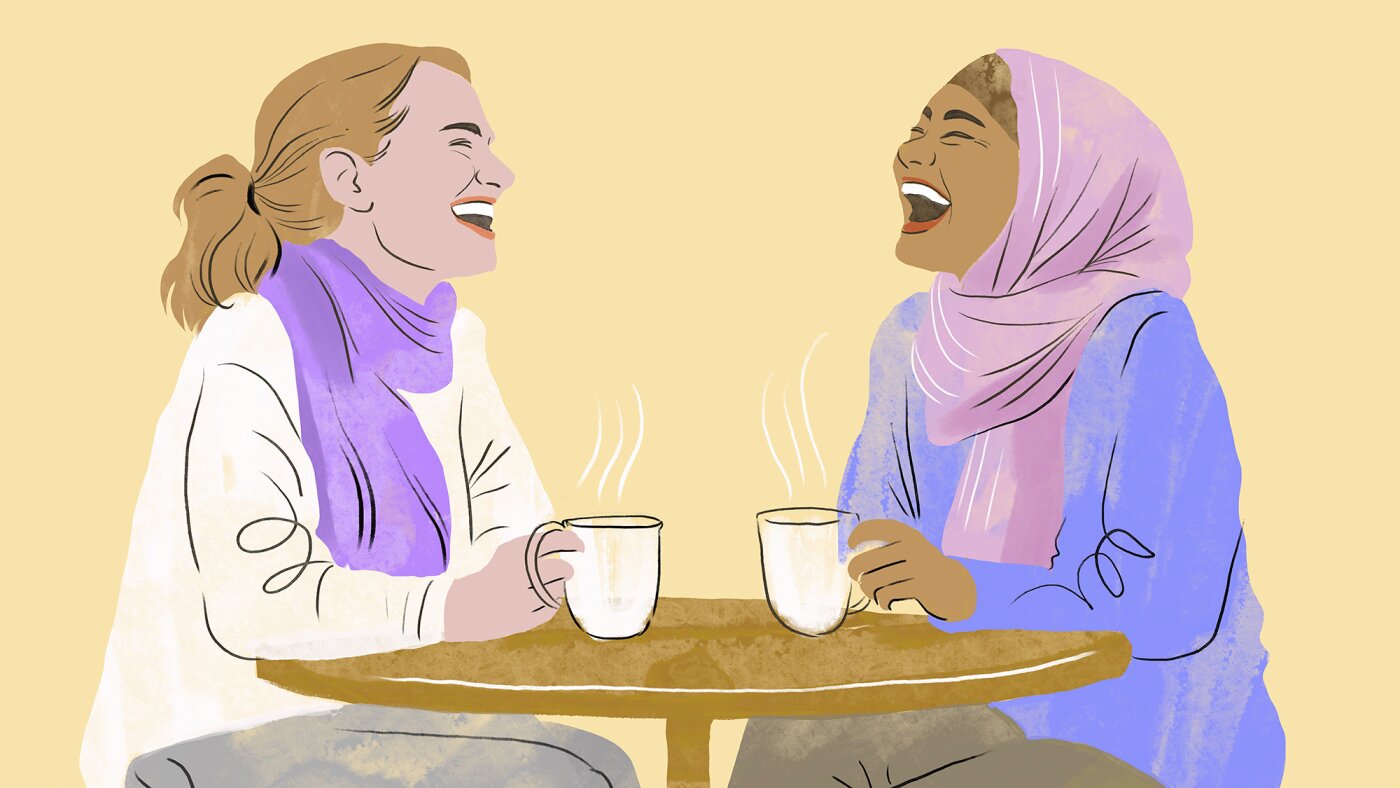
You know that person at the coffee shop who somehow commands the entire room without saying much? Last week, I watched someone transform a chaotic situation at my local café into a moment of calm efficiency. The espresso machine had broken, the line was growing, and tensions were rising. This woman, dressed in simple jeans and a plain white shirt, quietly helped reorganize the queue, offered her spot to someone in a rush, and had everyone feeling better within minutes.
Remember when getting someone's phone number meant writing it down on a piece of paper? Or when making plans required actually sticking to them because there was no way to send a last-minute "running late!" text? There's a fascinating divide happening between millennials who remember these pre-smartphone days and those who don't, and it's showing up in ways we're only beginning to understand.
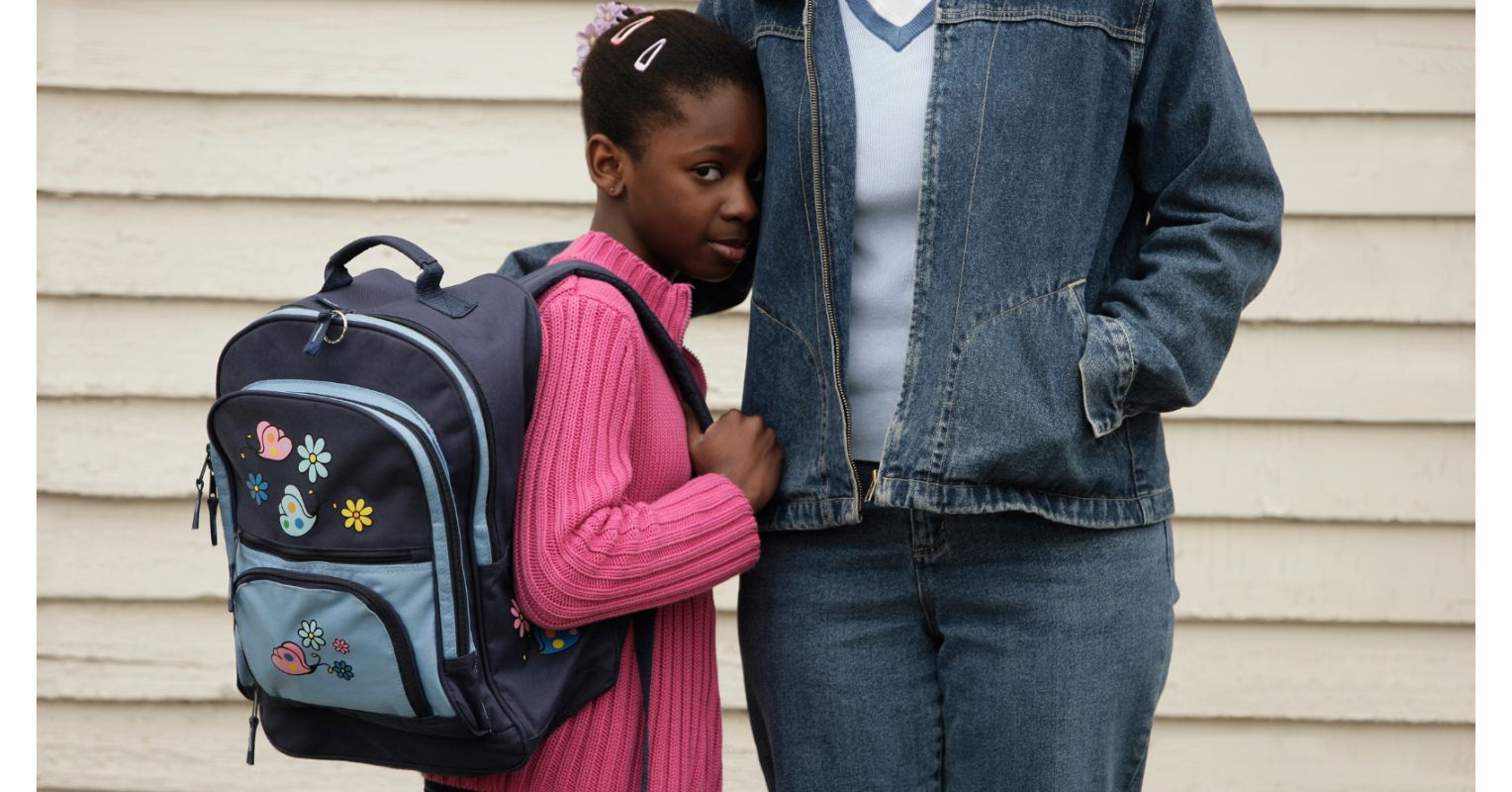
Does an only child usually feel lonely? Does an only child lack social skills? Does an only child have more emotional problems? These three questions come up often from my patients, because although most Americans say they think two or more children is ideal, many are, or will be, raising an only child instead. 1 Sometimes it's because of fertility problems, or because they started their family later in life and are unlikely to have more than one child naturally.
When children visit someone's house, it's a really good time to instill that they need to be polite and respect the rules of others. When you're at home it's totally different and you can expect to be much more relaxed, but when going to Grandma's, or a restaurant, or the grocery store, it's a great time to reel it in and practice our social skills.
Remarkably, only half of students say they use AI for schoolwork, while even more report personal use (73 percent). Those non-academic uses of AI raise more alarms, as 42 percent of students said they or someone they know has used AI for mental health support, companionship, or a way to "escape from real life." Nearly a fifth of students (19 percent) said they or someone they know has even formed a romantic relationship with an AI chatbot.
It's never too early to learn that while it's good to think compassionately about what's happening to others, ultimately they own their behaviour and you own yours.