Madrid food
fromCN Traveller
1 day agoThe Latin American food capital you're not talking about
Chile's culinary scene blends creativity with tradition, reflecting a reserved culture shaped by its historical past.
The Bright Star Restaurant, founded in 1907, is one of Alabama's oldest restaurants and a landmark in the historic mining town of Bessemer. The James Beard Award-winning institution is known for its Greek-influenced steakhouse menu, especially its famous broiled snapper and tender steaks, all served in a grand, old-world dining room.
The first type of American: people who joyride the day's updrafts like marvelous, glossy crows. They easily recall the locations of treats encountered over their lifetime. They answer this question Glock-shot fast, as if they have been waiting to be asked it. They are happy.
Picanha is a large hunk of beef which comes from an area above the cow's rump, straddling both the sirloin and round primal cuts. Outside of Brazil it's also known as the rump cap or sirloin cap, but it isn't common to find in grocery stores because butchers normally break the large roast down into more familiar sirloin steaks and round cuts.
Venezuelan cuisine is a vibrant melting pot of its cultural influences, where Indigenous roots, African heritage, and Spanish flavors come together to create rich, satisfying dishes packed with character. Venezuela's food scene shares many similarities with those from other Latin American countries, but focuses more on building layers of sweet, savory, and tangy depth rather than turning up the heat with bold spices.
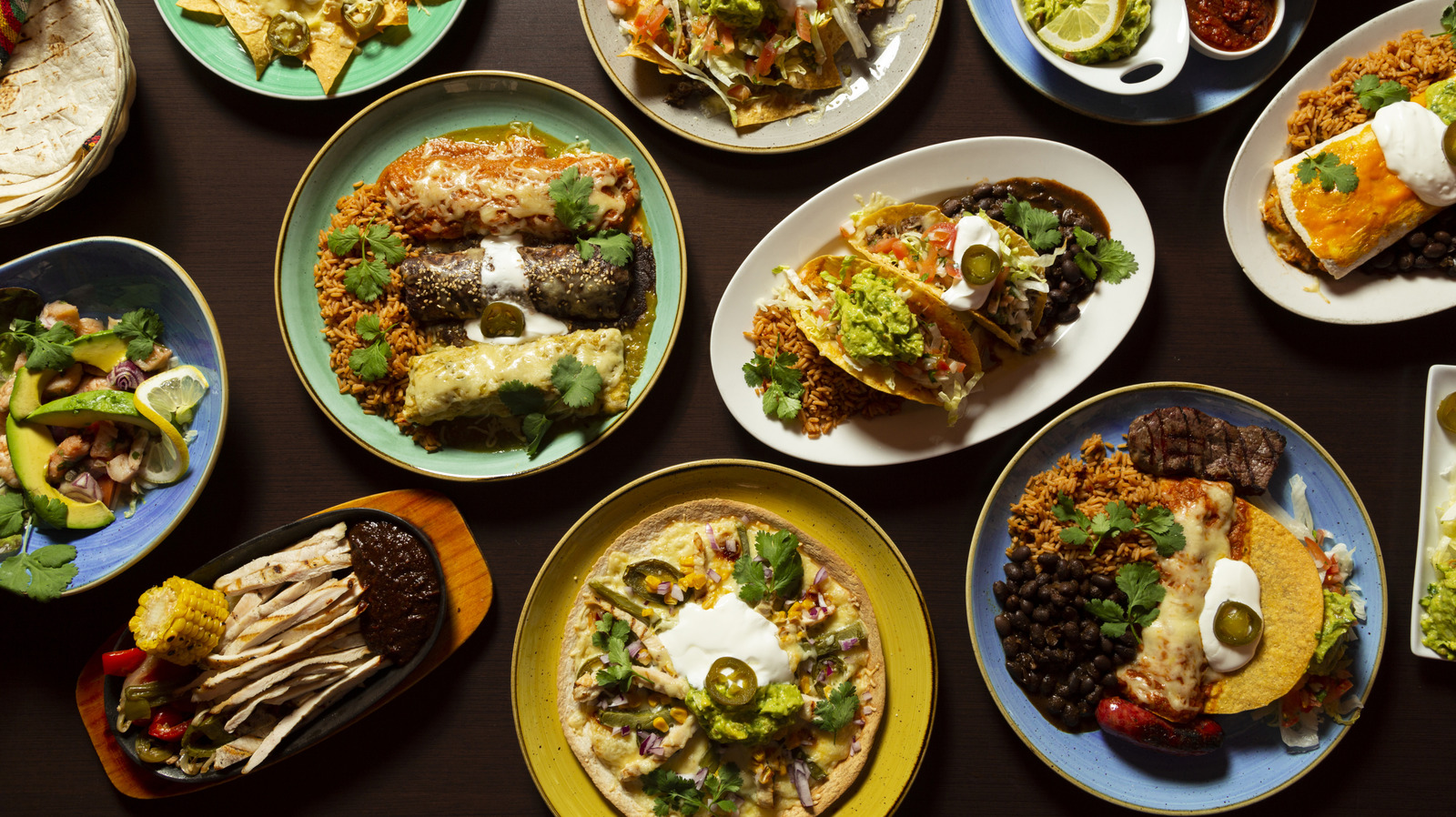
Oversized burritos are more of a north-of-the-border staple. In Mexico, even in northern regions where burritos originate, they're practical and proportionate. This is owed to the differences between traditional Mexican cuisine and its American-adapted counterpart.
A small splash can brighten the sweetness of corn and add a subtle herbal lift. It should enhance - not dominate. Think of it as a squeeze of lime, ever so popular in Mexican food, in spirit form.
On November 28, with just weeks remaining until the run-off in Chile's presidential election, far-right candidate Jose Antonio Kast issued a warning. "To the irregular immigrants in Chile," he said, "I tell you that 103 days remain for you to leave our country voluntarily." Kast ultimately won the election and is expected to be sworn in on March 11. But so far, in the highlands of Chile's most northerly region, the immigrant exodus that some expected has not occurred.
Country of origin labeling became mandatory on all international products entering the United States in 2009. The goal was to ensure American consumers knew where the products they were buying came from, enabling shoppers to make informed buying decisions. These products include everything from Mexican avocados to French wine to pasta from Italy, with the latter thankfully safe from recent U.S. tariffs. However, does the location a product comes from actually matter?
The ravioli-type dish, also known as casunziei all'Ampezzana, consists of homemade half-moon shaped pasta filled with boiled beets, topped with a sauce of melted butter, Parmesan cheese and poppy seeds. It's a simple dish that harks back to the Alpine region's poorer past - long before Cortina transformed into a winter playground for the international jet set. Even in the coldest days of winter, local families had the ingredients in their cupboards.
Topped with cheese, sour cream, and a handful of scallions, there's nothing cozier than a warm bowl of chili during the height of winter. Whether you prefer yours con carne or vegetarian-friendly, there are types of chili to fit virtually every palate, sensitivity, or dietary preference. If you're looking for a version with an extra hit of protein - or for a vegan or gluten-free option - look no further than quinoa, the humble super food that's packed with magnesium, zinc, iron, and fiber.
Northern Italian cooking is built for long meals, cold weather, and patience, which is exactly the sort of food you want when settling in for hours of competition. From Lombardy and Piedmont to Emilia-Romagna and Liguria, these regions favor slow braises, creamy risottos, rich broths, and breads meant to be torn and shared. Whether you're feeding a crowd or committing to a cozy afternoon