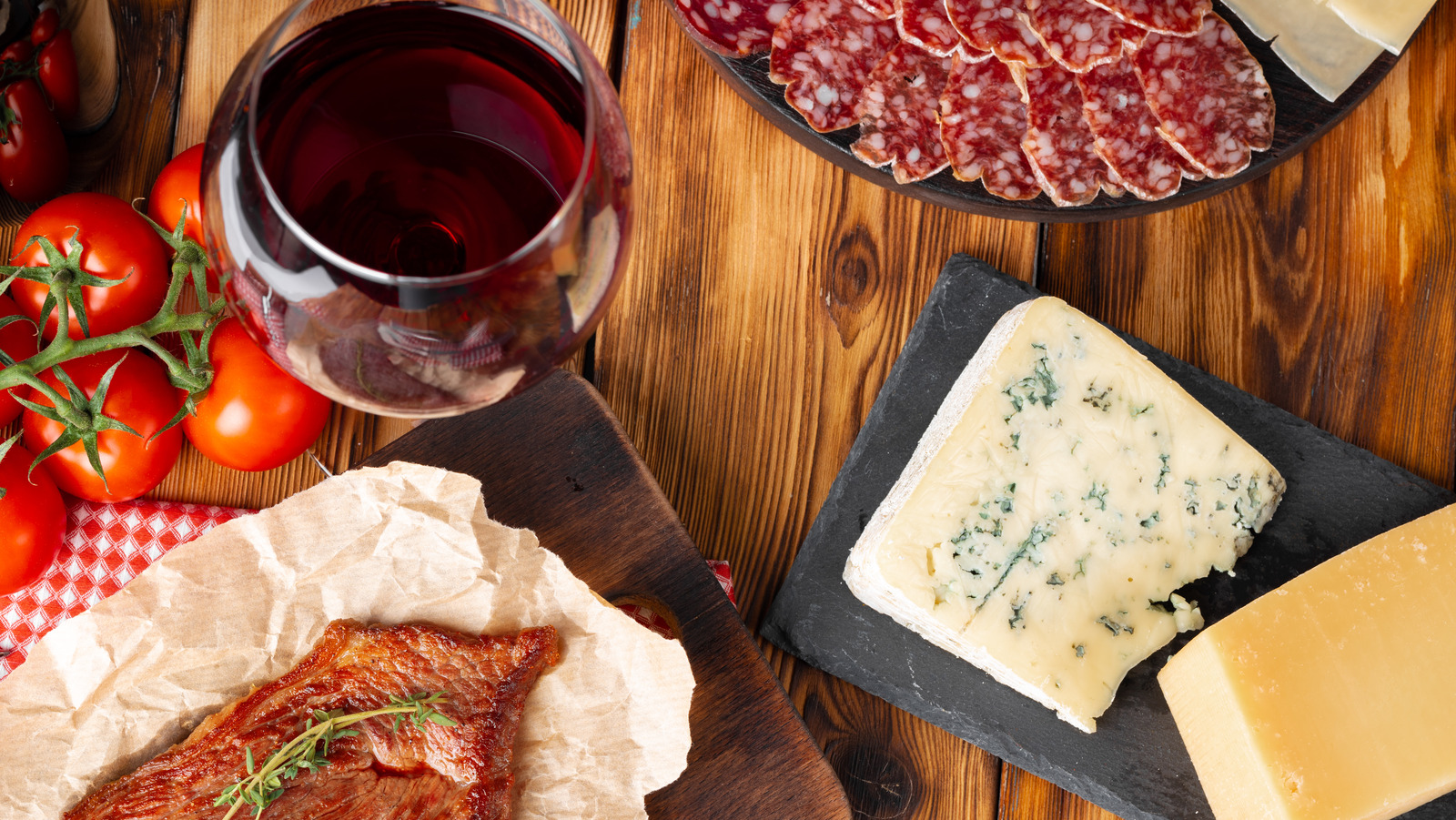
"Country of origin labeling became mandatory on all international products entering the United States in 2009. The goal was to ensure American consumers knew where the products they were buying came from, enabling shoppers to make informed buying decisions. These products include everything from Mexican avocados to French wine to pasta from Italy, with the latter thankfully safe from recent U.S. tariffs. However, does the location a product comes from actually matter?"
"Beyond terroir, the location that products age, whether it be in wine caves, cheese cellars, or barrel rooms, will contribute to a product's character. Then there is the influence of the human factors, with grower practices and generations of history contributing to the final product's taste. To guarantee the authenticity of various products, regional and national regulations govern their production, further ensuring their quality. This is specifically true with the 10 items featured. Each is distinct thanks to their production location."
Country-of-origin labeling became mandatory on all international products entering the United States in 2009. The rule aimed to let consumers know product origins, covering items from avocados and wine to imported pasta. The place where a food or drink comes from strongly influences its final flavor profile through terroir: sunlight, soils, temperature swings, slope, and rainfall. Aging locations like wine caves or cheese cellars also shape character. Human factors such as grower practices and historical methods further affect taste. Regional and national regulations protect authenticity and quality. Champagne must come from the Champagne region and earned AOC status in 1936.
Read at Tasting Table
Unable to calculate read time
Collection
[
|
...
]