Dining
fromWest Side Rag
18 hours agoHere's the UWS Dish: Water & Wheat's Fritto Misto
Water & Wheat offers a commendable fritto misto, reminiscent of a memorable seafood experience in Italy, despite not matching the original.
Fusion food has historically had a bit of a bad rap, with overly gimmicky dishes and unnecessary combinations turning diners off. However, when you drill down into what fusion actually is - blending together flavours, ingredients and techniques from different cuisines - it's something that a lot of chefs are doing all the time.
Endo Kazutoshi was on the train to Paris when he heard about the fire that had destroyed his restaurant, Endo at the Rotunda, located on the eighth floor of the Helios building. The fire had started on a terrace and quickly spread, affecting the dining room and kitchen, built mostly from 200-year-old hinoki wood.
Hiroshi Hiraoka, one of the most respected ramen chefs in Japan and the chef-owner behind Sapporo's Japanese Ramen Noodle Lab Q, is heading to New York City this month for a series of limited-time pop-ups at two Manhattan restaurants. The events will bring his refined "tanrei" style ramen, rarely experienced outside Japan, to diners at Towa in Flatiron and nonono in NoMad.
Living in Japan in the early 2000s, Fralick fell in love with an Italian restaurant in the city of Shizuoka, where he ate Italian food, but with Japanese influences, like pastas made with uni and the fermented soybeans known as natto. "It really reminded me of home," says Fralick, who grew up in upstate New York and started his cooking career in Italian fine dining.
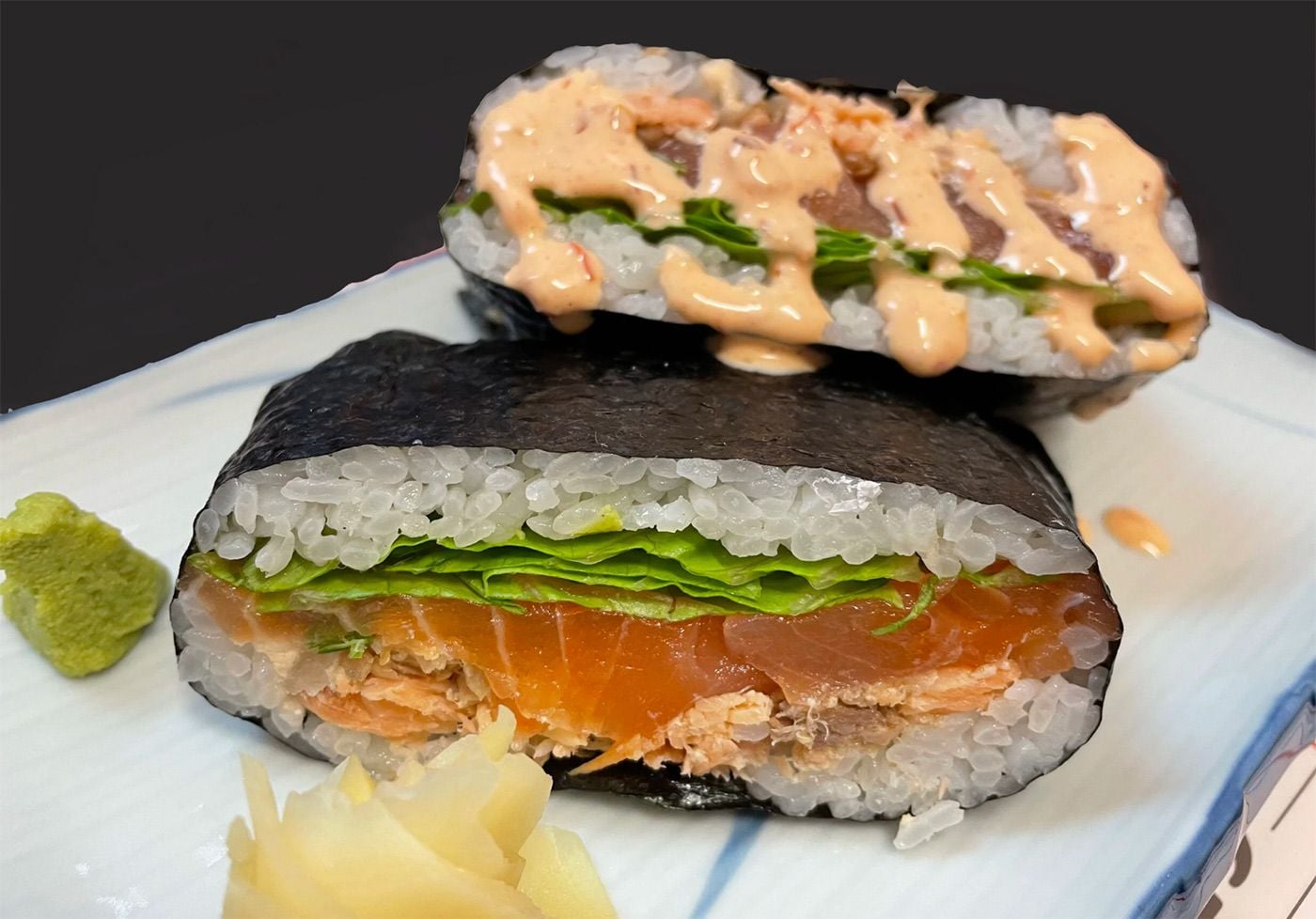
Some chefs pride themselves on blurring the lines between food and art. For Executive Chef Andrew Oh, Momoya SoHo has become revered for putting beauty on plates, such is the case for the restaurant's beautiful wine glass parfaits. However, Oh is known for sushi creations that are equally impressive. We asked the chef for tips on sushi-making (known as one of the most difficult culinary techniques to master) so that our next batch of caterpillar rolls look more professional than problematic.
The caviar, uni, and egg dish has been in Akiyama's repertoire since he worked at the now-closed NYC restaurant Lan. It's presented as a rich chawanmushi, topped with generous uni and caviar. The nigiri course comes with three pieces, including the aori aka, in which the bigfin reed squid is chopped and intricately layered; the texture was far creamier than I ever expected squid to be.
When it opened in 2021, Brixton Market's Temaki quickly became a hit with the city's sushi aficionados. The restaurant, which was London's first dedicated to handroll sushi, received a Time Out reviewer's praise for its 'triple whammy of expertise, exceptional produce and classy execution'. Alas, the south London Temaki wasn't to last. The California-style sushi joint shut its Brixton outpost last summer. Now, however, Temaki has announced a grand return to the city - this time in central London. A new location will open on Mayfair's Maddox Street
That was Temaki, a small counter spot inside Brixton Village that we loved for its great quality and great value temaki sets. Owner A.M Dupee, who is relocating the restaurant to a larger central London site this March, sees the "huge potential in the growth of handrolls in the UK", saying that "handroll bars give operators the ability to give customers the balance of high quality produce in a convivial atmosphere without the price tag of an expensive sushi or omakase meal."
That said, there's an excellent alternative to lengthy pro-level sushi creation: A no-roll version called inari, or commonly, inarizushi. It's named after the Shinto deity Inari Okami, the god of rice, agriculture, and prosperity. Traditional inari bypasses the usual seaweed and raw fish, opting instead for seasoned sushi rice tucked inside a sweet and savory "aburaage" pouch made from fried tofu.
Fall's scarlet and gold was fading from the mountains around Sapporo as I sat with a small group around a heavy wood table with a charcoal grill in the center. We watched a chef cook channel rockfish over the coals. This northern Japanese delicacy is cherished for its meltingly sweet flesh, which takes on a light pink color because of the species' shrimp-heavy diet.
Pizza toast is a throwback snack popularized in Japan's classic kissaten coffee shops. The first kissaten to serve pizza toast - milk bread topped with tomato sauce, mozzarella and pizza toppings, toasted until the cheese is melted and bubbling - is reportedly Cafe Benisica in Tokyo, in 1964, which is still operating. The key to this version is to first make toasty garlic bread, and I use marinara instead of the yoshoku ("Western-style food") tradition of making a ketchup-based tomato sauce.
My friend Megumi, a classical musician from Tokyo who really likes to eat, takes trips to Sapporo "just for the food". She is not alone: the route between Tokyo's Haneda and Sapporo's New Chitose airports is one of the busiest domestic flight paths in Japan. Before I visited Sapporo, I called her. "Make sure to bring two stomachs," she advised. The city is the capital of Hokkaido, the most northerly of Japan's main islands, which contains more than 20 per cent of the country's landmass, but only about four per cent of its population. The island's cold waters are home to some of the world's most prized sea urchins and crabs, as well as much of the fish used by top sushi chefs. Fed by mountain springs, its unspoilt valleys are home to remarkably flavourful produce. And with its swathes of grazing land, Hokkaido is also the country's leading producer of beef, lamb and dairy: the last two ingredients are rarely used elsewhere in Japan, something that accounts for the character of eating in Sapporo.
The restaurant group behind Goodman, Beast, Pinna, Chelsea Grill and Wild Tavern, has added a Japanese izakaya to its roster with the opening of Wild Izakaya in the City. Inspired by the establishments found all over Tokyo, Wild Izakaya features an open kitchen with counter seating, larger tables for groups, classic Japanese films on a projector, and a drinks list including Japanese beers, sake and cocktails.


:max_bytes(150000):strip_icc()/TAL-seafood-platter-SEAFOODGUIDE0326-9da549aabce64725b101f3dc9957c7cd.jpg)