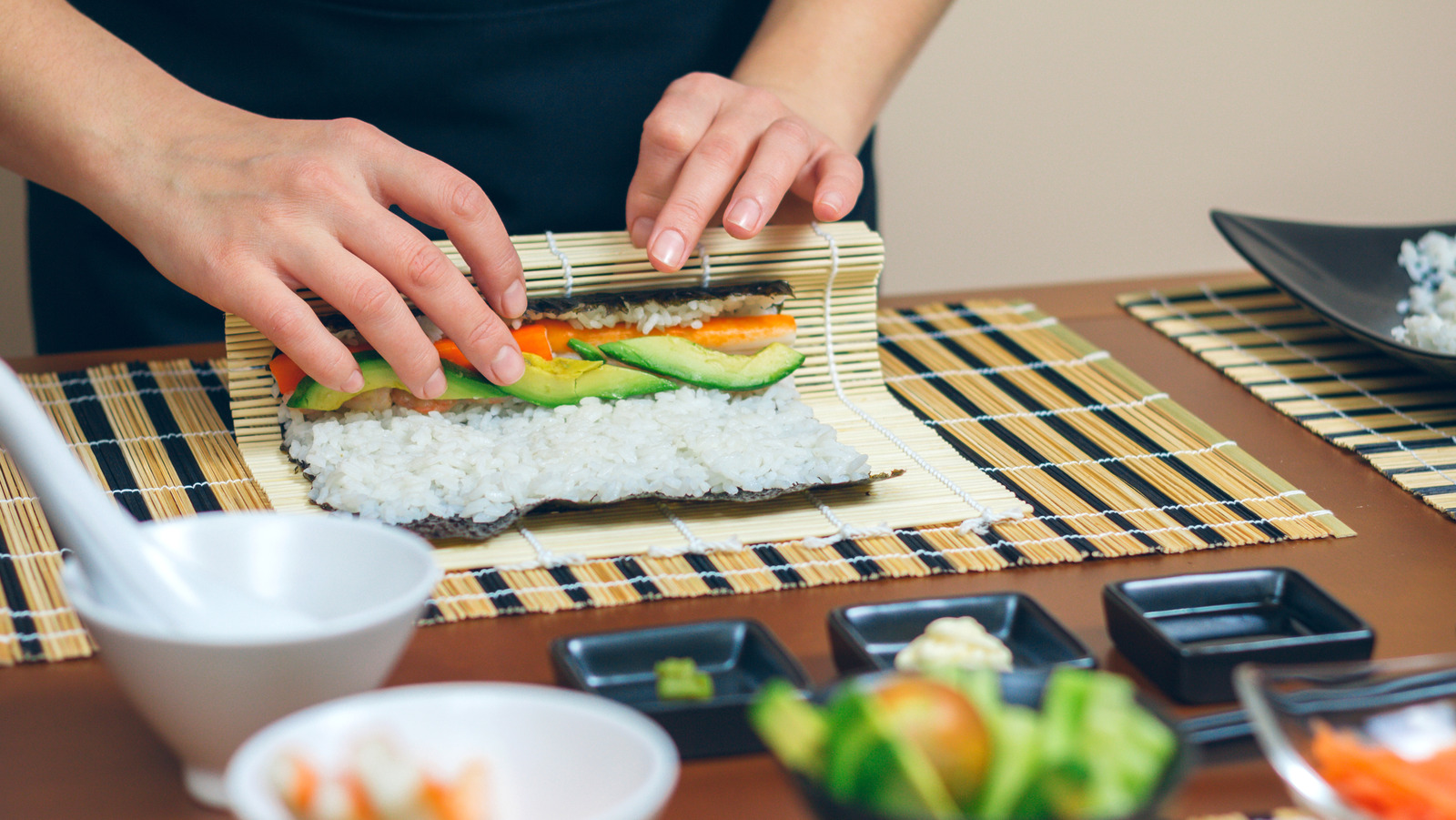
"Some chefs pride themselves on blurring the lines between food and art. For Executive Chef Andrew Oh, Momoya SoHo has become revered for putting beauty on plates, such is the case for the restaurant's beautiful wine glass parfaits. However, Oh is known for sushi creations that are equally impressive. We asked the chef for tips on sushi-making (known as one of the most difficult culinary techniques to master) so that our next batch of caterpillar rolls look more professional than problematic."
"These stunning rolls require a specific approach to sushi-making, particularly because they're formed into unique shapes. It isn't simply the ingredients used to make the roll (or even how they're added) that requires some thought, though. "For visual appeal, the way the sushi is plated along with how the sauce is dressed will determine how guests think the roll will taste," Oh specifies."
"These "simple and delicious" combinations are not only approachable, but can lead to more impressive and cohesive meals. Beyond taste, Oh notes that considering texture is what really separates chefs with professional training from novices. "It is the final thought of the dish, and really makes a large impact because understanding textures is considered a very high-level skill," he adds."
Combine visual appearance, flavor profile, and texture when making sushi rolls. Complex shapes like mosaic rolls require specific formation techniques and careful ingredient placement. Plating and sauce application influence diners' expectations of taste. For gatherings, selecting both basic and ambitious rolls with familiar, 'simple and delicious' flavor combinations creates approachable and cohesive menus. Attention to texture separates professionally trained cooks from novices and significantly impacts the final dish. Home practice should include close examination of ingredients used inside and on top of each roll and following practical guidance such as not overfilling rolls.
Read at Tasting Table
Unable to calculate read time
Collection
[
|
...
]