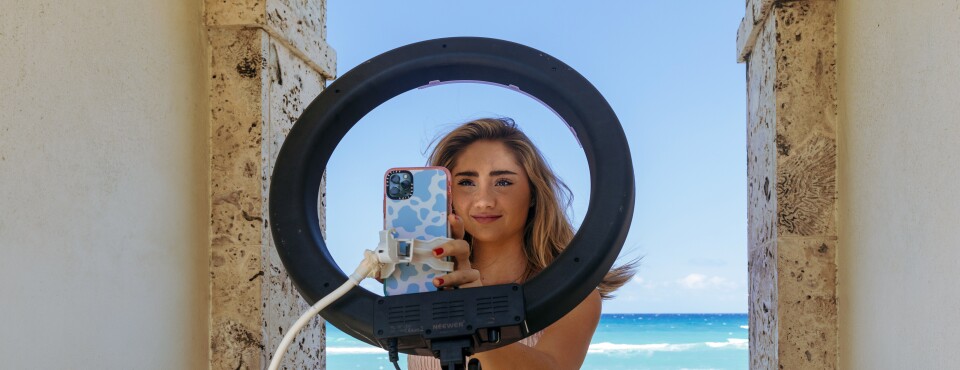
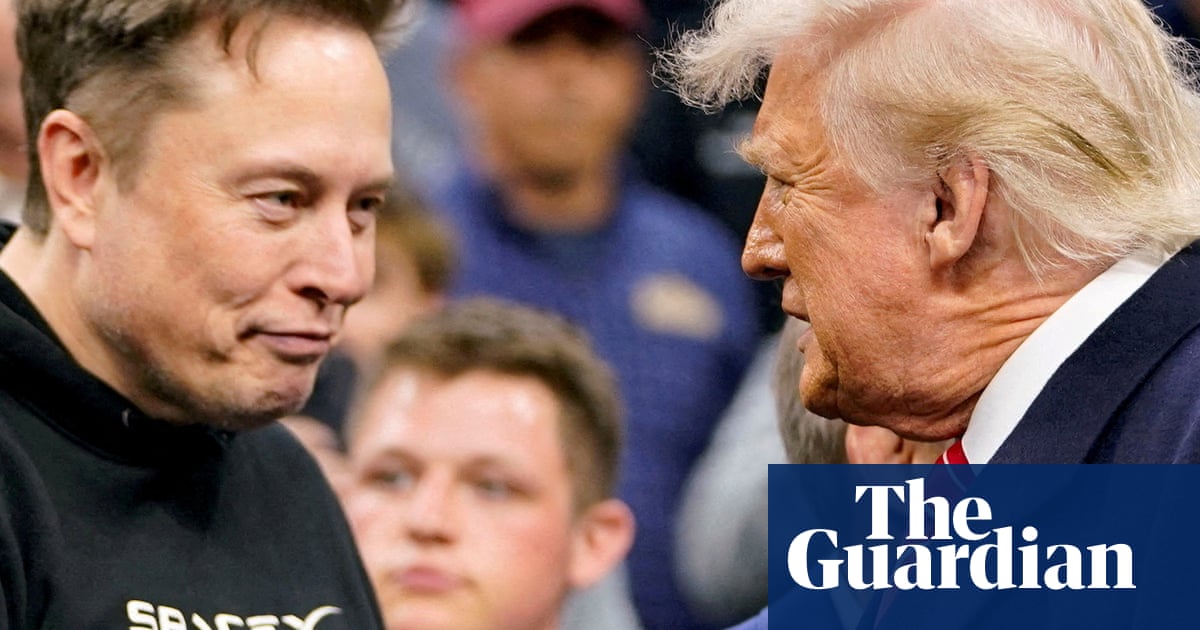
"Authenticity is defined within the context of the brand-consumer relationship," Hoppner says. In other words, it's in the eye of the beholder-or in this case, the consumer. Inauthenticity occurs when a brand behaves in a way that appears to go against its perceived core values, or the consumer's baseline expectations for that particular brand. "This kind of inauthenticity causes problems for brand managers because for each person it's a little bit different, and that makes it really hard to navigate," Hoppner says.
It's not news that many of the alcohol industry's brand managers seek to bring their products to cities where they themselves don't actually live. These people often live in cities like New York and Los Angeles and commute to smaller cities across the country in an attempt to integrate their brands. But while doing so, they often market through the lens of what's working in their home cities, not necessarily through the lens of what people in their target markets are actually doing.
Remember the last time you saw a bright red can in a vending machine and immediately knew it was Coca-Cola without even looking at the logo? Or when you heard that "tudum" sound from a friend's laptop and realized in a split second that they were watching Netflix? Instant familiarity. While every brand aims for this level of brand recognition, it's elusive, built over years of hard work. But what if we told you there are strategies that can help accelerate the process? Curious how?
Brands must actively manage their online narrative to ensure consistent and positive messaging across all channels where AI learns and surfaces information. This is essential to avoid being defined without their direct input.
Billion Dollar Boy's research found that around a third of marketers found that the following are their top three concerns: Managing relationships at scale, ensuring creator preference for brand partnerships, and maintaining authentic content.
Every beauty founder dreams of accomplishing what Rhode just achieved: a billion-dollar valuation, a cultural following, and a brand that seems to dominate every platform it touches.
We bought our price point down, and we merged the two brands that we had at the time into one. I wanted to challenge myself and my teams to create collections that didn't feel like a compromise.