#ai-powered-search
#ai-powered-search
[ follow ]
#seo #product-discovery #answer-engine-optimization #customer-reviews #brand-strategy #llm-optimization


Roam Research
fromSearch Engine Roundtable
1 month agoGoogle Rolls Out "Ask Maps" in Google Maps
Google Maps introduces Ask Maps, an AI-powered feature using Gemini to help users research businesses, plan trips, and get recommendations, now rolling out in the U.S. and India on mobile with desktop coming soon.
fromForbes
1 month agoThe New SEO: From Rankings To Recommendations In AI Search
For most of the last two decades, SEO mostly meant one thing, where you ranked on Google (and occasionally Bing). The customer journey was familiar. Someone searched, scanned a list of links, clicked and explored. Now the journey is increasingly 'ask, get an answer, take action.' And the platforms shaping that journey include ChatGPT, Claude, Gemini, Perplexity and Google itself, which is inserting AI summaries, what Google calls AI Overviews, into search results.
Marketing tech




Artificial intelligence
fromThe Cool Down
2 months agoGoogle claims search engine could 'break' if stricter controls are put on new technology: 'Requires us all to trust that [they won't] be evil'
Google will let websites opt out of AI-powered search summaries, raising conflicts over publisher control, competition, web traffic, and AI’s environmental footprint.
fromWWD
2 months agoEXCLUSIVE: Micro-influencer Marketing Platform Statusphere Secures $18M in Funding
"Human-generated content is quickly becoming the most valuable driver of brand discovery, but influencer- marketing solutions weren't built to scale for the enterprise," said Kristen Wiley, chief executive officer and founder of Statusphere, who began her career as a creator.
Marketing tech


fromMarTech
4 months agoFive ways AI changed marketing strategy in just one year | MarTech
In last year's report, the main disruption was inside marketing: established vendors vs. upstart AI-native tools, or the challenge of managing ever-expanding martech stacks. This year, the main disruption is outside of marketing's control: The consumer use of tools like ChatGPT, Claude and Gemini for research and buying decisions is turning everything upside down. Half of all consumers already use AI-powered search, putting as much as 50% of traditional search traffic at risk. That's an enormous power shift.
Marketing


Artificial intelligence
fromAmazon Web Services
4 months agoOptimize Your Retail Business for AI Search Platforms with AWS and Botify | Amazon Web Services
AI bots increasingly act as intermediaries that discover, evaluate, and purchase products, forcing retailers to optimize content and infrastructure for rapid AI retrieval and increased bot traffic.


fromArs Technica
5 months agoAI-powered search engines rely on "less popular" sources, researchers find
Since last year's disastrous rollout of Google's AI Overviews, the world at large has been aware of how AI-powered search results can differ wildly from the traditional list of links search engines have generated for decades. Now, new research helps quantify that difference, showing that AI search engines tend to cite less popular websites and ones that wouldn't even appear in the Top 100 links listed in an "organic" Google search.
Artificial intelligence
fromPCMAG
5 months agoI Tested Perplexity: It's the Best AI Search Engine, But Not a ChatGPT Killer
Perplexity excels primarily in its AI-powered search capabilities but also includes many of the same functions found in standard AI chatbots. With access to multiple models, it can effectively manage tasks like creative writing, file processing, and image generation. However, its underwhelming deep research tool and the unclear details about which model powers its media generation features can be disappointing.
Artificial intelligence

fromWIRED
5 months agoOpenAI's Atlas Browser Takes Direct Aim at Google Chrome
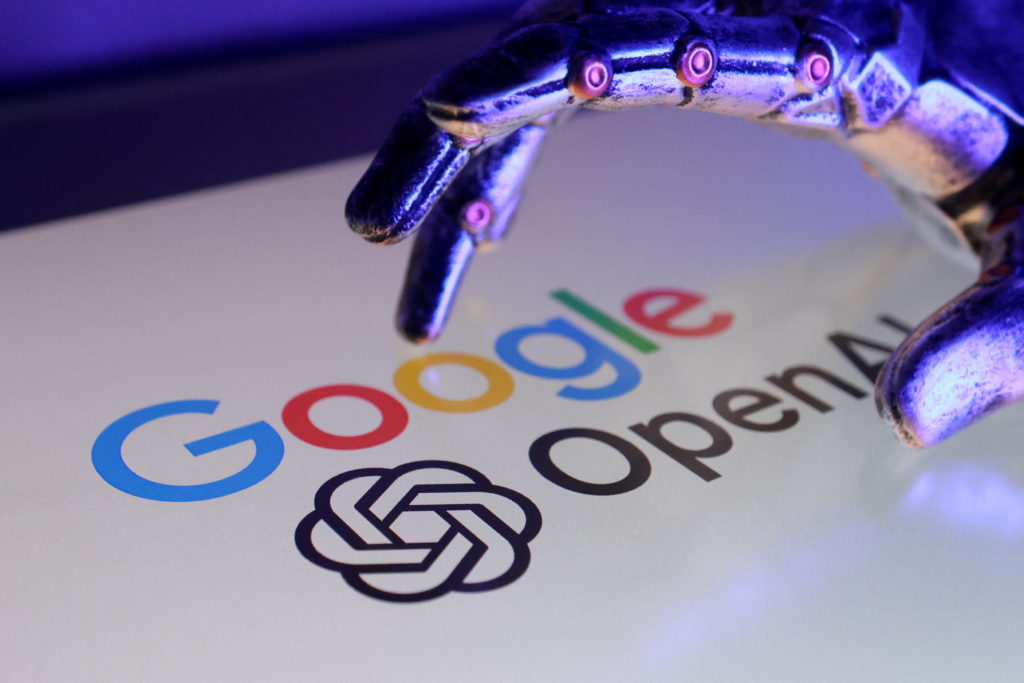
"We've made some major upgrades to search on ChatGPT when accessed via Atlas," Ryan O'Rouke, OpenAI's lead designer for the browser, said during the livestream. If a user asks for movie reviews in the Atlas search bar, a chatbot-style answer will pop-up first, rather than the more traditional collection of blue links users might expect when searching the web via Google.
Artificial intelligence
fromMarTech
5 months agoAI search is collapsing the B2B buyer journey | MarTech
The digital landscape keeps evolving, but the rise of AI-powered search marks a more profound shift. Tools like ChatGPT, Perplexity and Google's AI Overviews are transforming how information is discovered and consumed - reshaping the pathways between brands and buyers. For B2B marketers, this moment brings both complexity and opportunity. The familiar playbook that once guided prospects through a predictable journey is being rewritten in real time.
Marketing tech
fromDigiday
6 months agoFuture of TV Briefing: How Fox is using AI and a unified ad server to power-up Fox One
Fox's flagship streaming service Fox One doesn't only symbolize the state of the TV and streaming market, by making traditional TV's most premium programming, NFL football, fully available without a pay-TV subscription. It also represents the state of streaming technology. Yes, I'm referring to AI, which Fox is using to power the streaming service's search engine and customer support. But I'm also talking about how Fox is unifying its streaming ad tech stack around a proprietary ad server.
Television
fromstupidDOPE | Est. 2008
7 months agoWhy Brands Need Both SEO and Paid Media to Survive AI Search | stupidDOPE | Est. 2008
Since the early days of Google search, brands have invested heavily in either organic SEO or paid advertising. For years, debates raged about which approach delivers more value - long-term organic growth or immediate paid reach. But in 2025, the conversation has shifted. The rise of AI-powered search engines like ChatGPT, Perplexity, and Claude means the future of brand visibility is not about choosing between SEO and paid media, but about integrating them strategically.
Marketing tech
Marketing
fromstupidDOPE | Est. 2008
7 months agoThe Best Link Building Service for SEO and AI Search Discoverability | stupidDOPE | Est. 2008
High-quality backlinks remain central to online visibility, powering brand authority, search rankings, and AI-driven discovery across traditional SEO and conversational AI.


fromstupidDOPE | Est. 2008
7 months agoApple Prepares AI Search Upgrade for Siri With World Knowledge Answers | stupidDOPE | Est. 2008
Apple is quietly preparing one of the most significant upgrades to its software ecosystem in years: a new artificial-intelligence-powered web search tool designed to supercharge Siri and reshape the way users interact with information. According to Bloomberg reports, the project-codenamed World Knowledge Answers-is slated for a potential 2026 rollout. More than just a technological step forward, this move signals Apple's intent to carve out a distinct position in the rapidly shifting AI landscape, one currently dominated by OpenAI, Google, and emerging players like Perplexity.
Apple

Artificial intelligence
fromWindows Central
7 months agoThe future of search: Microsoft and Cloudflare's bold move away from Google
Search is shifting from keyword-based link lists to AI-powered answer engines, with NLWeb and AutoRAG enabling websites to serve direct natural-language responses to agents.
fromFortune
7 months agoThe homepage is dead. The future belongs to the question
The internet is undergoing its most fundamental transformation since the birth of the web browser. While millions of dollars continue to be poured into homepage redesigns, a seismic shift in behavior is rendering these efforts obsolete. The numbers don't lie: we've entered the age of the question, not the click. The great click recession In 2024, nearly 60% of Google searches ended without a single click, compared to just 26% in 2022. This isn't a gradual decline. It's a behavioral revolution. Users are no longer browsing; they're asking.
Artificial intelligence
fromPractical Ecommerce
7 months agoGEO Tools for SMBs
For brands, that's a double-edged sword. The good news is the potential for additional exposure. The challenge is replacing organic search traffic ( see the Semrush study) and surfacing the company and its products in those AI-generated answers. A growing set of generative engine optimization ( GEO) tools promises to fix this problem by measuring and improving how products and brands appear in the responses.
E-Commerce
fromFast Company
7 months agoReddit-and a dash of AI-do what Google and ChatGPT can't
In some cases, that's because the person doing the searching has added "reddit" to their query, deliberately pushing material from the internet's biggest, most indispensable hub of conversations to the top of Google results. But even if you haven't expressed an explicit preference for Reddit links, Google often emphasizes them. They can feel like islands of quality information floating in a river of links to sites that are spammy or just not very good.
Artificial intelligence
[ Load more ]