#apple
#apple
[ follow ]
#siri #iphone #settlement #class-action-lawsuit #ai #ai-features #iphone-16 #lawsuit #false-advertising #intel #airpods

fromGSMArena.com
3 days agoOmdia: Europe's smartphone market grew 2% in Q1, but is expected to fall 12% for the full 2026
33.0 million smartphones were shipped in Europe (excluding Russia) in the first three months of 2026, reports Omdia. This is an increase of 2% compared to the first quarter last year, but there is trouble brewing ahead, say the analysts.
Mobile UX

Silicon Valley
fromFortune
1 week agoSteve Wozniak says he didn't cofound Apple to 'make money'-he only did it because he was rejected by HP 5 times, and for years his pay was just $50 | Fortune
Wozniak founded Apple to build a personal computer and earn engineer admiration, not to get rich, and urged graduates to take unconventional paths.
#iphone
Apple
fromThe Cool Down
2 weeks agoApple to pay $250 million settlement over false advertising claims - here's how much users could receive
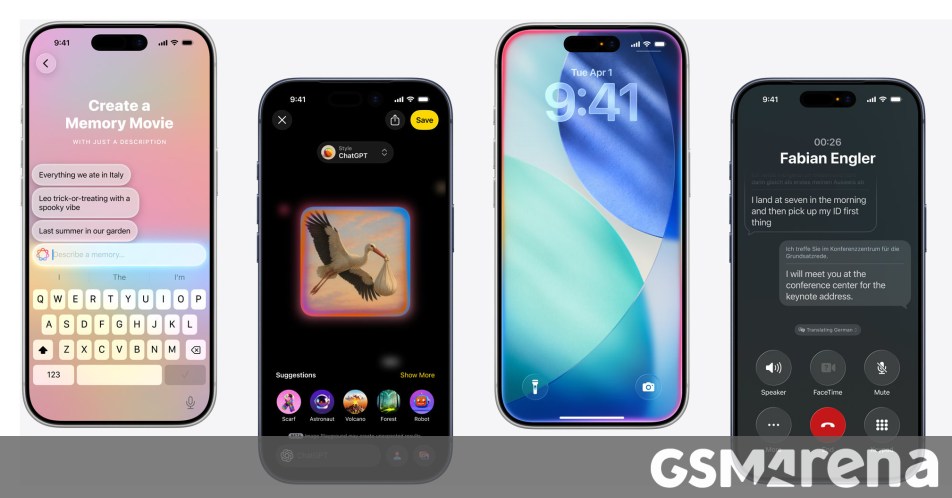
Apple will pay $250 million to settle claims that Siri AI features were oversold or misrepresented on iPhones.
Apple
from24/7 Wall St.
3 weeks agoApple at $284: Buy, Sell or Hold?
Apple shows strong growth momentum and capital returns, but valuation and near-term technical and insider signals suggest patience may be warranted.

from24/7 Wall St.
2 weeks agoEvercore ISI Hikes Apple Price Target to $365: Bull Case Now $500 on Services Compounding
Evercore ISI raised its price target on Apple ( NASDAQ:AAPL | AAPL Price Prediction) to $365 from $330 while reiterating its Outperform rating, and the firm flagged a bull case scenario of $500 tied to a Services compounding thesis. Apple stock trades near $299, just below its 52-week high of $300.92.
Apple
Apple
fromYanko Design - Modern Industrial Design News
2 weeks agoRemember When Rose Gold Took Over Everything? Apple Is Trying That Again With Dark Cherry - Yanko Design
Rose Gold’s sales-driven color strategy is being repeated with iPhone 18 Pro’s Dark Cherry, paired with a 48MP variable-aperture camera upgrade.
European startups
fromwww.theguardian.com
2 weeks agoTrump heads to China to spread the gospel of American tech while emulating Xi Jinping on AI
Trump’s China trip includes major technology leaders to support high-stakes negotiations, especially around semiconductors and AI, while China’s stricter AI rules shape the agenda.
#airpods
Apple
fromConsequence
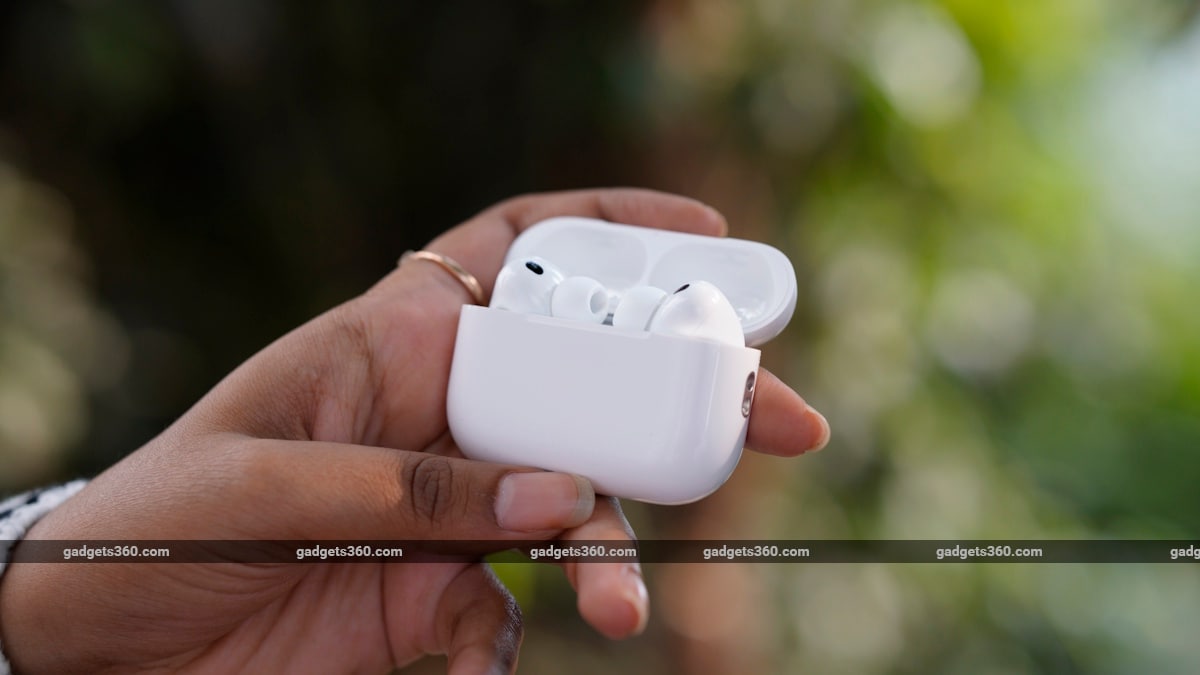
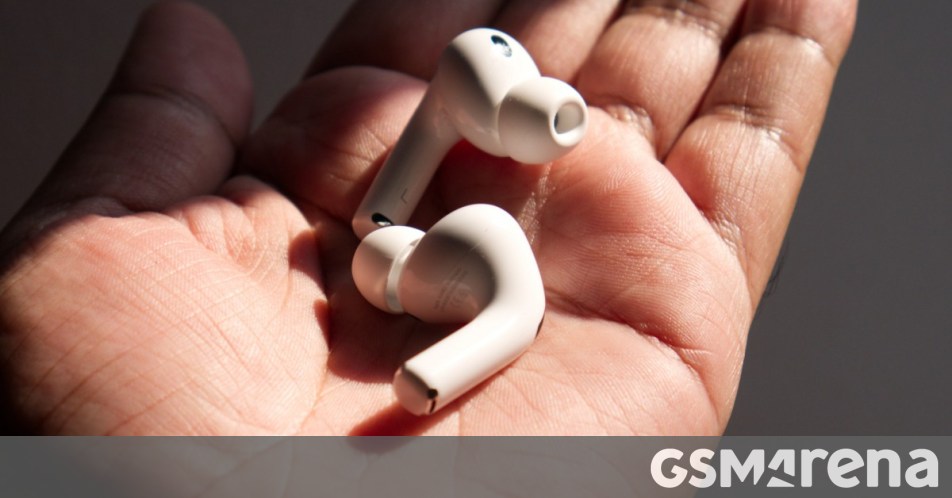
3 weeks agoNew AirPods to Feature Cameras for AI-Powered Visual Intelligence: Report
AirPods will add low-resolution cameras to feed visual context to Siri, enabling environment-aware assistance while using an LED for cloud visual-data privacy.

fromEntrepreneur
3 weeks agoApple In Talks With Intel and Samsung to Build Chips in the US -Here's Why
Apple has depended on Taiwan-based TSMC to build the chips that power iPhones and Macs for over 10 years. CEO Tim Cook stated that chip shortages are constraining growth for products like the Mac mini and iPhone 17 Pro, indicating a need for more flexibility in the supply chain.
Apple
fromGSMArena.com
3 weeks agoApple is looking to diversify its chip production with Intel and Samsung
Apple's long-standing partnership with Intel has shifted as the company now relies solely on TSMC for chip supply. However, recent supply chain disruptions have prompted Apple to reconsider this strategy.
Apple
[ Load more ]